
Crested Butte, Colorado: America's Alpine Garden
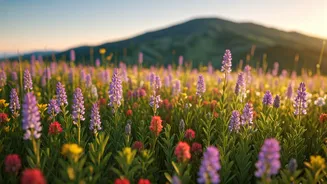
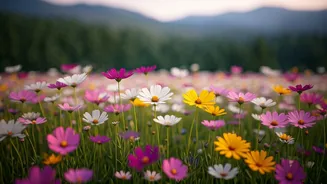
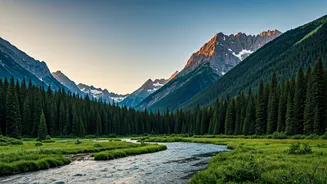
When much of the country is baking under the July sun, Crested Butte is just hitting its stride. Known as the "Wildflower Capital of Colorado," this high-altitude haven (sitting at 8,900 feet) offers a spectacular alternative to sweaty summer travel.
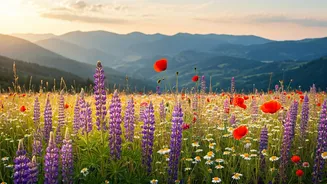
From late June through early August, its mountain meadows explode with a riot of color from Indian paintbrush, lupine, and columbine. Average July temperatures hover in the comfortable low 70s, perfect for hiking or biking through the floral carpets of the Elk Mountains. The town hosts an annual Wildflower Festival in July, offering guided hikes, photography workshops, and botany classes. It’s the ideal escape for travelers who want their summer adventure served with a side of alpine air and jaw-dropping natural beauty.
The Blue Ridge Parkway: Blooms at Elevation
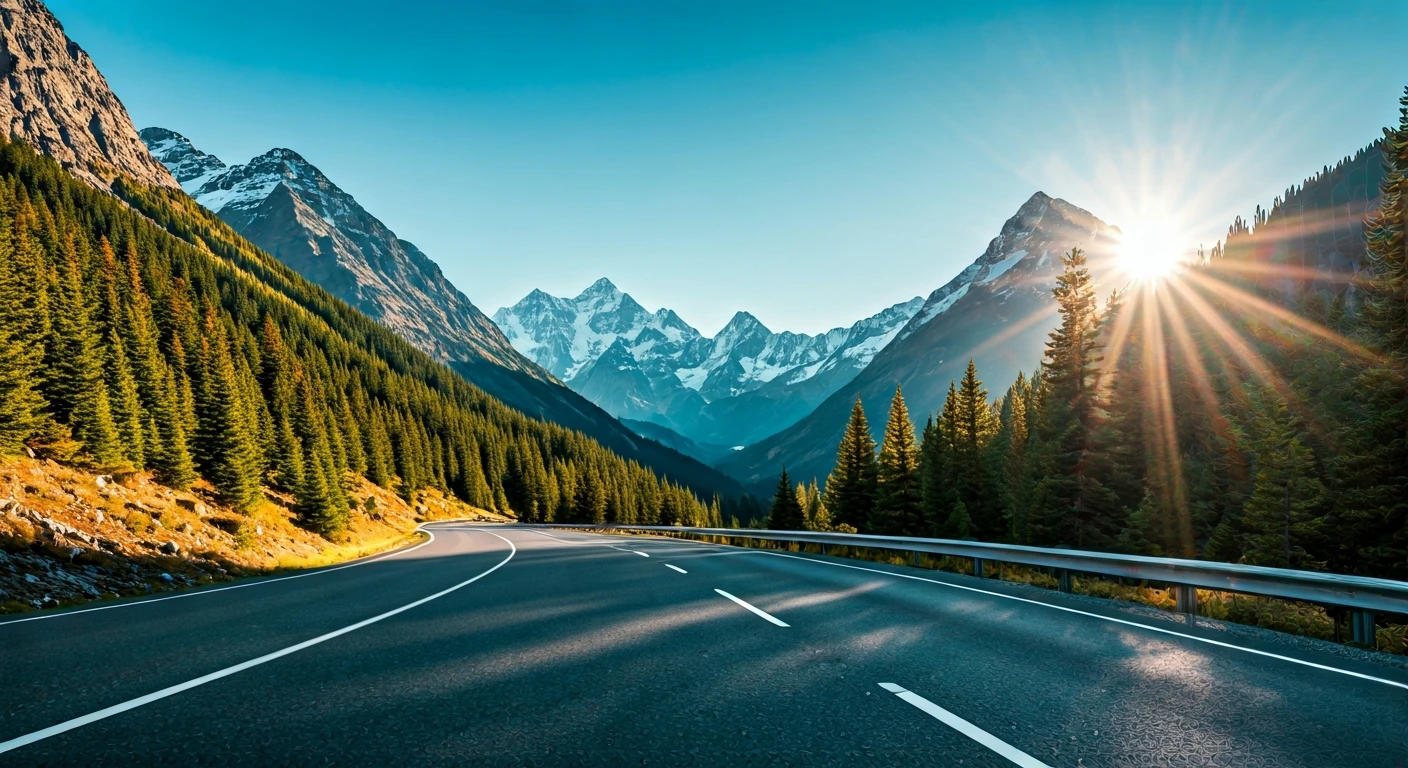
The secret to beating the heat while chasing flowers in the Southeast is to go up. The Blue Ridge Parkway, which winds through the Appalachian Highlands of Virginia and North Carolina, provides a masterclass in elevation-based climate relief. While the valleys below get sticky and hot, the parkway’s higher sections remain cool and breezy. In late May and June, the route becomes a tunnel of purple and pink as native rhododendrons and flame azaleas reach their peak. Craggy Gardens, just north of Asheville, is a must-see, with its dense thickets of Catawba rhododendrons creating a surreal, otherworldly landscape. With temperatures often 10-15 degrees cooler than in nearby cities, it’s a refreshing road trip that trades oppressive humidity for mountain vistas and floral grandeur.
California's Central Coast: The Early Bird Bloom
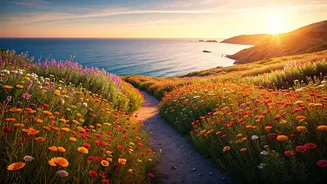
California's wildflower "superblooms" are legendary, but they can also come with scorching inland temperatures. The solution is to aim for the coast and go early. From March to early May, the state’s Central Coast, from Monterey Bay down to San Luis Obispo, offers a gentler floral experience. Coastal fog and ocean breezes keep temperatures mild, often in the 60s, while the hillsides come alive. State parks like Garrapata and Montaña de Oro showcase brilliant displays of golden poppies, purple lupine, and yellow mustard flowers against a dramatic Pacific backdrop. By visiting in spring, you not only catch the blooms at their best but also avoid the summer heat waves and the biggest tourist crowds, making for a much more pleasant and picturesque journey.
The Oregon Coast: A Cool, Rugged Bouquet
If you truly want to escape the heat, head to the Oregon coast. Here, even in late spring and early summer, you’ll want to pack a light jacket. From May through June, this famously dramatic coastline puts on a surprisingly delicate show. The star is the Pacific rhododendron, Oregon’s state flower, which erupts in massive pink and purple clusters in coastal forests and parks like Shore Acres State Park near Coos Bay. Further south, the Samuel H. Boardman Scenic Corridor is home to wild iris and other coastal wildflowers. With average highs rarely climbing out of the 60s, you can comfortably explore tide pools, hike cliffside trails, and enjoy the floral display without breaking a sweat. It's the perfect pairing of rugged nature and vibrant color.
Mackinac Island, Michigan: A Lilac-Scented Breeze
For a truly unique and temperate floral escape, look to Michigan’s Mackinac Island. This car-free island in the Straits of Mackinac is famous for its Victorian charm and, for a few weeks in June, its incredible lilacs. The island’s annual Lilac Festival celebrates the peak bloom of hundreds of historic lilac bushes, some of which are over a century old. The cool breezes coming off Lake Huron keep the air crisp and refreshing, with daytime highs typically in the mid-60s. Visitors can explore the fragrant blooms by foot, bicycle, or horse-drawn carriage. It’s a step back in time to a slower, sweeter, and significantly cooler version of summer.