




The Appeal of an Anti-Beach Honeymoon
For decades, the global ideal of a honeymoon has been remarkably consistent: find a sunny beach and relax. But a growing number of newlyweds in India are rewriting that script. Instead of fleeing the rain, they’re running toward it. Travel industry reports
and search data show a significant uptick in queries for “monsoon getaways” and “monsoon honeymoon packages,” particularly from June to September. This isn't just about accepting less-than-ideal weather; it's about actively seeking the unique atmosphere that only the Indian monsoon can provide. It represents a pivot from a purely weather-dependent vacation to one that prioritizes mood, intimacy, and a deeper connection with the landscape.
When the Rain Is the Main Attraction
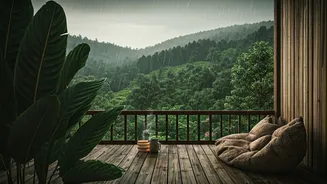
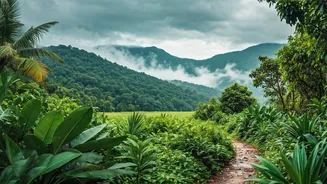
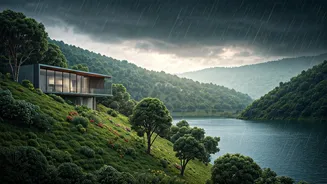
So, what’s the appeal of celebrating a new marriage under stormy skies? In a word: romance. After the scorching heat of the Indian summer, the monsoon brings profound relief and transforms the subcontinent. The air cools, dust settles, and a vibrant, almost electric green blanket covers the countryside. The smell of the first rain hitting dry earth—an aroma so beloved it has a name, *petrichor*—is a national obsession. For honeymooners, this translates into an incredibly romantic backdrop. Imagine being curled up in a luxury hotel room, sipping a hot cup of chai, and watching dramatic sheets of rain fall over a lush valley or a historic lake palace. The monsoon forces a slower, more intimate pace of travel, encouraging couples to focus on each other rather than a packed itinerary of outdoor activities.
Lush Landscapes and Iconic Destinations
This trend isn't happening just anywhere; specific destinations have become hotspots for monsoon romance. In Kerala, known as “God’s Own Country,” the famous backwaters become even more mystical, with houseboats gliding through misty, rain-drenched canals. Goa, typically known for its high-energy beach parties, reveals a quieter, more poetic side. The beaches are empty, the shacks are closed, and the state’s Portuguese-style villas are draped in verdant foliage, offering a peaceful, green sanctuary. Further north, in Rajasthan, cities like Udaipur take on a new life. Seeing the magnificent City Palace or Jag Mandir from across a rain-stippled Lake Pichola is an experience far removed from the crush of peak tourist season. These destinations offer a completely different, and arguably more profound, version of themselves during the rains.
The Practical Perks: Fewer Crowds, Lower Costs
Beyond the atmospheric charm, there are compelling practical reasons driving this trend. The monsoon season is traditionally India’s travel off-season. For couples, this means significant benefits. The crowds that throng popular sites during the winter months are gone, providing a rare sense of privacy and tranquility. You’re not jostling for the perfect photo or waiting in long lines. This scarcity of tourists also translates into major savings. Five-star hotels and luxury resorts that are prohibitively expensive in December become surprisingly accessible. Airlines and hotels offer steep discounts and special “monsoon packages” that often include meals, spa treatments, and other perks. For a young couple starting their lives together, it’s a financially savvy way to experience world-class luxury without breaking the bank.