


1. The Breathable Rain Shell
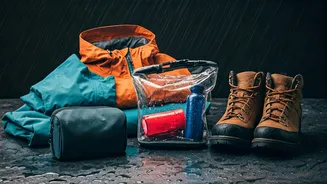
Forget the cheap plastic poncho you grab at a theme park. In the high humidity of a monsoon climate, a non-breathable jacket will leave you just as soaked from sweat as you would be from the rain. Your single most important investment is a lightweight,
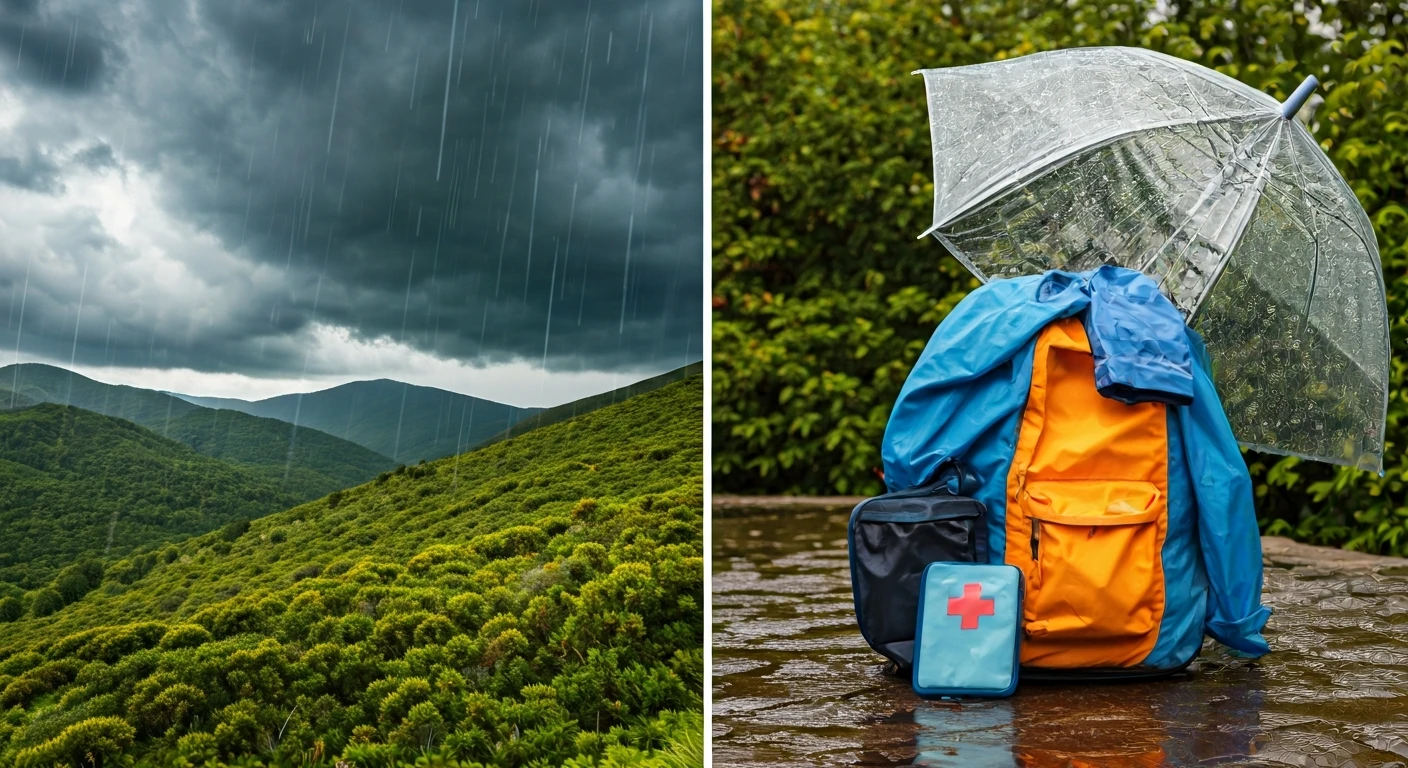
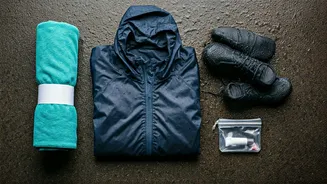
packable, and—crucially—breathable rain shell. Look for jackets made with technologies like Gore-Tex Paclite or similar proprietary fabrics that block water from getting in but allow vapor from your body to escape. Key features to seek are taped seams, an adjustable hood that moves with your head, and pit zips for extra ventilation during a humid downpour. This piece is your shield, allowing you to explore during a drizzle instead of being confined to your hotel.
2. Quick-Drying Clothing Is Non-Negotiable
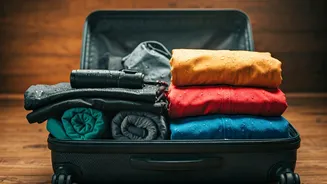
When nothing air-dries, fabric choice becomes paramount. The number one rule of monsoon travel is to leave your cotton clothes at home. Cotton absorbs moisture, takes forever to dry, and becomes heavy and uncomfortable when wet. Instead, build your travel wardrobe around quick-drying synthetic fabrics (like polyester and nylon) or merino wool. Merino wool is a traveler's miracle fabric: it wicks moisture, regulates temperature, resists odor for days, and dries remarkably fast. Pack a few pairs of merino or synthetic socks, underwear, and t-shirts. You can wash them in a hotel sink at night and have them be dry (or at least wearable) by morning.
3. Rethink Your Footwear
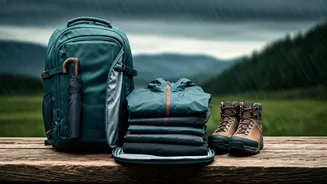
Heavy, waterproof hiking boots might seem like the logical choice, but they can be a trap. Once water gets over the top—and in a deluge, it will—they become waterlogged buckets that can take days to dry and lead to blisters. A better strategy is to embrace the wet with footwear designed to handle it. High-quality waterproof sport sandals with good traction (think brands like Keen or Chaco) are ideal. They protect your toes, provide support, and dry quickly. Alternatively, lightweight, non-waterproof trail running shoes with mesh uppers will drain instantly and dry much faster than their waterproof counterparts.
4. The Indispensable Dry Bag
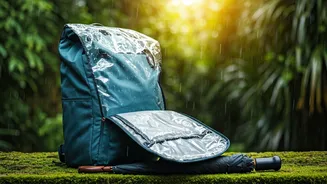
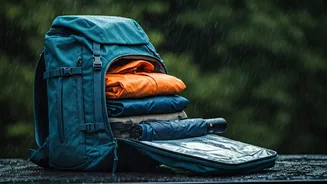
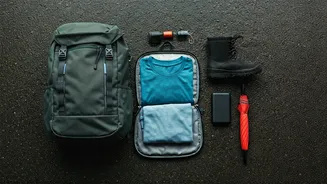
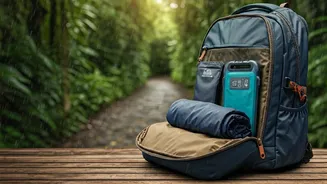
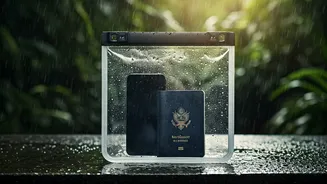
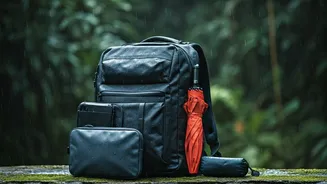
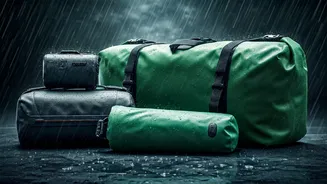
This might be the most valuable, least expensive piece of gear you can bring. A simple, roll-top dry bag is your fail-safe for protecting your most important items. Use a small one (2-5 liters) inside your main daypack for your passport, phone, and wallet. A larger one (10-15 liters) can hold a spare set of dry clothes and your camera. Even if your backpack claims to be “water-resistant,” a prolonged downpour will eventually find a way in. A dry bag offers true peace of mind, ensuring you have a dry shirt and a working phone when you finally reach your destination.
5. A Packable Microfiber Towel
A standard hotel towel is bulky and, like its cotton cousins, takes an eternity to dry in humid air. A packable microfiber travel towel is a multi-purpose essential. It’s super-absorbent, wrings out to be almost completely dry, and packs down to the size of a fist. You can use it to dry off after getting caught in a sudden storm, wipe down a wet bench, or even for an impromptu swim in a waterfall that’s flowing at full force thanks to the seasonal rains. It’s a small item that punches far above its weight in utility.
6. Health and Comfort Essentials
Damp environments require a few extra considerations for your health and comfort. First, humidity and wet clothing can cause chafing; a stick of anti-chafe balm is a lifesaver. Second, standing water means more mosquitoes, so a reliable insect repellent containing DEET or Picaridin is essential for preventing bites and the diseases they can carry. Finally, pack a small first-aid kit with extra antiseptic wipes and waterproof bandages. Small cuts and scrapes can get infected more easily in a constantly damp environment, so keeping them clean and covered is more important than ever.