




So, What Are Microgreens, Anyway?
Let’s clear this up first: microgreens are not sprouts. Sprouts are germinated seeds, eaten root, seed, and shoot, often grown in water. Microgreens are the next stage of a plant’s life. They are tiny, tender versions of vegetables and herbs, harvested
just after the first true leaves have developed. Think of them as plant toddlers, packing all the genetic and nutritional potential of a full-grown plant into a compact, flavorful package. A single radish microgreen tastes more like a radish than a full-grown radish. A pinch of broccoli microgreens can contain many times the nutrients of a full head of broccoli. They are, in short, flavor and nutrition concentrate, prized by chefs for their ability to add a burst of freshness and a visual pop to any dish.
The Glow-Up: Why LEDs Changed Everything
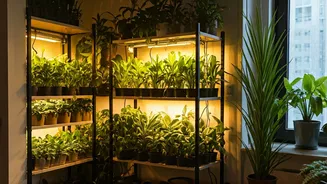
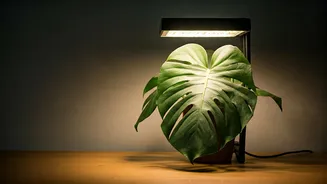
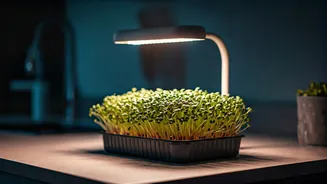
For decades, the dream of a kitchen herb garden was reserved for those with a perfect, south-facing window and a green thumb. The rest of us were left with sad, leggy basil plants stretching desperately toward the nearest light source. Enter the LED. Modern grow lights have democratized indoor gardening. These aren't the clunky, hot, energy-guzzling lamps of the past. Today’s LEDs are sleek, efficient, and specifically tuned to provide the red and blue light spectrums that plants crave for photosynthesis. This technology means you can grow robust, healthy greens anywhere—a dark corner of your kitchen, a bookshelf in your living room, or a dedicated cabinet. The consistent, optimized light makes the process nearly foolproof. It turns gardening from a game of chance into a predictable, repeatable science, making it accessible to even the most notorious plant-killers.
The Anatomy of the Flex
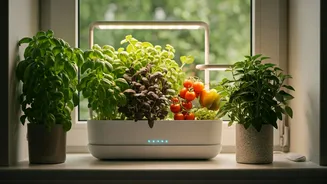
Why has this specific combination of tiny plants and tech become such a flex? Because it communicates several desirable traits at once. First, it signals culinary sophistication. Having fresh microgreens on hand to snip over your avocado toast or seared scallops says you care about flavor, presentation, and quality ingredients. Second, it’s a wellness statement. In a world obsessed with health, a living garden on your counter is a vibrant symbol of your commitment to nutritious, clean eating. Third, it’s a design move. The best microgreen setups are beautiful objects in their own right, blending natural greenery with minimalist tech aesthetics. The gentle, futuristic purple or white glow of the LEDs adds a unique ambiance to a room. Finally, it’s a subtle nod to self-sufficiency and sustainability. In a small way, you’re controlling your food source, reducing food miles, and eliminating plastic packaging. It’s a quiet luxury that speaks volumes.
Getting Your Own Green Grid
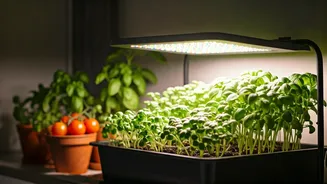
The beauty of this trend is its scalability. You don't need to renovate your kitchen to join in. The entry point can be as simple as a small tray, a packet of seeds (spicy radish, nutty sunflower, and sweet pea shoots are great for beginners), and a basic, clip-on LED grow light from Amazon. This DIY approach lets you get a feel for the process with minimal investment. For those ready to commit to the aesthetic, a whole ecosystem of all-in-one systems has emerged. Companies like Hamama offer pre-seeded “quilts” that you just add water to, while brands like Click & Grow and Gardyn offer smart, self-watering gardens that look like modern sculptures. These systems manage the lighting and watering schedules for you, making the process as simple as making coffee. You choose the level of involvement you want, from hands-on hobbyist to set-it-and-forget-it gourmand.