


The Appeal of a Living Classic
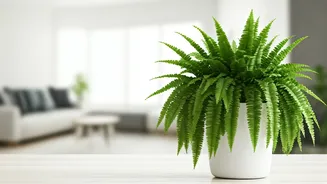
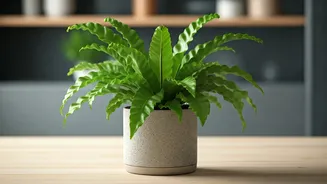
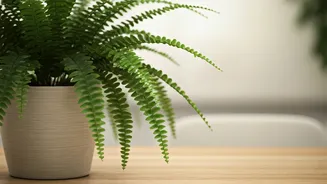
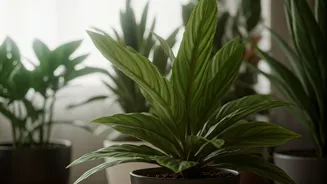
The Boston Fern, or *Nephrolepis exaltata*, is a staple of American homes for a reason. Its long, graceful fronds arch and weep, creating a lush, jungle-like effect that can soften the hard edges of any room. Placed in a hanging basket, its feathery leaves
create a living chandelier. Set atop a bookshelf, it cascades down like a green waterfall. This visual softness is what designers mean when they talk about adding 'life' to a space. Beyond its aesthetics, the Boston Fern is also a workhorse. It's known for being one of the more effective houseplants at filtering common airborne pollutants, contributing to a fresher, cleaner feel in your home. For the style-conscious pet owner, it’s a plant that doesn’t require a compromise between a chic interior and a happy, healthy animal.
Certified Safe for Curious Cats
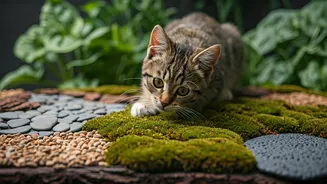
Here is the peace of mind every pet parent craves: The American Society for the Prevention of Cruelty to Animals (ASPCA) officially lists the Boston Fern as non-toxic to cats, dogs, and horses. This means that if your curious kitten decides to bat at, chew on, or even ingest a piece of a frond, you don’t have to panic about a poisoning emergency. The plant does not contain substances that are toxic to their systems. However, it's important to frame this correctly. 'Non-toxic' does not mean 'edible.' Any plant, if eaten in large enough quantities, can cause mild gastrointestinal upset like vomiting or diarrhea simply because a cat's digestive system isn't designed to process a large volume of plant fiber. The primary danger of toxic plants is poisoning; with a Boston Fern, the main risk is a mild tummy ache and a mess to clean up.
Creating the Perfect Fern Habitat
Boston Ferns are famously dramatic when their needs aren't met, but keeping them happy is straightforward once you understand what they love: consistency and humidity. Think of a shady, damp forest floor. Your fern wants bright, indirect light—direct sun will scorch its delicate fronds. A spot near a north-facing window or a few feet back from a sunny east-facing window is often perfect. They are thirsty plants that prefer their soil to be consistently moist but not waterlogged. Check the soil every few days; if the top inch feels dry, it's time to water. The biggest challenge for many fern owners is humidity. Our modern homes are often too dry, especially in winter. You can combat this by misting your fern every day or two, placing it on a pebble tray filled with water, or running a humidifier nearby. Grouping it with other plants also helps create a more humid microclimate.
Managing Your Furry Gardener
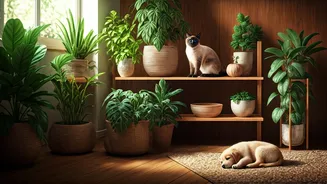
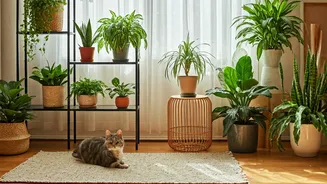
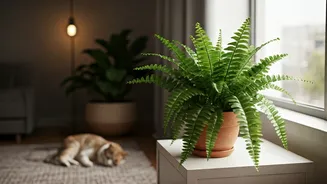
Even though a Boston Fern is safe, you probably don’t want your kitten turning it into a personal salad bar or jungle gym. A happy fern is a full fern, and you can take a few simple steps to manage the cat-plant relationship. The best defense is placement. Using a hanging basket keeps the cascading fronds beautifully on display while lifting them out of easy reach of a playful kitten. If you prefer a pot, placing it on a high, stable shelf or plant stand can also work. For the most determined cats, a little gentle deterrence may be necessary. Cats dislike the scent of citrus, so placing a few orange or lemon peels on the soil can be an effective, natural repellent. Ultimately, providing your cat with more appealing toys and scratching surfaces will make your fern seem far less interesting. A bored cat is a mischievous cat, so enrichment is key to a harmonious home for all its inhabitants—plant and animal alike.