








First, What Are HFSS Regulations?
HFSS stands for foods that are “High in Fat, Sugar, and Salt.” Think potato chips, soda, cookies, and most of the processed snacks that line supermarket shelves. For years, public health officials worldwide have linked the rising consumption of these
products to crises in obesity, type 2 diabetes, and heart disease. India’s new regulations are a sweeping attempt by its top food safety body, the Food Safety and Standards Authority of India (FSSAI), to tackle this problem head-on. The core idea is simple: make it much easier for consumers to identify unhealthy products and, by doing so, nudge both shoppers and manufacturers toward healthier choices. This isn't just about providing more information on the back of the package; it's about putting a clear, unavoidable health verdict right on the front.
The Big Change: Front-of-Pack Star Ratings
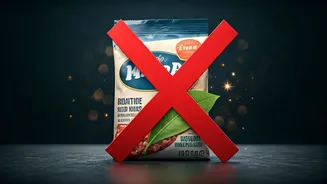
The centerpiece of the proposed regulations is the “Indian Nutrition Rating” (INR), a mandatory front-of-pack labeling (FOPL) system. Imagine picking up a bag of chips or a candy bar and seeing a prominent star rating on the label, from half a star (least healthy) to five stars (healthiest). That's the INR system in a nutshell. The rating would be calculated based on the product’s overall energy density and the quantity of negative nutrients like saturated fat, sugar, and sodium. The more unhealthy ingredients a product contains, the fewer stars it gets. Foods and beverages deemed “unhealthiest” would display a clear warning: “High in Fat, Sugar, and Salt.” This moves crucial health information from the fine print on the back to a simple, visual grade on the front, a change designed to cut through marketing jargon and empower consumers to make snap decisions in the grocery aisle.
Why Is This Happening Now?
India is facing a silent epidemic of lifestyle diseases. Once considered problems of the Western world, obesity and diabetes rates are surging across the country, particularly in urban areas. A 2023 study published in The Lancet revealed that India is home to over 101 million people with diabetes and 136 million who are pre-diabetic. This public health crisis is increasingly linked to a shift in dietary habits, with traditional, home-cooked meals being replaced by convenient, inexpensive, and heavily marketed processed foods. The Indian government sees these HFSS regulations not just as a consumer-rights issue but as an urgent economic and public health imperative. By forcing the food industry to be more transparent, the FSSAI hopes to slow this trend before the nation's healthcare system is completely overwhelmed.
Who Gets Hit the Hardest?
The regulations will send shockwaves through India’s multi-billion-dollar packaged food industry, a market where many of the key players are American and European multinational corporations. Companies like PepsiCo (which owns Lays chips and the popular Indian snack Kurkure), Coca-Cola, Nestlé (maker of Maggi noodles), and Mondelez (owner of Cadbury chocolate) dominate the landscape. These giants have invested heavily in tailoring their products to Indian tastes, often resulting in snacks and drinks with high levels of salt and sugar. Under the new rules, many of their flagship products could receive low star ratings or be forced to carry a warning label. Industry groups have pushed back, arguing that the system is overly simplistic and could unfairly penalize certain food categories. They also cite the enormous cost of reformulating potentially thousands of products to earn a better health rating, a process that could alter the tastes consumers have come to love and expect.
A Global Playbook for Public Health?
India is not the first country to take this path, but its sheer scale makes its actions globally significant. Similar front-of-pack labeling systems have been implemented with notable success elsewhere. Chile, for instance, introduced stark black-and-white warning labels shaped like stop signs on unhealthy products, a move credited with a significant drop in sugary drink purchases. The United Kingdom uses a “traffic light” system that colors nutrients red, amber, or green. As the U.S. Food and Drug Administration (FDA) continues its own slow-moving exploration of a national front-of-pack labeling strategy, India’s experience will be closely watched. If the star-rating system proves effective in a market of 1.4 billion people, it could provide a powerful new model for how governments can use regulation to influence public health and hold the global food industry accountable.