



1. Welcome to India’s Coffee Country
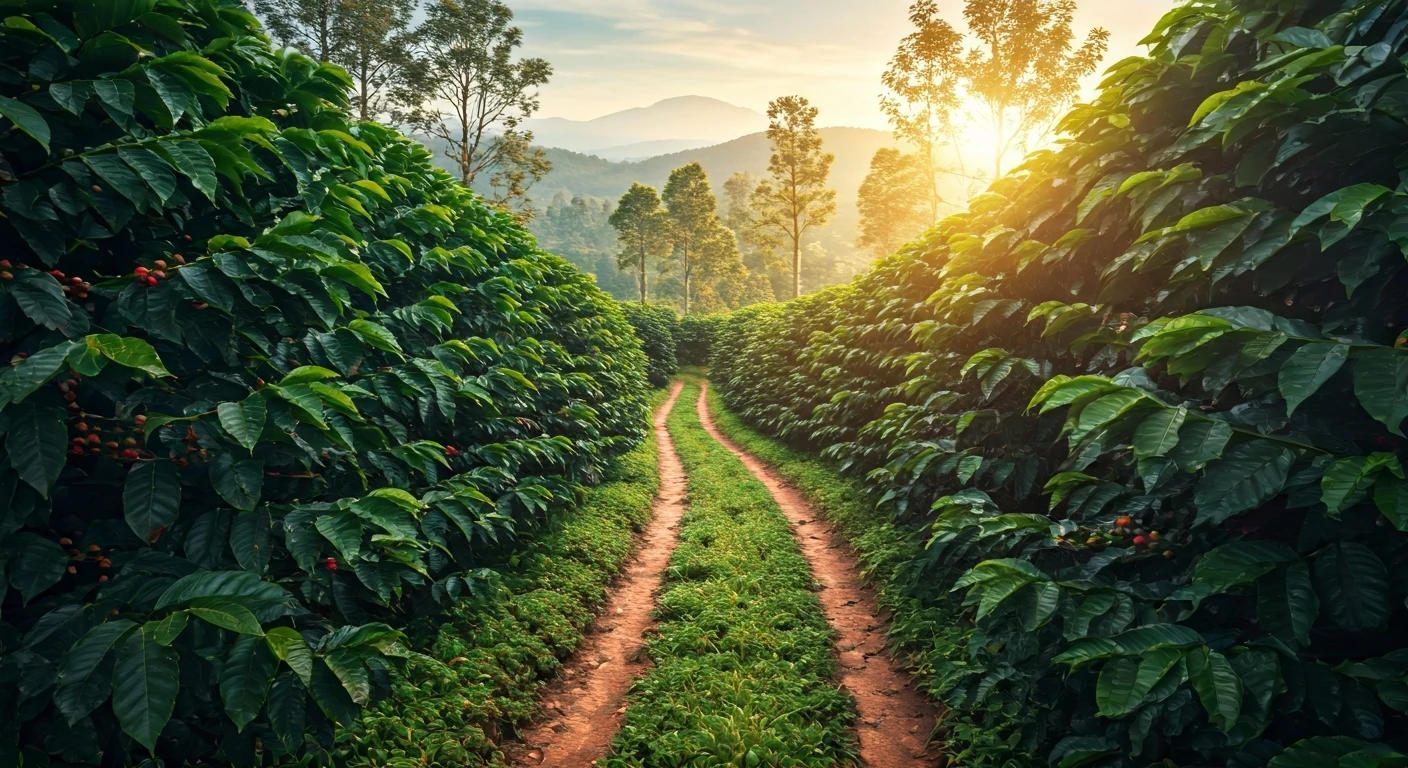
Before you even see it, you can smell it: the rich, earthy aroma of roasting coffee beans. The districts of Coorg (Kodagu) and Chikmagalur, nestled in the hills of Karnataka, form the heart of India's coffee production. This isn't your average Starbucks
run. Here, lush plantations stretch as far as the eye can see, clinging to the mountainsides under a canopy of shade trees. Visitors can ditch sterile hotels for charming 'homestays'—often on working coffee estates—where you wake up to birdsong and the promise of a perfectly brewed cup. Tours take you through the entire process, from picking the red coffee cherries to the final roasting. It’s a sensory experience that combines agriculture, history, and a deep appreciation for one of the world's favorite beverages, all set against a backdrop of mist-shrouded hills.
2. A True Biodiversity Hotspot
The Western Ghats are not just pretty; they are globally significant. Recognized as a UNESCO World Heritage Site, this mountain chain is one of the world’s eight “hottest hotspots” of biological diversity. The forests within Karnataka are home to an incredible array of life you won't find anywhere else. Imagine trekking through dense shola forests and spotting a Malabar giant squirrel, a creature so colorful it looks like it escaped from a cartoon. Look up, and you might see the majestic great hornbill, or hear the distinct call of the lion-tailed macaque, an endangered primate with a stunning silver-white mane. National parks like Bandipur and Nagarhole (part of the Nilgiri Biosphere Reserve) offer jeep safaris where tigers, leopards, and wild elephants still roam, making this a legitimate alternative to more famous safari destinations.
3. Chasing India's Most Spectacular Waterfalls
During and after the monsoon season (roughly June to October), the Western Ghats transform into a world of rushing water. The landscape, already a vibrant green, becomes laced with thousands of temporary cascades. The crown jewel of this spectacle is Jog Falls. Here, the Sharavathi River plunges a staggering 830 feet in four distinct torrents named Raja, Rani, Roarer, and Rocket. It’s not a gentle cascade but a thunderous display of nature's power. Beyond this famous site, the region is dotted with countless other falls, many requiring a short, rewarding hike to reach. Places like Abbey Falls in Coorg or Hebbe Falls in Chikmagalur offer picture-perfect scenes, with water gushing over rocks into cool, clear pools, providing a refreshing reward for adventurous travelers.
4. The Land of Mist and Monsoon Treks
For hikers and trekkers, the Western Ghats present a paradise of trails. The region around Agumbe, often called the “Cherrapunji of the South” for its heavy rainfall, offers some of the most atmospheric landscapes imaginable. Picture yourself hiking on a narrow ridge with clouds swirling below your feet. The trails range from gentle walks through spice plantations (cardamom, pepper, and cloves grow in abundance here) to challenging multi-day treks to peaks like Kudremukh or Mullayanagiri, the highest peak in Karnataka. The monsoon adds another layer of adventure, turning the forests into a mossy, ethereal wonderland. It’s a chance to experience the mountains in their most raw and dramatic state, a far cry from the manicured paths of more developed tourist zones.
5. A Deep Dive into Culture and Serenity
The appeal of Karnataka's Ghats goes beyond nature. This is a region steeped in history and spirituality. Tucked away in the dense forests are ancient temples, serene monasteries, and the unique culture of the Kodava people in Coorg, known for their martial traditions and distinct customs. You can visit the 12th-century Hoysaleswara Temple in Halebidu at the foothills, a masterpiece of stone carving, or find tranquility at the Namdroling Monastery in Bylakuppe, one of the largest Tibetan settlements outside of Tibet. This blend of nature and culture provides a more holistic travel experience. It’s a place where you can spend your morning watching for rare birds and your afternoon exploring a centuries-old sacred site, all before settling in for a home-cooked meal that tells the story of the land itself.