




What 'Mindful' Means in India
In the United States, 'mindful' often conjures images of yoga retreats and meditation apps. But in the context of Indian home design, the term signifies a much deeper, more holistic philosophy. This isn't just about decluttering à la Marie Kondo; it's
a conscious return to principles that prioritize well-being, sustainability, and connection. This emerging trend, which experts forecast will become mainstream by 2026, blends ancient architectural wisdom with a modern desire for tranquility. It draws heavily from Vastu Shastra, a traditional Hindu system of architecture that's like a more intricate, spiritual cousin to Feng Shui. Vastu dictates layout, spatial geometry, and material choices to harmonize the home with natural forces, promoting health, happiness, and prosperity for its inhabitants.
The Look: Earth, Craft, and Light
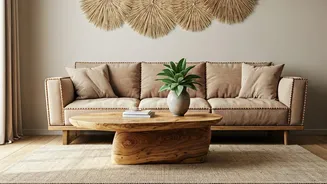
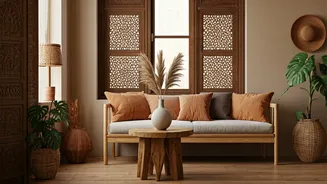
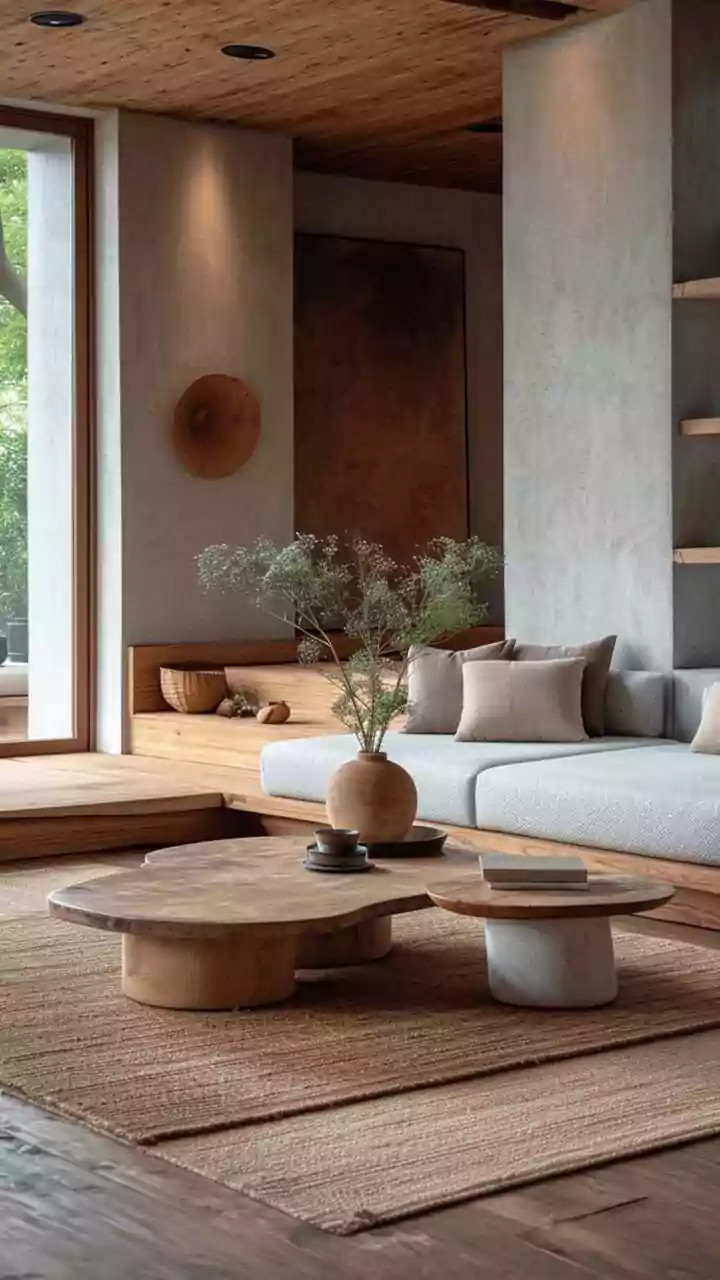
So, what does a mindful Indian home actually look like? Forget sterile white boxes. This aesthetic is warm, textured, and deeply connected to the earth. Think walls plastered with traditional lime wash or muted, earthy tones inspired by terracotta and spices. Floors might be polished concrete, locally sourced stone, or reclaimed wood. Natural materials are paramount: furniture made from sustainable teak, sheesham, or bamboo; textiles in handwoven cotton, jute, and khadi; and decorative elements crafted from brass, copper, and clay. Light and air are treated as precious commodities. Traditional elements like the 'jaali' (intricately perforated screens) are being revived to filter sunlight beautifully while providing ventilation and privacy. Central courtyards, once a staple of Indian homes, are also making a comeback, creating a private, green oasis that connects the family with nature.
Why Now? The Drivers of Change
This movement isn't happening in a vacuum. It's a direct response to the rapid, often chaotic urbanization sweeping across India. As cities become more crowded and lives more hectic, the home is being reclaimed as a sanctuary—a place to disconnect from the noise and reconnect with oneself and family. The global pandemic accelerated this shift, forcing a worldwide re-evaluation of how we live. For many in India's growing middle and upper classes, it also sparked a renewed appreciation for indigenous craftsmanship and heritage. After decades of looking to the West for design cues, there is a burgeoning pride in 'Made in India.' Choosing a hand-carved cabinet or a block-printed textile is not just a style choice; it's a vote for local artisans and sustainable practices over mass-produced imports.
Beyond Decor: A Philosophy for Living
Ultimately, the mindful home trend is about fostering a different way of life. It’s about creating flexible, multi-functional spaces that serve the real needs of a family rather than conforming to rigid, formal layouts. A living room might also be a space for morning yoga; a wide veranda can double as a work-from-home office and an evening gathering spot. The design encourages interaction and shared experiences. Low-seating arrangements, for example, promote more informal, grounded conversations. The focus shifts from impressing guests to nurturing the well-being of the residents. It’s an intentional rebellion against the culture of consumerism, favoring fewer, better things that have personal meaning and are built to last.
What We Can Learn From This Trend
While rooted in Indian culture, the principles of this movement are universal. American homeowners are already embracing parallel concepts like biophilic design (bringing nature indoors) and the 'Japandi' aesthetic (a blend of Japanese and Scandinavian minimalism). The Indian approach offers a unique and soulful layer to these ideas. It reminds us that a home can be more than just a collection of stylish objects; it can be a vessel for tradition, a celebration of craftsmanship, and a tool for a more centered life. It challenges us to look beyond fleeting trends and consider how our spaces can genuinely support our mental and emotional health, connecting us to our environment and to each other.