


The War on the Food Coma
The number one reason heavy lunches are on the outs? The dreaded 2 p.m. slump. In an era of back-to-back Zoom calls and hybrid work schedules, the post-lunch energy crash, technically known as postprandial somnolence, is a productivity killer we can no longer
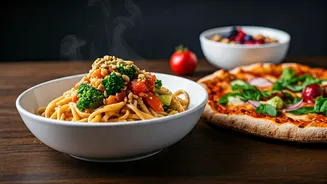
afford. A heavy meal rich in carbohydrates and fats diverts significant blood flow and energy to the digestive system, triggering a surge of insulin that can leave you feeling foggy and ready for a nap. But today’s professionals are opting out. Whether you’re working from home and want to enjoy a clear-headed afternoon or you’re back in the office and need to stay sharp for a late-day presentation, the choice is clear. The stodgy burger-and-fries combo or the heaping plate of pasta has been replaced by a desire for sustained energy. Workers are realizing that what they eat for lunch directly impacts their performance, mood, and ability to close out the day strong. The new power move isn’t a three-martini lunch; it's a grain bowl that keeps you firing on all cylinders until five o'clock.
Summer's Natural Mandate
Our bodies are smarter than we give them credit for. When the temperature soars and the humidity climbs, our internal thermostats work overtime to keep us cool. Digestion itself is a heat-producing process, so consuming a dense, complex meal forces your body to generate even more internal heat, making you feel hotter and more lethargic. This physiological reality aligns perfectly with the seasonal bounty of summer. It’s the time of year when produce is at its peak: ripe tomatoes, crisp cucumbers, sweet corn, juicy berries, and leafy greens are abundant and affordable. Our cravings naturally shift toward these hydrating, refreshing foods. A cold soba noodle salad, a watermelon and feta medley, or a piece of grilled fish with a simple green salad isn't just a diet choice; it’s an instinctual response to the environment. The body wants what it needs to stay cool and energized, and in July, that isn't a pot roast.
The Rise of the 'Snackified' Meal
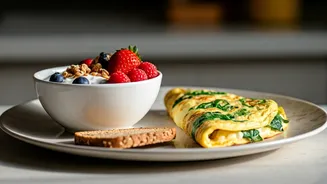
The formal structure of the three-meals-a-day doctrine is crumbling, and lunch is at the epicenter of the disruption. Viral trends like “girl dinner”—a curated plate of snacks like cheese, crackers, fruit, and olives—aren't just a social media fad; they represent a larger cultural shift toward less formal, more flexible eating. This approach celebrates low-effort, high-satisfaction meals that don't require turning on a stove. This summer, that ethos has gone mainstream. Lunch is becoming less of a singular, heavy event and more of a grazing opportunity. Think of it as intentional snackification: a high-protein yogurt with granola, a sophisticated dip like baba ghanoush with a side of crunchy crudités, or a simple avocado toast. These mini-meals are quick, require zero recovery time, and align with a modern wellness mindset that prioritizes mindful portions and nutrient density over sheer volume.
Meet the New Lunchtime Champions
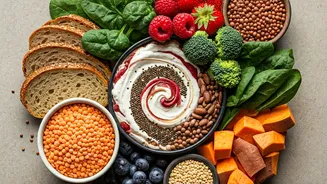
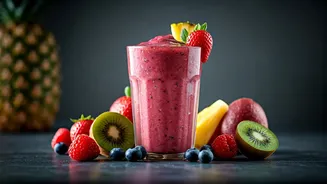
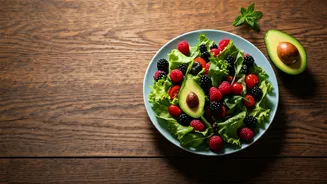
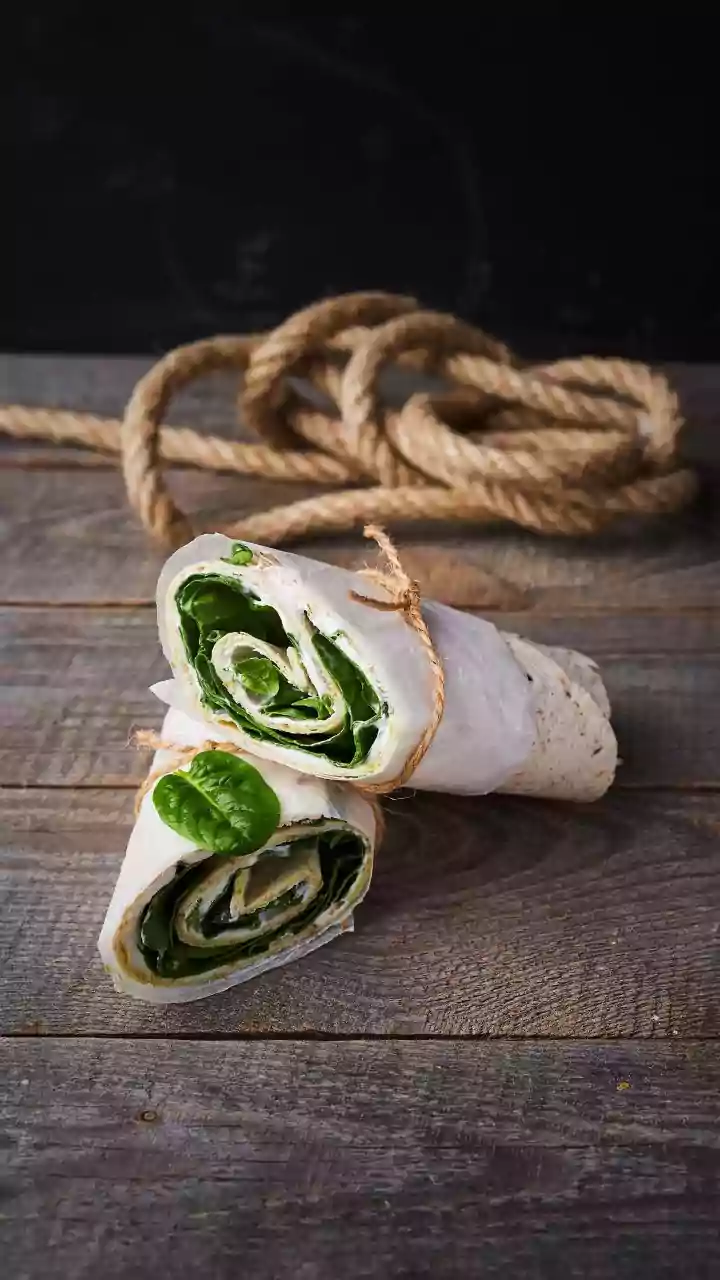
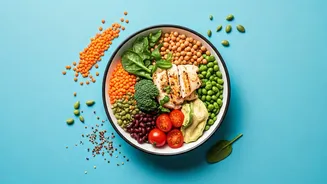
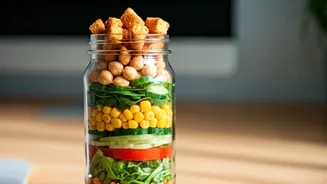
So, who are the star players on this new, lighter roster? The grain bowl continues its reign as the undisputed champion, offering a perfect canvas for lean proteins (grilled chicken, chickpeas, tofu), fresh vegetables, and flavorful dressings. They are customizable, satisfying, and pack a nutritional punch without weighing you down. Close behind are sophisticated salads that have evolved far beyond sad iceberg lettuce. Today’s salads are hearty affairs, loaded with interesting textures and ingredients like roasted sweet potatoes, toasted nuts, quinoa, and artisanal cheeses. High-protein smoothies, once relegated to breakfast, are also making a strong lunchtime appearance, providing a complete, chilled meal in a glass. And let's not forget the humble-but-mighty wrap, a portable and endlessly adaptable vehicle for fresh, crisp fillings that feel more substantial than a sandwich but less heavy than a burrito.