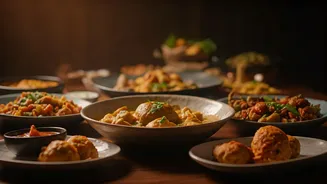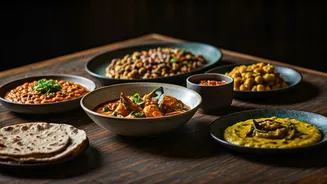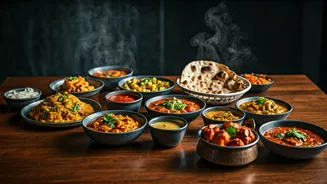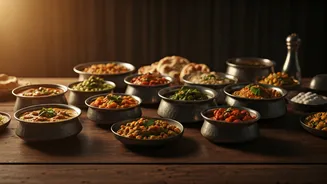

The Great Un-Standardization
Let’s be honest: the idea that a subcontinent with 28 states, dozens of languages, and over a billion people could be represented by a dozen dishes was always a little absurd. It’s like saying “European food” is just pizza and croissants. The Northern
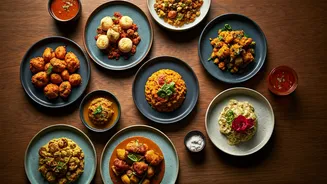
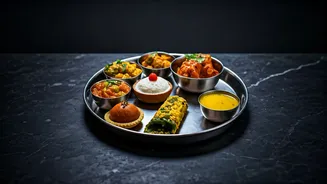
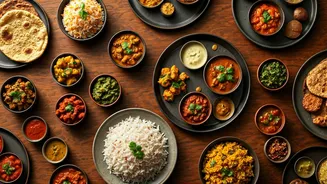
Indian and Punjabi dishes that became the standard in the U.S. and UK were delicious, rich, and comforting. They were also a simplified entry point, perfectly engineered for Western palates unaccustomed to the subcontinent’s full, fiery, and funky spectrum of flavors. Now, a new generation of chefs, many of them second-generation Indian Americans, are proudly digging into their specific family roots. They’re no longer cooking what they think will sell; they’re cooking what they grew up eating in their homes in Kerala, Bengal, Goa, and Gujarat. And American diners, armed with more adventurous palates and Instagram-ready curiosity, are finally ready for it.
The Chaat Revolution
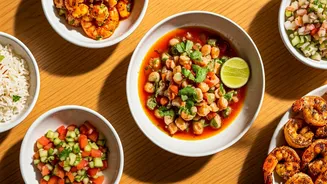
If there's one category leading the charge, it's *chaat*. These are savory street-food snacks that explode with a riot of textures and tastes—sweet, sour, spicy, and crunchy all in one bite. Think of it as India’s answer to tapas. For years, chaat was relegated to the appetizer section, but now it’s the main event at trendy restaurants and food stalls. Look for *pani puri* (or *golgappe*), small, hollow crisps filled with spiced potatoes and chickpeas, which you then fill with tangy, herbed water and devour in one go. Or *bhel puri*, a jumble of puffed rice, crunchy noodles (*sev*), potatoes, onions, and chutneys. It’s a category built on customization and regional variation, offering a vibrant, interactive alternative to a formal sit-down meal.
South India's Greatest Hits
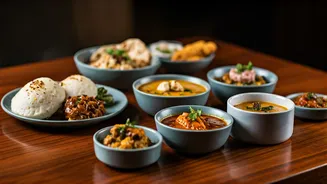
While Northern Indian food is heavy on wheat, cream, and tandoori ovens, the South is a different world. It’s a land of rice, lentils, coconut, and tamarind. The most famous ambassador is the *dosa*, a massive, crispy crepe made from fermented rice and lentil batter. Served with coconut chutney and *sambar* (a tangy lentil stew), it’s a staple breakfast that’s now an all-day star in the States. But the exploration doesn’t stop there. Look for its fluffier, softer cousin, the *uttapam*, which is more like a savory pancake topped with onions and chiles. Or *idli*, steamed, cloud-like cakes also made from fermented rice batter, perfect for soaking up sauces. And from the coastal state of Kerala, you'll find *appam*—lacy, bowl-shaped pancakes with a soft, spongy center, often served with a fragrant coconut-milk-based stew.
Coastal Flavors and Eastern Surprises
The focus on regions also brings coastal cuisines into the spotlight. In places like Goa, a former Portuguese colony, you'll find a unique blend of Indian spices and European techniques. The food is seafood-heavy, sour, and spicy, with dishes like Goan fish curry, which uses tangy kokum fruit, and pork vindaloo in its authentic, eye-wateringly sharp form (not the dumbed-down version). Meanwhile, chefs are finally introducing America to the distinct flavors of Eastern India, particularly Bengal. The Bengali pantry is defined by its use of mustard oil, which has a pungent, wasabi-like kick, and a five-spice blend called *panch phoron*. The food is delicate and complex, with a focus on freshwater fish, subtle vegetable preparations, and a famous love for sweets like *rasgulla* and *sandesh*.