





From Reaction to Preemption
Traditionally, your relationship with the healthcare system has been a passive one. You feel sick, you see a doctor, you get a diagnosis, and you receive treatment. It’s a reactive model built around addressing problems after they arise. But what if you could
spot the storm clouds long before the rain begins? That’s the core promise of preventive diagnostics. Instead of waiting for symptoms of high blood sugar to appear, you might track your glucose in real time. Instead of discovering a hereditary condition by chance, you could identify a genetic predisposition and adjust your lifestyle accordingly. For Gen Z, a generation that grew up with data at their fingertips, this shift from a reactive to a proactive health model feels intuitive. They are the first generation to view their own bodies as complex systems that can be monitored, optimized, and maintained for peak performance over a longer duration.
The New Proactive Health Toolkit
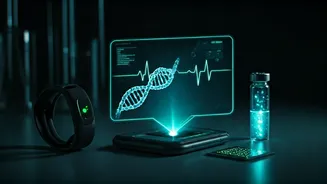
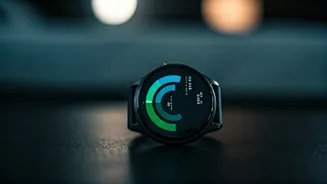
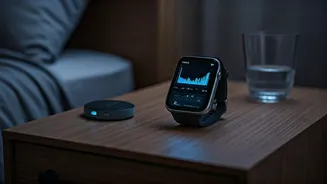
So, what does this new toolkit actually look like? It’s a mix of accessible technology and sophisticated medical testing, often used outside the confines of a traditional doctor’s visit. Wearable devices like the Oura Ring and Apple Watch have evolved from simple step counters into 24/7 health monitors tracking heart rate variability, sleep quality, and even blood oxygen levels. This continuous data stream provides a baseline that makes it easier to spot meaningful deviations. Beyond wearables, direct-to-consumer services offer everything from at-home blood panels that analyze dozens of biomarkers—from vitamin deficiencies to inflammatory markers—to genetic testing that can reveal predispositions for certain health conditions. Continuous Glucose Monitors (CGMs), once reserved for diabetics, are now being used by wellness-focused individuals to understand how their diet and exercise habits impact their metabolic health. Together, these tools provide a granular, personalized picture of one's health that was previously unimaginable for the average person.
Why Now? The Gen Z Mindset
This movement isn't just about technology; it's deeply rooted in the Gen Z psyche. This generation reports higher levels of anxiety and stress than any before, and that concern extends to their physical health. Having witnessed the chronic illnesses that affected their parents and grandparents, many are determined to write a different story. They are digitally native, comfortable with interpreting data, and value personalization and control. The one-size-fits-all approach of older medical paradigms feels outdated. They expect their health insights to be as on-demand and customized as their Netflix queue. This cultural shift, combined with a growing wellness industry and the decreasing cost of diagnostic tech, has created a perfect storm for the rise of proactive health management.
Redefining 'Youthful Lifespan'
The ultimate goal here is a subtle but profound one. It’s not just about extending lifespan—the total number of years you live. It’s about maximizing *healthspan*—the number of years you live in good health, free from chronic disease and disability. The term “youthful lifespan” captures this ambition perfectly. It’s the pursuit of maintaining the energy, cognitive function, and physical capabilities of one's younger self for as long as possible. By using diagnostics to catch metabolic dysfunction, inflammation, or nutrient deficiencies years or even decades before they would typically manifest as disease, the aim is to compress the period of illness at the end of life. The focus shifts from merely surviving old age to thriving through every stage of life. While not a guarantee, this proactive approach represents a powerful new strategy in the age-old quest for longevity.