




So, What Exactly Are Adaptogens?
Let’s demystify the term. Adaptogens are a class of non-toxic plants, herbs, and mushrooms that are believed to help the body resist and adapt to physical, chemical, and biological stressors. The concept isn’t new; many of these ingredients have been
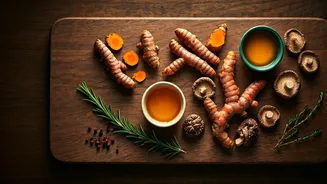
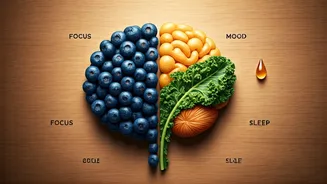
staples in Traditional Chinese Medicine and Indian Ayurveda for centuries. Think of them as a thermostat for your body. Proponents claim that when you’re feeling stressed, they help bring you back to a state of balance, or 'homeostasis.' Common players you’ll see on labels include ashwagandha, a root often used for calming; rhodiola, said to boost energy and focus; and various 'functional mushrooms' like reishi, lion’s mane, and cordyceps, each with its own purported benefits, from immunity support to cognitive enhancement. They’re not stimulants like caffeine, nor are they sedatives. Instead, they’re meant to work subtly over time to improve your body's resilience.
From Niche Supplement to Pantry Staple
For years, adaptogens were the domain of dedicated wellness gurus, purchased as pills or tinctures from specialty health shops. So what changed? The shift can be traced to a few converging cultural trends. First, there’s the broader wellness boom and a growing consumer desire for 'functional foods'—products that do more than just provide basic nutrition. We don’t just want a snack; we want a snack that also reduces stress or boosts focus. Second, savvy branding transformed these ancient herbs from something medicinal into an aspirational lifestyle product. Packaged in sleek, minimalist jars and pastel-colored boxes, adaptogens suddenly looked like they belonged on a stylish kitchen counter, not hidden in a medicine cabinet. Finally, social media food influencers and recipe developers started showcasing creative ways to use them, demystifying the powders and making them seem like just another 'superfood' ingredient, as accessible as chia seeds or matcha.
How Are People Using Them?
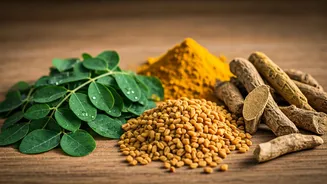
The main reason adaptogens have broken into the mainstream is their newfound versatility. Most are sold as fine powders, making them incredibly easy to incorporate into daily routines. The most popular entry point is beverages. People are stirring them into morning coffee (sometimes called a 'shroom brew'), blending them into post-workout smoothies, or whisking them into frothy lattes with oat milk. A teaspoon of ashwagandha in a nighttime 'moon milk' has become a popular ritual for winding down. But their use doesn’t stop there. Creative home cooks are adding them to oatmeal, pancake batter, and energy balls. Even savory applications are on the rise, with mushroom powders like reishi or shiitake lending a deep, umami flavor to soups, broths, and sauces. The key is to start small. Many of these herbs have potent, earthy flavors that can be overpowering if you use too much.
A Quick Word on the Science
Here's the important caveat: while adaptogens have a long history of traditional use and a growing body of anecdotal support, the rigorous, large-scale scientific evidence that U.S. consumers are accustomed to is still catching up. The FDA does not evaluate the health claims made by supplement companies about adaptogens. Some preliminary studies on ingredients like ashwagandha and rhodiola show promising results for stress reduction, but more research is needed to confirm these effects and determine optimal dosages. Most experts agree that for generally healthy people, incorporating small amounts of high-quality adaptogens into a balanced diet is likely safe. However, they aren't a magic bullet for a high-stress lifestyle, and they may interact with certain medications or be unsuitable for people with specific health conditions, particularly autoimmune diseases, or for those who are pregnant or breastfeeding.