




The Kitchen as a Crucible
For millions in India, a heatwave isn't an inconvenience; it's a fundamental threat to daily survival, and the kitchen is ground zero. Imagine trying to keep vegetables from wilting into sludge within hours, or milk from turning sour before it can be used.
This is the reality. In homes without consistent electricity or refrigeration, the relentless, suffocating heat turns the very act of nourishment into a race against decay. Fresh produce, a cornerstone of Indian cuisine, has a dramatically shortened lifespan. Leftovers become a gamble. Even storing water safely becomes a challenge. The heat doesn't just make cooking uncomfortable; it makes the cookstove a source of yet more oppressive warmth in an already unbearable environment, posing risks of heatstroke and exhaustion for the person, usually a woman, responsible for feeding the family.
Why Air Conditioning Isn't the Answer
For many Americans, the solution seems obvious: just turn on the air conditioning. But this perspective overlooks the complex reality in India and much of the developing world. First, there's the issue of access. Hundreds of millions of Indians live in energy poverty, where a personal AC unit is an unimaginable luxury and the electrical grid is too unreliable to support one anyway. Even for those who can afford a unit, running it is expensive, and an overtaxed grid frequently leads to brownouts and blackouts precisely when demand is highest. Second, conventional air conditioning is a climate catastrophe in the making. The refrigerants used (hydrofluorocarbons, or HFCs) are potent greenhouse gases, and the sheer electricity required to run millions of new units would likely come from burning more fossil fuels. In essence, the most common solution to heat would only make the long-term problem of climate change worse.
Defining ‘Cold-Plate Energy’
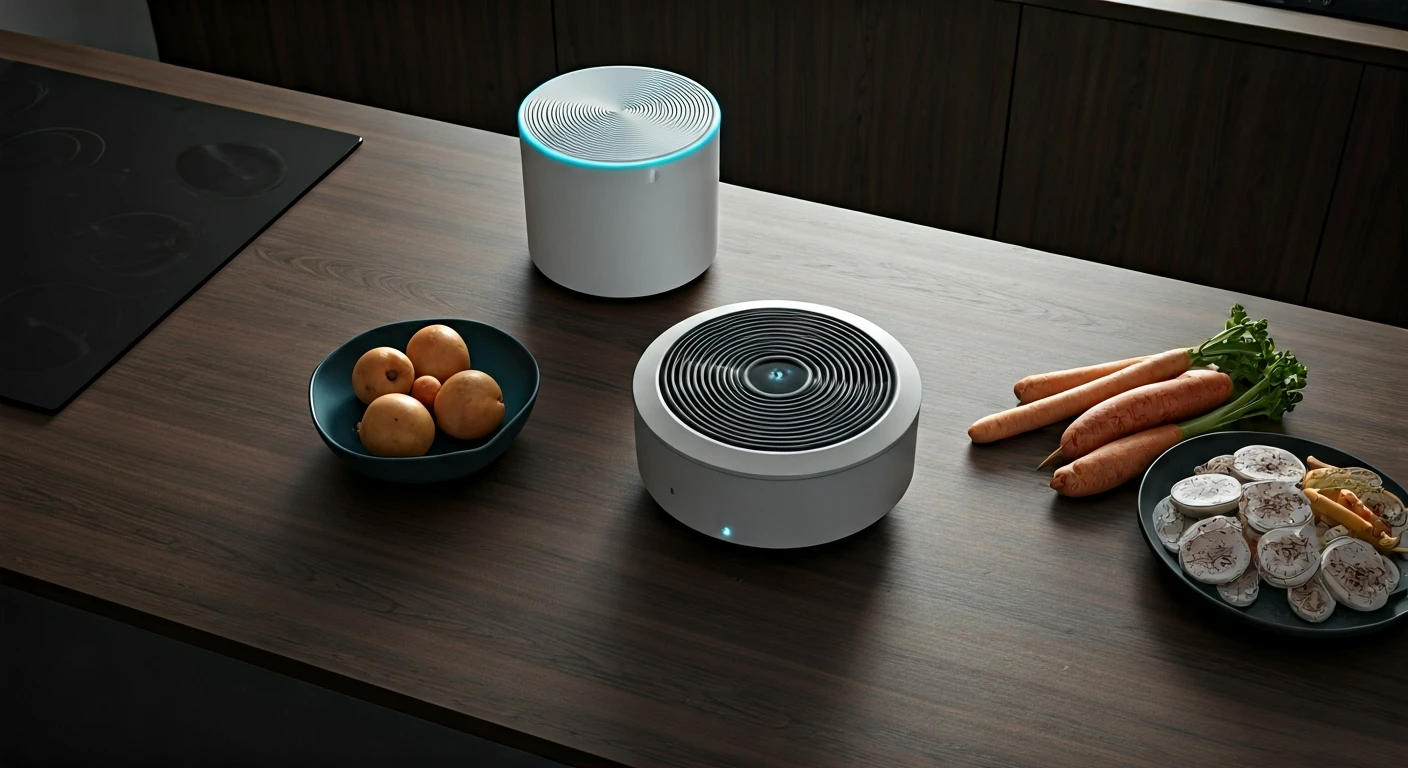
This is where the idea of “cold-plate energy” comes in. It’s less a specific technology and more of a philosophy: the pursuit of cooling solutions that are low-cost, low-energy, and accessible to all. It’s about creating pockets of cool where they are needed most—like a pantry or a food storage container—rather than trying to cool an entire building. Think of it as targeted, defensive cooling. The most famous example is the “Mitticool,” a terracotta refrigerator invented by an Indian potter that uses the simple principle of water evaporation to keep vegetables fresh for days without any electricity. Other examples include architectural designs that promote natural airflow, the use of phase-change materials that absorb heat during the day and release it at night, and small-scale, solar-powered refrigeration units designed for off-grid use. This is the essence of cold-plate energy: clever, localized, and sustainable.
Innovations for a Hotter Future
The demand for these solutions is sparking a wave of innovation. Engineers and entrepreneurs are developing everything from community-level cold storage rooms, powered by solar, where multiple families can store their produce, to hyper-efficient personal coolers that use a fraction of the energy of a traditional AC unit. These solutions recognize that the goal isn't just comfort, but resilience. By focusing on food preservation and safety, they address a primary consequence of extreme heat. A heat-resilient kitchen in India might not look like a high-tech American one. It might feature shaded windows, a well-ventilated cooking area, and a simple, electricity-free cooling box in the corner. This approach doesn't require rebuilding the national power grid overnight; it empowers households to adapt right now, using affordable and appropriate technology.