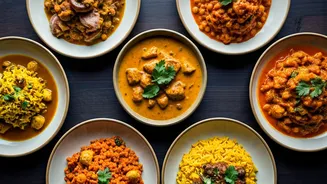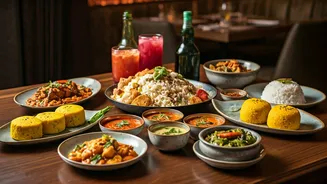

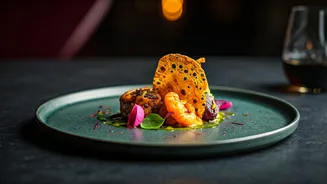
Beyond the Buffet: What Changed?
For decades, the Indian restaurant experience in America was remarkably consistent. Dominated by North Indian and Punjabi dishes, the menu was a comforting rotation of creamy curries, tandoori meats, and samosas. This wasn't a culinary conspiracy; it
was a smart business decision by early immigrants, offering a predictable and palatable introduction to a complex cuisine. But that era of homogenization is ending. A new generation of chefs, many born or raised in the U.S., are proudly showcasing the food they grew up with, from the coastal seafood of their Goan grandmothers to the vegetarian feasts of Gujarat. They're betting that American diners are ready to graduate from the basics and explore the staggering diversity that makes up 'Indian food'—a term as broad as 'European food.' The result is one of the most exciting movements in the American culinary landscape today.
The Coastal Cool of Goa
Forget the heavy cream. Goan food, from India's smallest state, is a sun-drenched, Portuguese-influenced cuisine built on seafood, coconut, and a distinctive sour tang from kokum (a fruit from the mangosteen family) and vinegar. It’s the food of a vibrant coastline, and its flavors are bright and assertive. You’ll find pork vindaloo in its fiery, authentic form—a far cry from the generic spicy curry it often becomes elsewhere. The real star, however, is the seafood. Think fish curries simmered in a coconut-red chili gravy that’s simultaneously rich and zesty, or prawns cooked with garlic, spices, and a splash of feni, a local cashew-based spirit. Goan food is a perfect example of regional specificity: it tells a story of trade, colonization, and geography in every single bite.
The Spice Gardens of Kerala
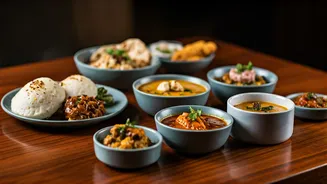
Head south to Kerala, a lush, tropical state known as the 'Land of Spices.' The food here is a masterclass in layering flavors. Coconut is king, used in everything from grated garnishes to rich, creamy milk bases for stews. Black pepper, cardamom, cloves, and curry leaves (used fresh, not powdered) form the aromatic backbone of the cuisine. Signature dishes include 'appam,' a bowl-shaped pancake made from fermented rice batter with a soft, spongy center and crispy, lacey edges, perfect for sopping up 'ishtew,' a fragrant coconut milk-based stew with chicken or vegetables. Another must-try is Karimeen Pollichathu, a local fish marinated in spices, wrapped in a banana leaf, and steamed to perfection, locking in moisture and flavor. It’s delicate, fragrant, and profoundly satisfying.
The Vegetarian Feasts of Gujarat
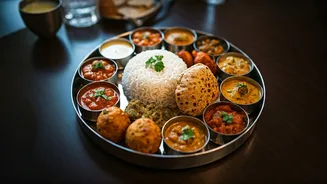
On India’s western coast, Gujarat offers one of the country's most prominent vegetarian culinary traditions. Gujarati food is known for its ingenious balance of sweet, sour, and spicy notes, often within the same dish. A typical 'thali' (a platter featuring a variety of small dishes) is a journey of textures and tastes. You’ll find 'dhokla,' a savory steamed cake made from fermented rice and chickpea batter that is light, fluffy, and ridiculously moreish. There’s also 'khandvi,' delicate, tightly rolled sheets of gram flour pasta, and 'undhiyu,' a complex, slow-cooked winter vegetable casserole. The cuisine showcases a deep understanding of vegetables and legumes, transforming them into dishes that are exciting and deeply comforting, proving that meatless meals can be the main event.
The Royal Aromas of Kashmir
Nestled in the Himalayas, Kashmiri cuisine is rich, aromatic, and heavily influenced by Persian and Central Asian culinary traditions. It’s a world away from the tropical flavors of the south. The climate calls for heartier fare, and lamb is a centerpiece. The most famous export is 'rogan josh,' a slow-cooked lamb dish with a brilliant red gravy colored by dried Kashmiri chilies, which provide more color than heat. The flavor is complex, built on aromatic spices like fennel, cardamom, and ginger. Saffron, grown in the valleys of Kashmir, infuses rice and curries with its unmistakable fragrance and golden hue. A traditional multi-course Kashmiri meal, the 'wazwan,' is a feast of epic proportions, showcasing dozens of dishes, mostly meat-based, that represent a proud and ancient food culture.