


The End of Vacation Burnout
For decades, the American vacation has been a frantic exercise in box-ticking. We built itineraries that looked like military operations, racing from landmark to landmark, camera in hand, driven by a fear of missing out. The result? A collection of photos
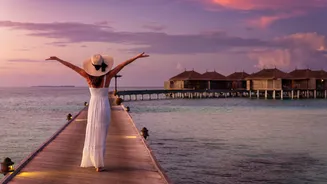
but very little actual rest. We returned to our desks with a 'vacation hangover,' needing a break from our break. But a quiet revolution is underway. Travelers are finally asking a radical question: What if the purpose of a vacation wasn't to 'see everything,' but to actually feel better? The answer is borrowing the core principles of a wellness retreat—intentionality, presence, and restoration—and applying them to every kind of getaway, from a weekend in Chicago to two weeks on the coast.
Habit 1: Prioritize a Feeling, Not a Checklist
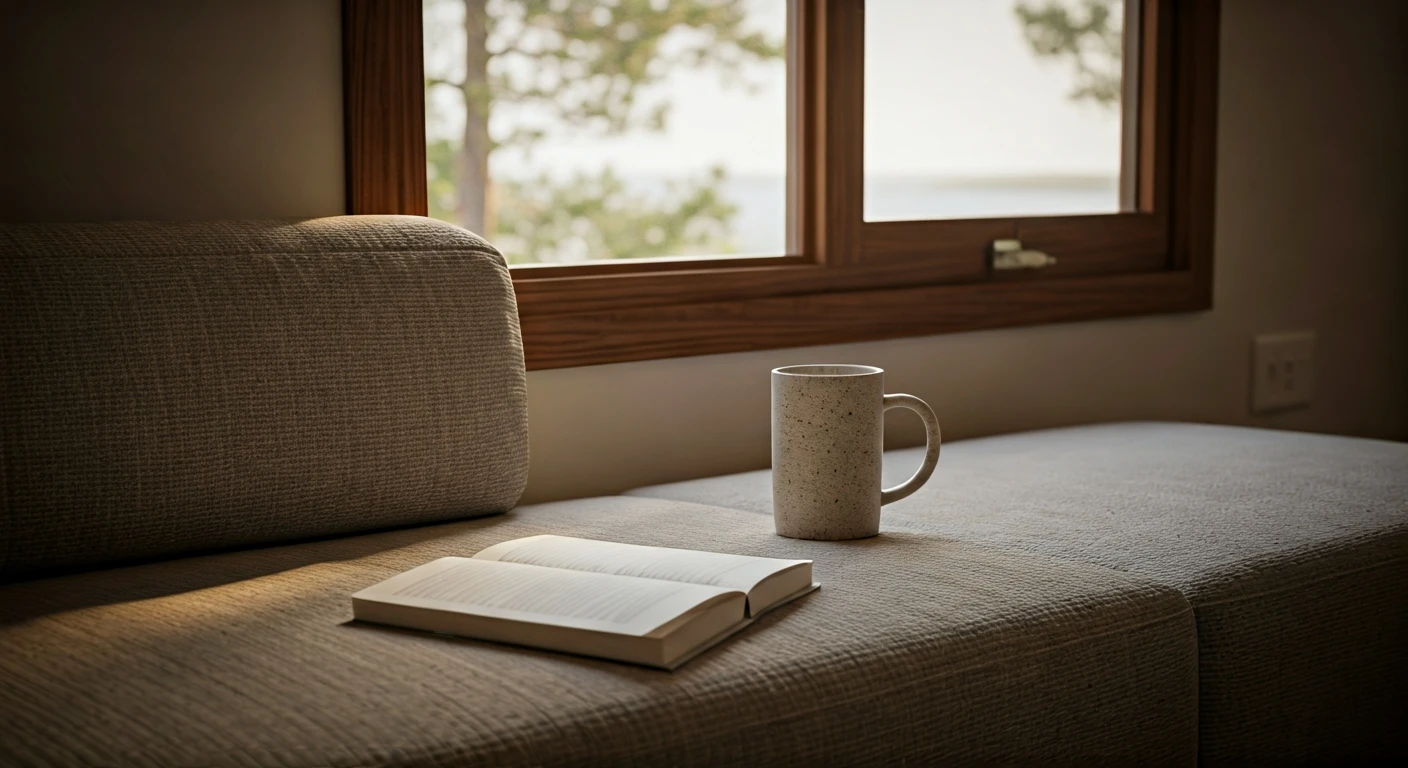
Traditional travel planning starts with a list of 'must-sees.' The retreat-minded traveler starts with a 'must-feel.' Before you book a single thing, ask yourself: what do I want to feel at the end of this trip? Rested? Inspired? Connected? Adventurous? Let that feeling be your guide. If your goal is to feel rested, a 6 a.m. alarm to beat the museum crowds is counterproductive. Maybe a leisurely brunch, a long walk in a neighborhood park, and reading a book in a cafe is a more successful day. This approach swaps the pressure of external validation (seeing the 'right' things) for the reward of internal satisfaction.
Habit 2: Master the Art of Single-Tasking
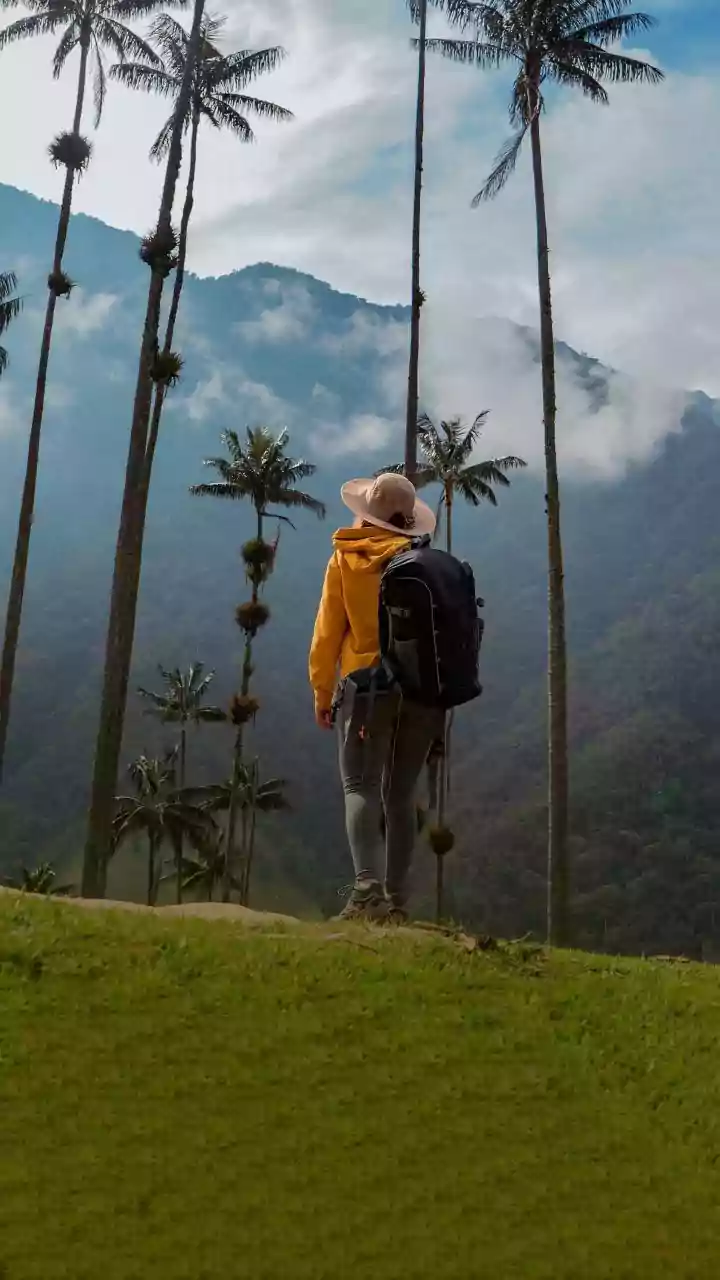
Retreats are designed to pull you out of the frantic multitasking that defines modern life. You can bring this principle anywhere. When you are eating a fantastic meal, just eat the fantastic meal. Don’t scroll through your phone, plan tomorrow’s route, or agonize over what you might be missing. When you’re walking through a beautiful forest, put the phone away and use your senses. This practice of 'travel single-tasking' is the antidote to the feeling that your vacation is just a blur. It allows your brain to actually form rich, lasting memories instead of a fleeting series of digital snapshots. Presence is the most underrated travel luxury.
Habit 3: Schedule the Unscheduled
This might sound like a contradiction, but it’s the most powerful habit you can adopt. Look at your travel days and intentionally block out chunks of time with no label. This isn't just 'free time' that gets filled with the next available activity; it's deliberately protected 'Nothing Time.' This is when the magic happens. You might discover a hidden bookshop, have a spontaneous conversation, or simply decide to take a nap. By creating these voids, you give serendipity a chance to show up. It’s the ultimate act of faith in your destination and in yourself, trusting that something wonderful will happen without you having to force it.
Habit 4: Create a Simple Travel Ritual
Retreats are often anchored by simple, repeated rituals—a morning meditation, an evening cup of tea. These small acts create a sense of rhythm and calm. You can easily create your own. Maybe it’s starting each day with a 15-minute walk without a destination. Perhaps it’s finding a local market and buying one piece of fruit to eat mindfully. Or it could be a simple, five-minute journaling session before bed to note one beautiful thing you saw that day. A personal ritual, no matter how small, grounds you in the present and turns a series of days into a cohesive, meaningful experience.