



The Appeal of the Off-Season
For generations, travel advice for many parts of South and Southeast Asia came with a simple warning: avoid the monsoon. From roughly June to September, relentless rains were seen as a deterrent, grounding plans and turning paradise into a soggy mess.
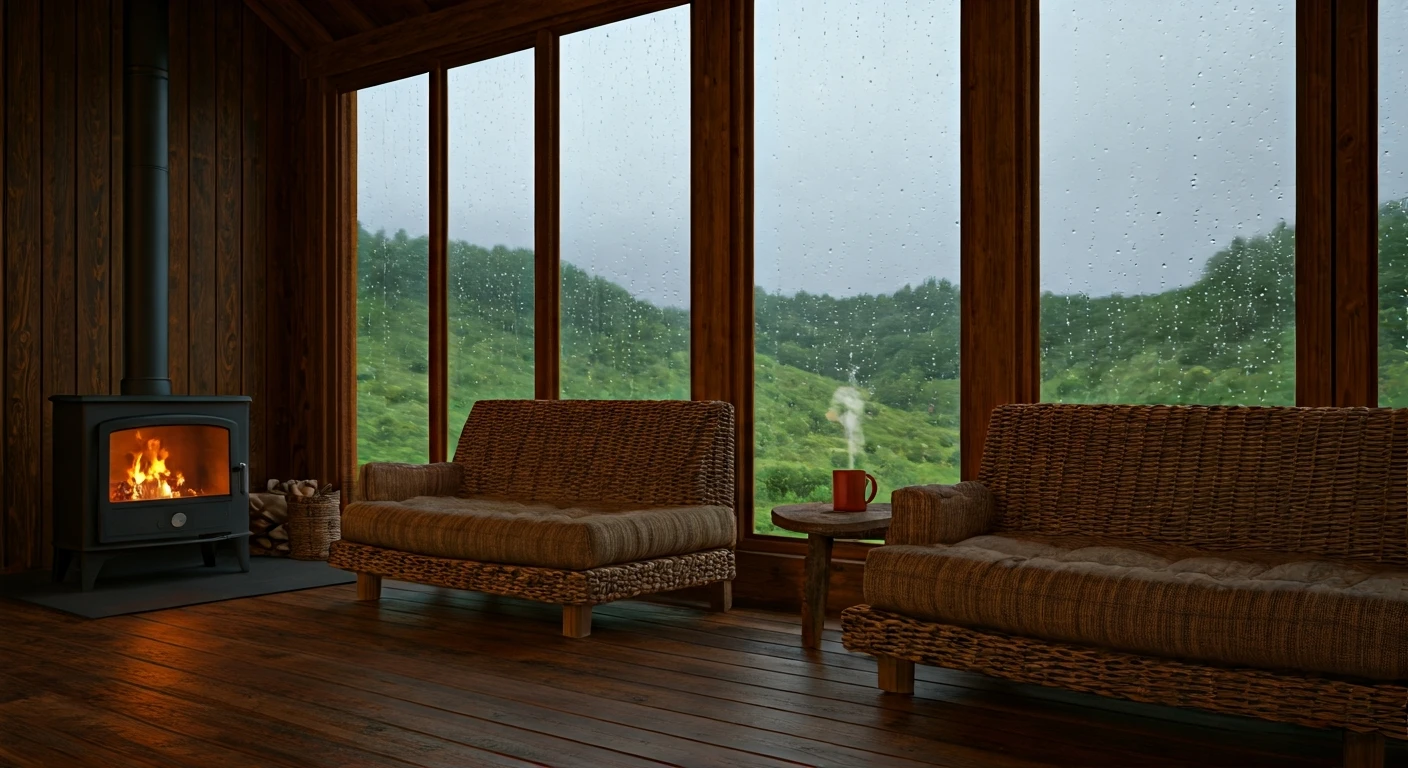
But for a growing number of travelers, especially those seeking to escape over-tourism and find a deeper connection with nature, the script has flipped. The monsoon is no longer a bug; it’s a feature. The trend is fueled by a desire for a different kind of vacation—one that’s less about frantic sightseeing and more about atmospheric immersion. It’s about trading crowded tourist traps for the quiet solitude of a veranda, a cup of hot tea in hand, watching the world outside get washed clean and come alive with a primal energy.
Where Water Is the Main Event
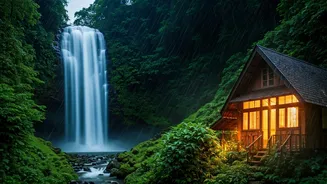
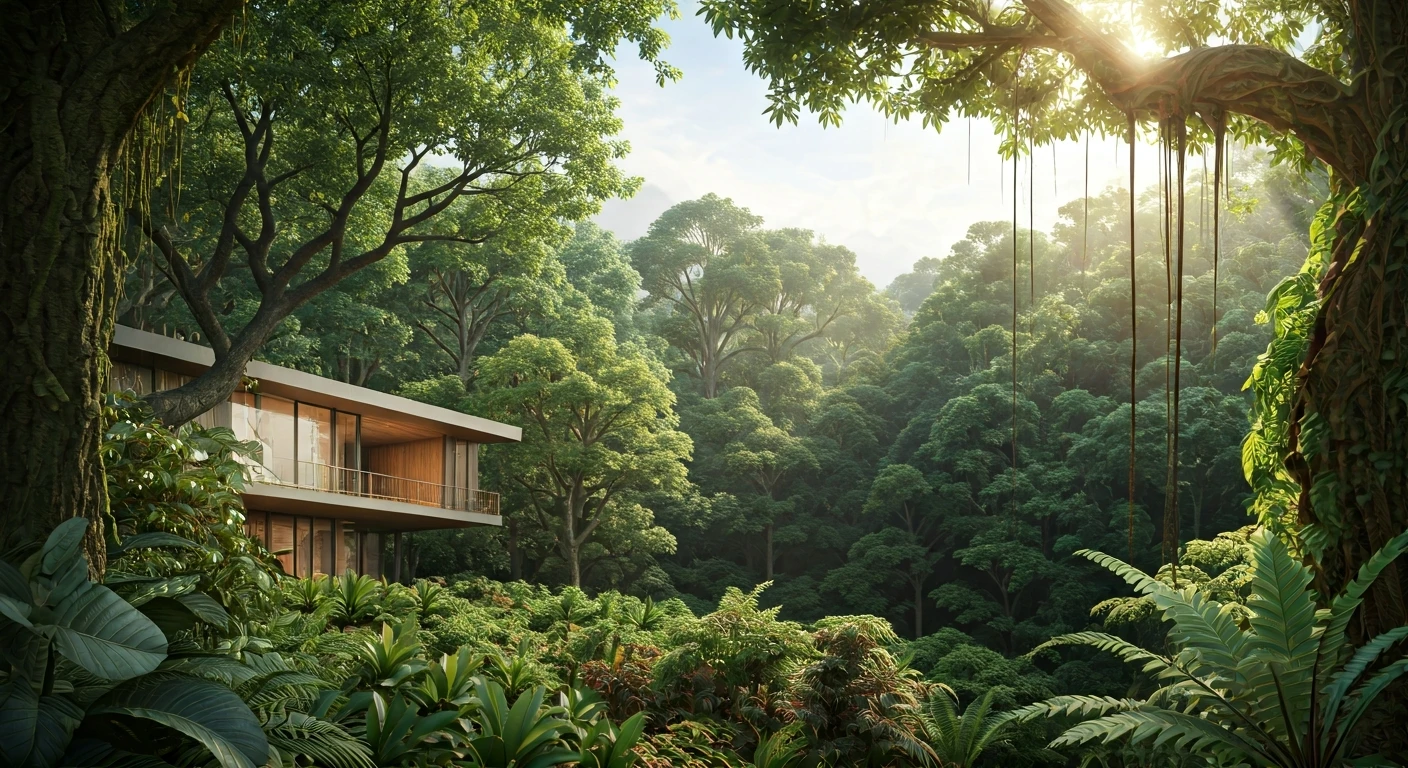
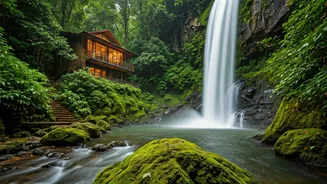
This movement is most visible in regions famed for their dramatic seasonal transformations. Chief among them are India's Western Ghats, a UNESCO World Heritage mountain range running parallel to the country's western coast. In states like Kerala, Karnataka, and Maharashtra, the dry, dusty hills of summer undergo a breathtaking metamorphosis. The first rains trigger an explosion of life, carpeting the landscape in a thousand shades of impossible green. Dormant streams swell into roaring rivers, and trickles of water down cliff faces become magnificent, thundering waterfalls. It is here that the “waterfall view” has become the hottest commodity in travel. Small, family-run homestays and boutique guesthouses with rooms overlooking these temporary cascades are finding themselves booked out months in advance, catering to city dwellers and international visitors hungry for an authentic natural spectacle.
Why a Homestay Hits Different
You won’t find this experience at a five-star resort chain. The magic of monsoon travel is intrinsically tied to the homestay model. These are not sterile hotel rooms; they are intimate spaces, often part of a family’s property, that offer a front-row seat to both nature and local culture. The appeal lies in the authenticity. Instead of a continental breakfast buffet, you get home-cooked regional dishes perfectly suited for the rainy weather—think spicy curries, hot pakoras, and fragrant chai. The hosts often double as local guides, pointing out the best (and safest) trails for a short trek to the base of a waterfall or sharing stories about the region. This personal touch transforms a simple stay into a rich cultural exchange, creating a sense of belonging that large hotels can rarely replicate. This intimacy and authenticity are precisely what’s “selling” these stays so fast.
An Adventure for the Senses
A monsoon vacation isn’t a passive experience. While much of the appeal is the cozy feeling of being indoors while a storm rages outside, it’s also a call to engage with the environment. The air is thick with the smell of wet earth, a scent known as petrichor. The sound isn't just the waterfall; it's a constant, soothing symphony of rainfall, chirping insects, and croaking frogs. For the more adventurous, the breaks between downpours are an opportunity for exploration. Short hikes reveal a world teeming with life—unique insects, vibrant fungi, and birds that thrive in the damp climate. It’s a photographer’s dream, where mist hangs low in the valleys and every leaf glistens with water droplets. It’s a vacation that forces you to slow down, to notice the small details, and to appreciate the powerful, rejuvenating force of nature in its rawest form.