

The Rise of Kitchen Counter CSI
The desire to know exactly what’s in our food is nothing new, but the trend of performing at-home “purity tests” and sharing the results has exploded. This isn't just about reading labels anymore; it’s about becoming an amateur food detective. The driving
forces are clear: a growing distrust in industrial food systems, the pervasive influence of wellness culture that lionizes “clean” ingredients, and, of course, the visual, shareable nature of a test. A video showing a device flashing red for gluten or a test strip changing color for pesticides is social media gold. It’s a simple, compelling narrative in a complex world: ‘I tested my food, and here’s the hidden truth.’ This trend taps into a powerful need for control, offering a tangible way for people to feel like they are protecting themselves and their families from unseen threats.
The Viral Hack: Mostly Myth
Many of the most-shared “food purity” checks are little more than kitchen science fiction. You might have seen videos claiming to detect “plastic” in rice by burning it or dropping grains on a phone screen. These tests are consistently debunked by food scientists. For example, the starchy carbohydrates in rice will naturally char and melt when burned, which has nothing to do with plastic. Similarly, other viral tests—like soaking produce in baking soda solutions and watching for dramatic color changes—are often just showcasing normal chemical reactions, not the removal of a toxic sludge. While these hacks are highly shareable because of their shocking visuals, they don't provide any useful information. In fact, they often create unnecessary fear and food waste. The biggest takeaway here is to be deeply skeptical of any simple “hack” that promises to reveal a hidden danger without a scientific explanation.
The Commercial Kit: Limited Utility
Stepping up from viral hacks, you can find commercially available kits that test for things like pesticides. These usually involve test strips or solutions that react to the presence of specific chemical groups, such as organophosphates or carbamates, which are found in some pesticides. While more scientific than a debunked TikTok trend, their usefulness for the average consumer is debatable. First, these tests typically screen for only a small handful of the hundreds of pesticides in use. A negative result doesn’t mean your produce is pesticide-free, only that it’s free of the specific chemicals the test can detect. Second, federal regulations already set tolerance levels for pesticide residues on food, which are generally considered safe for consumption. For most people, the expert-recommended, low-tech solution is far more effective: thoroughly washing all fruits and vegetables under running water.
The Medical Device: Genuinely Useful (for Some)
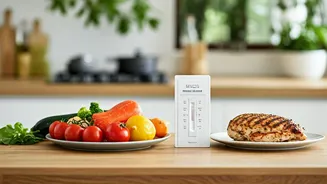
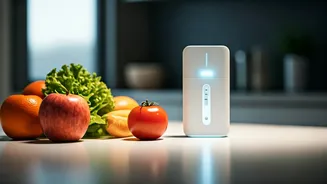
This is where food purity checks become genuinely useful, albeit for a specific audience. For individuals with life-threatening food allergies or serious conditions like Celiac disease, cross-contamination is a constant worry. Devices like the Nima Sensor or The Allergy Amulet are designed to detect trace amounts of specific proteins, like peanuts, dairy, or gluten, in a food sample. A user places a tiny piece of their meal into a single-use capsule, and the device runs a rapid antibody-based test, providing a result in minutes. For someone who could have a severe reaction from a contaminated kitchen utensil, these gadgets can be a game-changer, offering an extra layer of security when dining out. However, they aren't foolproof—they can produce false negatives if the sample tested isn't representative of the whole dish, and the ongoing cost of test capsules can be significant.
Why We Can't Stop Sharing
Ultimately, the “shareable” nature of these checks is as important as their perceived usefulness. Posting a video of a food test is a form of social signaling. It says, “I am a discerning, health-conscious person who is savvy enough to investigate my food.” It’s performative wellness. In a world saturated with conflicting dietary advice, a simple positive or negative result feels like a moment of clarity. It creates a satisfying, bite-sized story of discovery and empowerment. Whether the test is scientifically valid is almost secondary to the feeling of agency it provides. Sharing the result fosters a sense of community among like-minded people, all on a shared quest for “purity” in a system they no longer trust.