





More Than Just Granola
First, let’s get the definition straight. “Functional foods” aren’t a legally defined category in the U.S., which adds to the confusion. But the industry generally agrees on the concept: these are foods that offer a health benefit beyond basic nutrition,
thanks to added ingredients. Think of it as food with a job to do. Your orange juice isn't just for Vitamin C anymore; now it might have added calcium and Vitamin D for bone health. Yogurt has always been nutritious, but now it’s a vehicle for probiotics to support gut health. The concept itself isn't new—iodized salt was an early form of a functional food, introduced in the 1920s to combat goiters. What *is* new is the sheer scale, variety, and mainstream ambition of these products. We've moved far beyond single-ingredient fortification into a world of complex formulations designed to boost everything from focus and immunity to sleep and mood.
The Great Grocery Migration
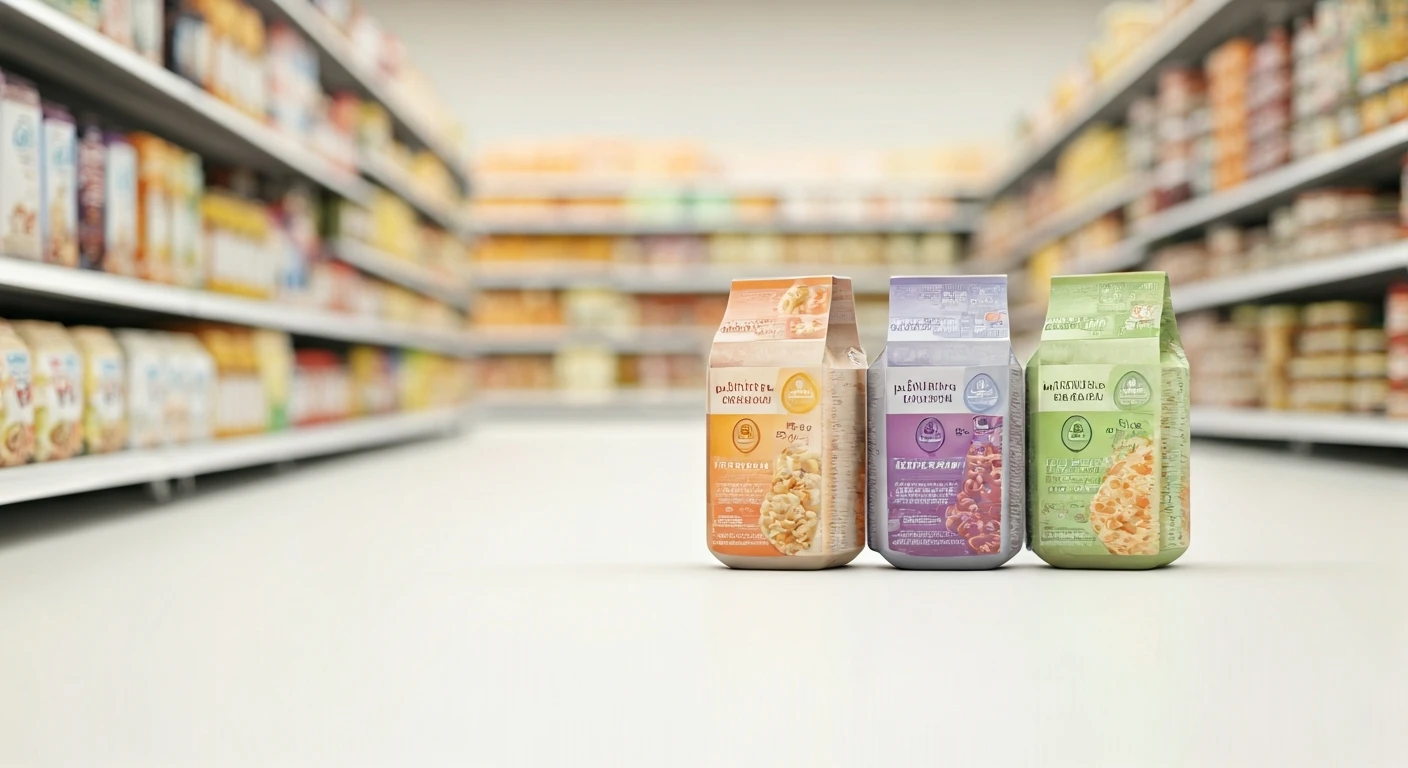
For decades, if you wanted kombucha, adaptogenic herbs, or protein-infused everything, you had to make a special trip to a natural foods market or the sequestered “wellness” aisle of a larger supermarket. These products were niche, often expensive, and catered to a specific, health-conscious consumer. Not anymore. The headline’s claim that they are “leaving wellness shelves behind” isn’t about them disappearing from those stores; it’s about their mass migration into every other part of the store. Brands like Olipop and Poppi, with their prebiotic and probiotic sodas, now sit right next to Coca-Cola and Pepsi in Target and Walmart. The once-niche category of plant-based milks now commands a massive refrigerated section of its own. Cereal aisles feature mainstream brands like Cheerios boasting about heart health, while new challengers like Magic Spoon offer high-protein, low-carb versions of childhood favorites. This is the new normal: function is no longer a feature, it's an expectation.
Why Now? The Consumer Pull
This shift isn't happening because food companies suddenly decided to make us all healthier. It's happening because consumers are demanding it. Several cultural and market forces have created a perfect storm. First, there's the rise of the “pro-sumer”—a proactive consumer who is deeply engaged with their own health, armed with information from the internet, and sees food as a primary tool for self-care and preventative medicine. The pandemic only accelerated this, putting immunity and mental well-being at the forefront of everyone’s minds. Second, there's a demand for convenience. We’re busy. The idea of getting your daily dose of collagen, adaptogens, or extra fiber from a snack bar or a canned coffee you were going to drink anyway is incredibly appealing. It’s a low-effort way to feel like you’re making a healthy choice. Food manufacturers, seeing the explosive growth in the wellness industry, are simply following the money and embedding these benefits into products people already buy.
Your Shopping Cart, Supercharged
So, what does this mean for the average shopper? On one hand, it’s a win for accessibility. You no longer need a big budget or live near a specialty store to access foods that can support your health goals. But it also requires a new level of consumer savvy. The lack of strict regulation means marketing claims can sometimes outpace scientific evidence. A drink promising “calm” or “focus” might have a negligible amount of the active ingredient, or it might be loaded with sugar that negates the benefit. The challenge for consumers is to become adept at reading labels, understanding what ingredients like L-theanine or lion's mane actually do, and distinguishing between a genuinely beneficial product and a cleverly marketed one. It turns a simple grocery run into a low-stakes exercise in nutritional science and marketing deconstruction.