



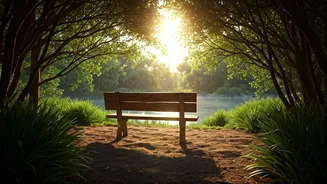

From #VacationGoals to #SoftLife
For years, the dominant travel script, largely written by Millennials, was one of high-octane aspiration. It was about conquering a city in 48 hours, collecting passport stamps like achievements, and documenting it all with a jealousy-inducing photo dump.
The goal was to prove you were 'living your best life,' even if that life felt exhausting. The backdrop was often a greatest-hits list of landmarks: the Eiffel Tower, the Colosseum, the Brooklyn Bridge. Success was measured in a full camera roll and a packed itinerary. Now, a different philosophy is taking hold, particularly among travelers in their teens and twenties. Instead of chasing a checklist, they’re chasing a feeling: rest. This isn’t about being lazy; it’s a deliberate rejection of travel as a performance. The new #VacationGoals are less about spectacular views and more about a sustainable state of mind. Welcome to the era of 'slow travel,' 'sleep tourism,' and prioritizing personal peace over a perfect post.
The Anatomy of Burnout
Why the sudden shift? In short, Gen Z is tired. This is a generation that came of age amidst global uncertainty, economic anxiety, and the crushing weight of a 24/7 digital world. They’ve seen the effects of hustle culture on their Millennial predecessors and are collectively saying, “No, thank you.” For them, a vacation isn’t an opportunity to perform more; it’s a non-negotiable chance to recover from the performance of everyday life. This drive for calm is also a direct reaction to social media. While Millennials curated perfection on Instagram, Gen Z uses platforms like TikTok to share more authentic, unfiltered moments—including the desire for a genuine break. They’re less interested in creating a highlight reel for others and more focused on the actual, lived experience. The ultimate flex is no longer an exotic location, but the ability to truly disconnect.
In with Dupes, Out with Crowds
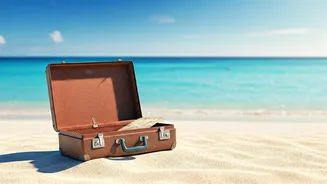
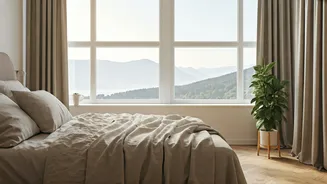
This new mindset is reshaping travel decisions. One of the biggest trends is the rise of 'destination dupes.' Instead of flocking to overcrowded, overpriced hotspots, travelers are seeking out less-famous alternatives that offer a similar vibe without the stress and expense. Think swapping the crowds of Lisbon for the coastal charm of Porto, or trading the intensity of Rome for the laid-back history of Bologna. It’s a pragmatic approach that combines budget-consciousness with a desire for more authentic, less tourist-saturated experiences. Another manifestation is 'sleep tourism,' where the primary goal of the trip is simply to catch up on rest. This might mean booking a hotel specifically for its blackout curtains and quiet location, or planning a trip with no agenda other than napping on a beach. It sounds simple, but in a world that valorizes being busy, choosing to prioritize sleep is a radical act of self-care.
A Different Kind of Itinerary
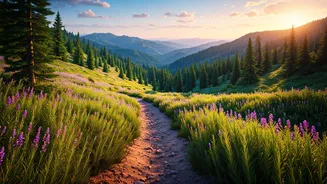
So what does a 'calm' trip look like? It’s built on flexibility. The itinerary might consist of loose suggestions rather than rigid, timed-out appointments. It could mean spending an entire afternoon in a single café, reading a book, and watching the world go by instead of rushing between three museums. It prioritizes depth over breadth—getting to know one neighborhood well instead of seeing an entire city’s highlights from a tour bus. Activities are chosen for enjoyment, not for their social media currency. This could be a local cooking class, a long hike, a visit to a neighborhood market, or simply enjoying a quiet morning without an alarm. The measure of a successful day isn’t how much was done, but how good it felt. It’s a mindful, present-focused approach that treats travel as a form of restoration, not a competitive sport.