



The Other Side of Paradise
For decades, Goa has been synonymous with its golden coastline—a haven for global travelers seeking sun, sand, and sea. The state’s identity is so tied to its beaches that the off-season, particularly the monsoon, was once seen as a quiet, dormant period.
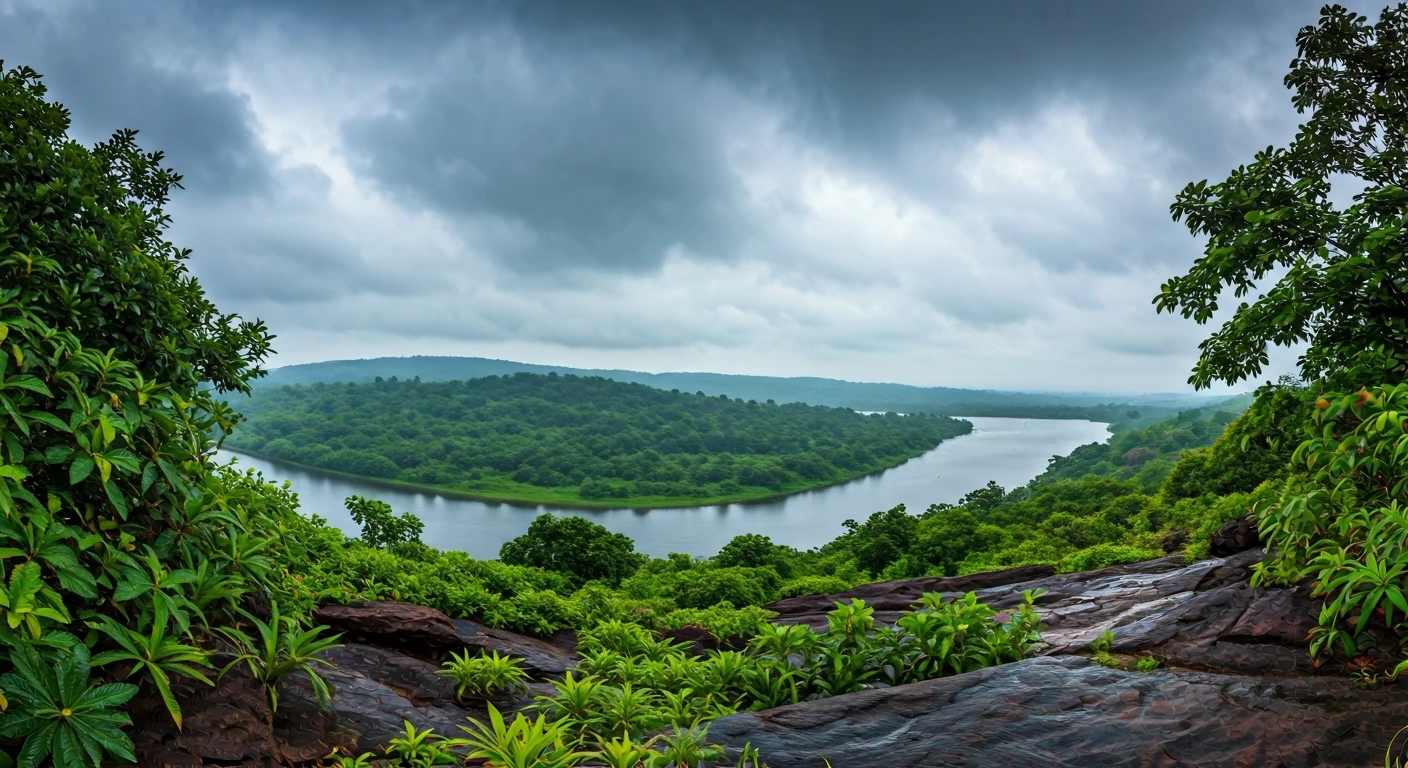
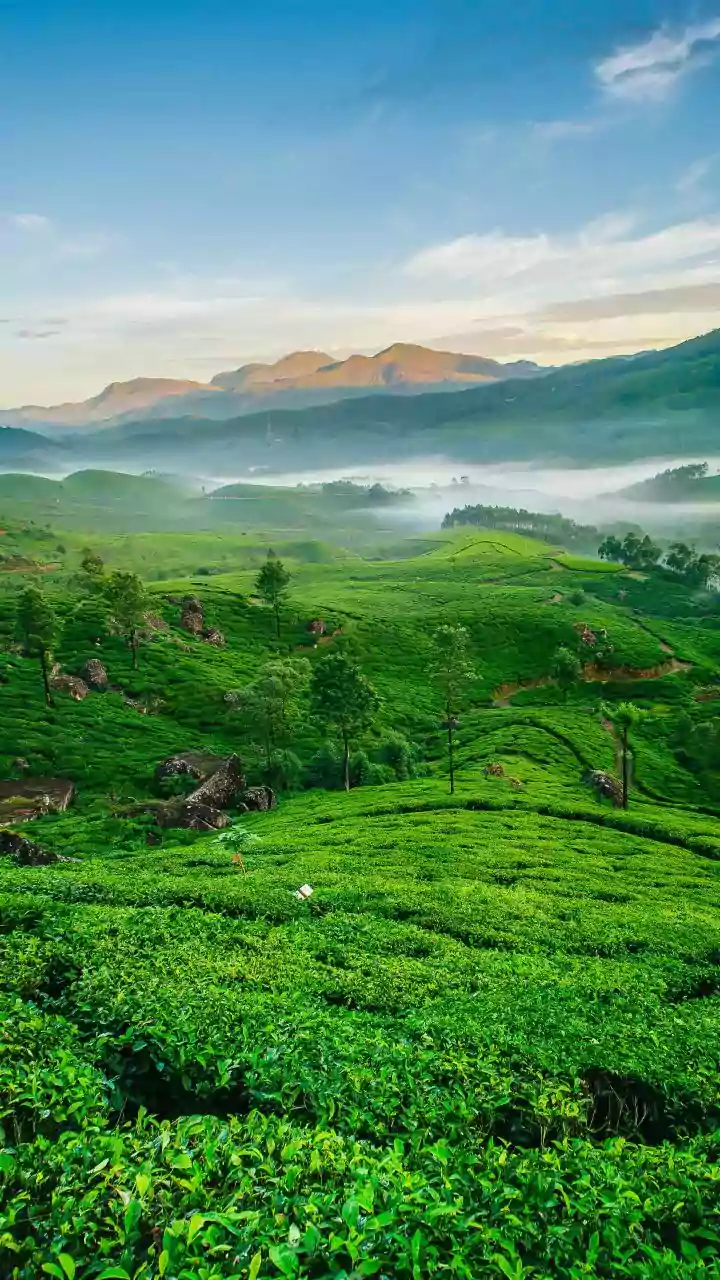
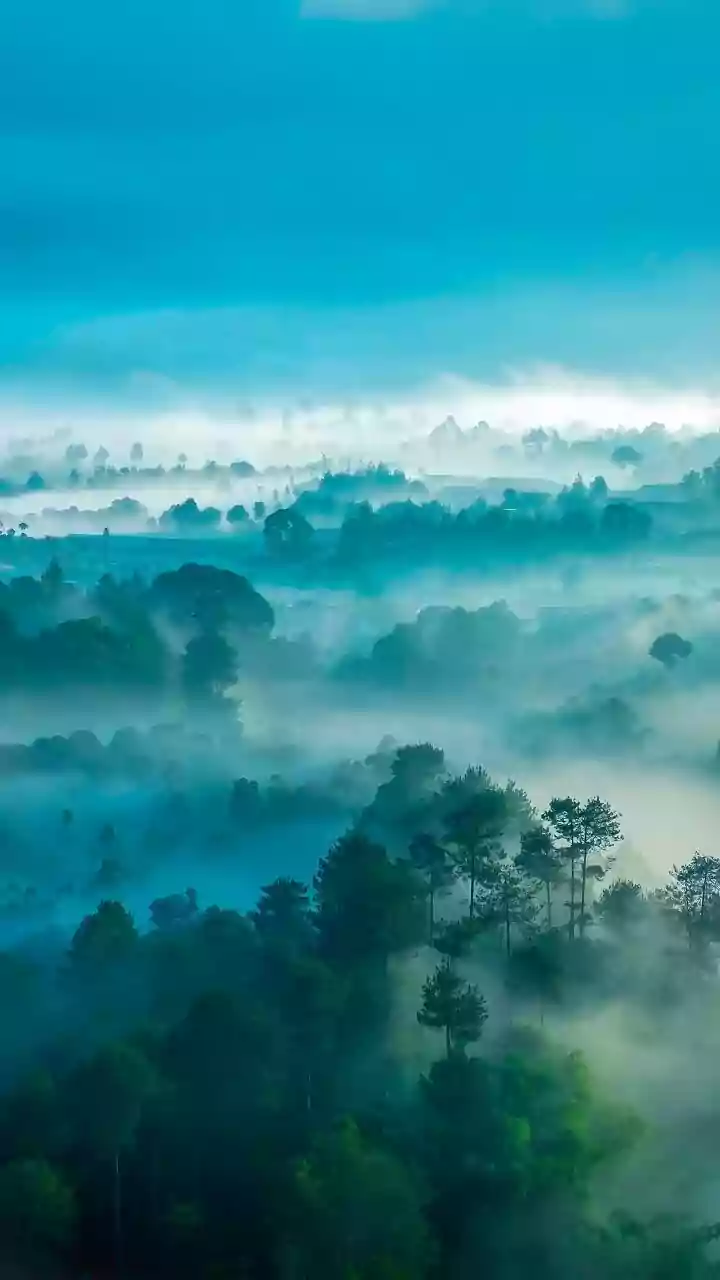
But a different kind of traveler has discovered the secret: when the skies open up, Goa doesn’t shut down. It awakens. The blistering heat of May gives way to a cool, misty embrace. The dusty roads turn a deep, rich brown, and every shade of green imaginable explodes across the landscape, from the rice paddies in the lowlands to the dense forests of the Western Ghats mountain range that forms its eastern border.
The Spectacle of Dudhsagar
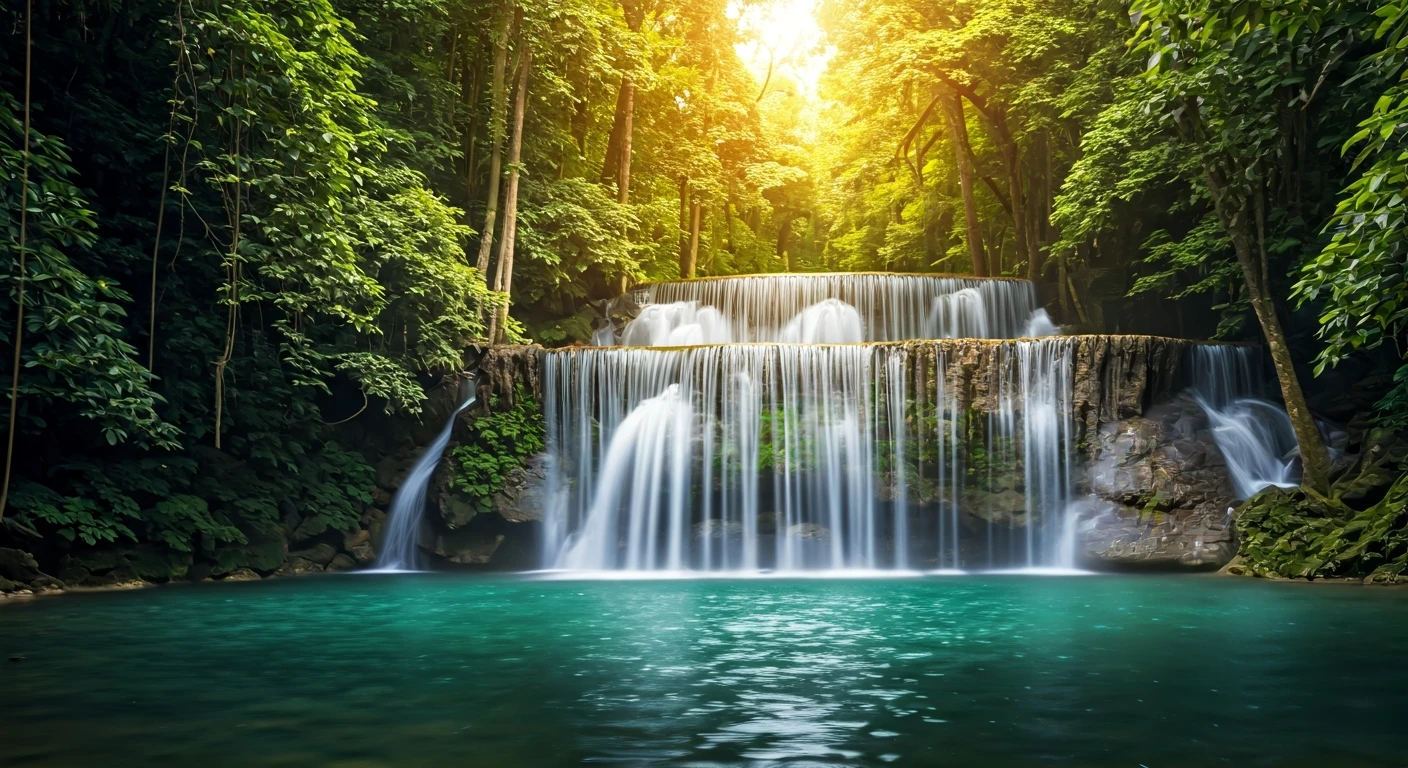
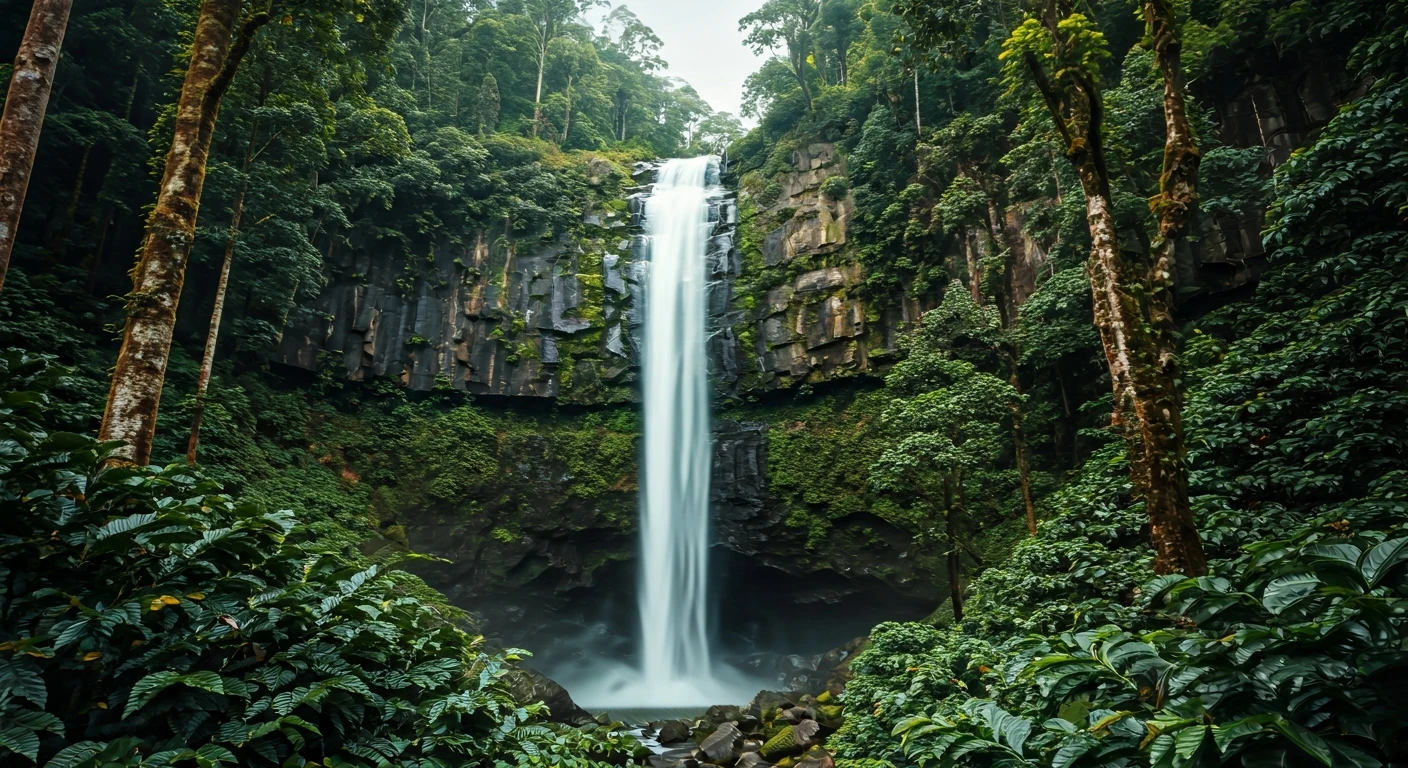
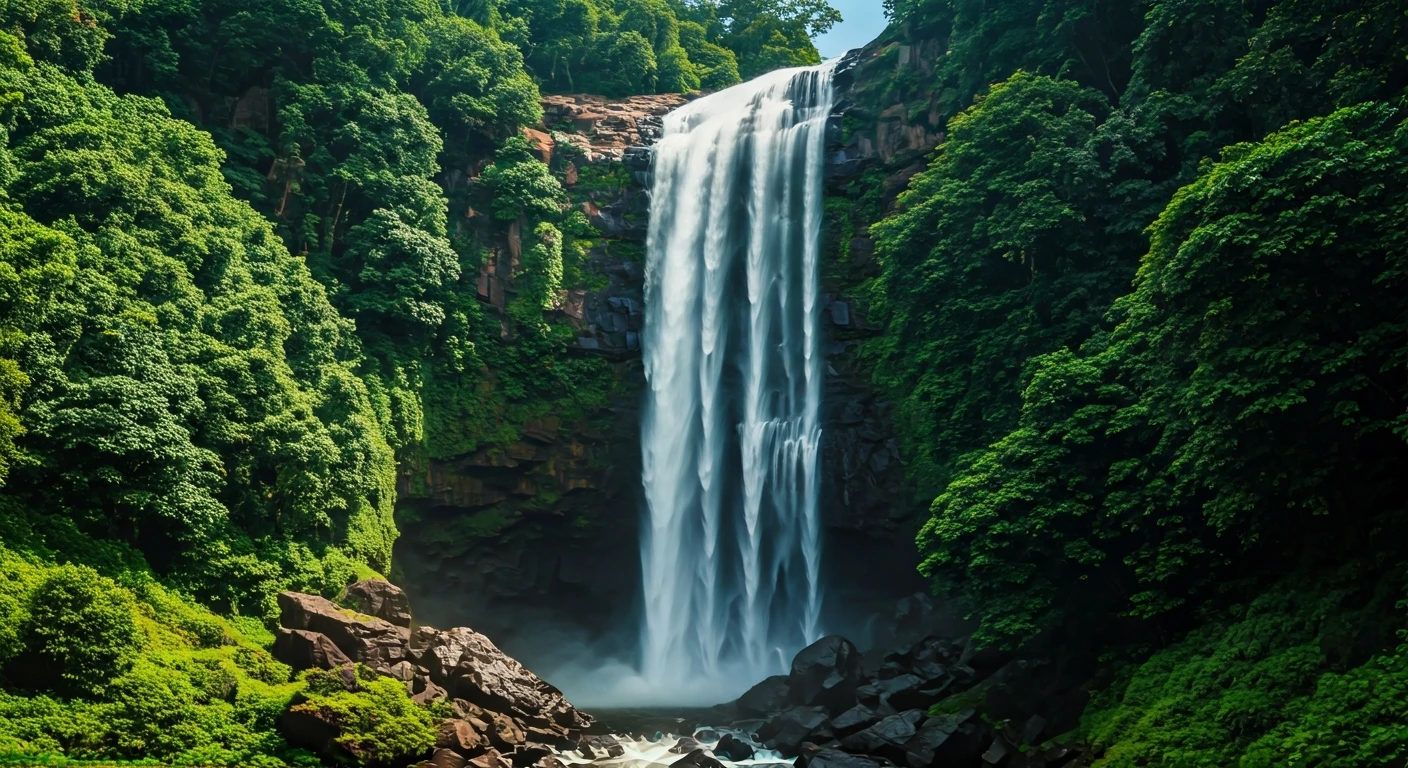
The crown jewel of Goa’s monsoon season is, without question, Dudhsagar Falls. The name translates to “Sea of Milk,” and the sight lives up to its poetic title. Located on the Mandovi River inside the Bhagwan Mahaveer Sanctuary and Mollem National Park, this four-tiered waterfall isn’t a gentle cascade; it’s a thundering spectacle. During the monsoon, rainwater swells the river, and Dudhsagar roars to life, plunging over 1,000 feet in a torrent of white foam against a backdrop of dark, wet rock and emerald forest. Reaching it is part of the adventure, often involving a rugged jeep journey through muddy tracks and shallow river crossings. A railway line improbably traverses the falls midway up, and the sight of a train slowly crossing the bridge as mist billows around it is one of India’s most iconic travel images.
A Symphony of Cascades
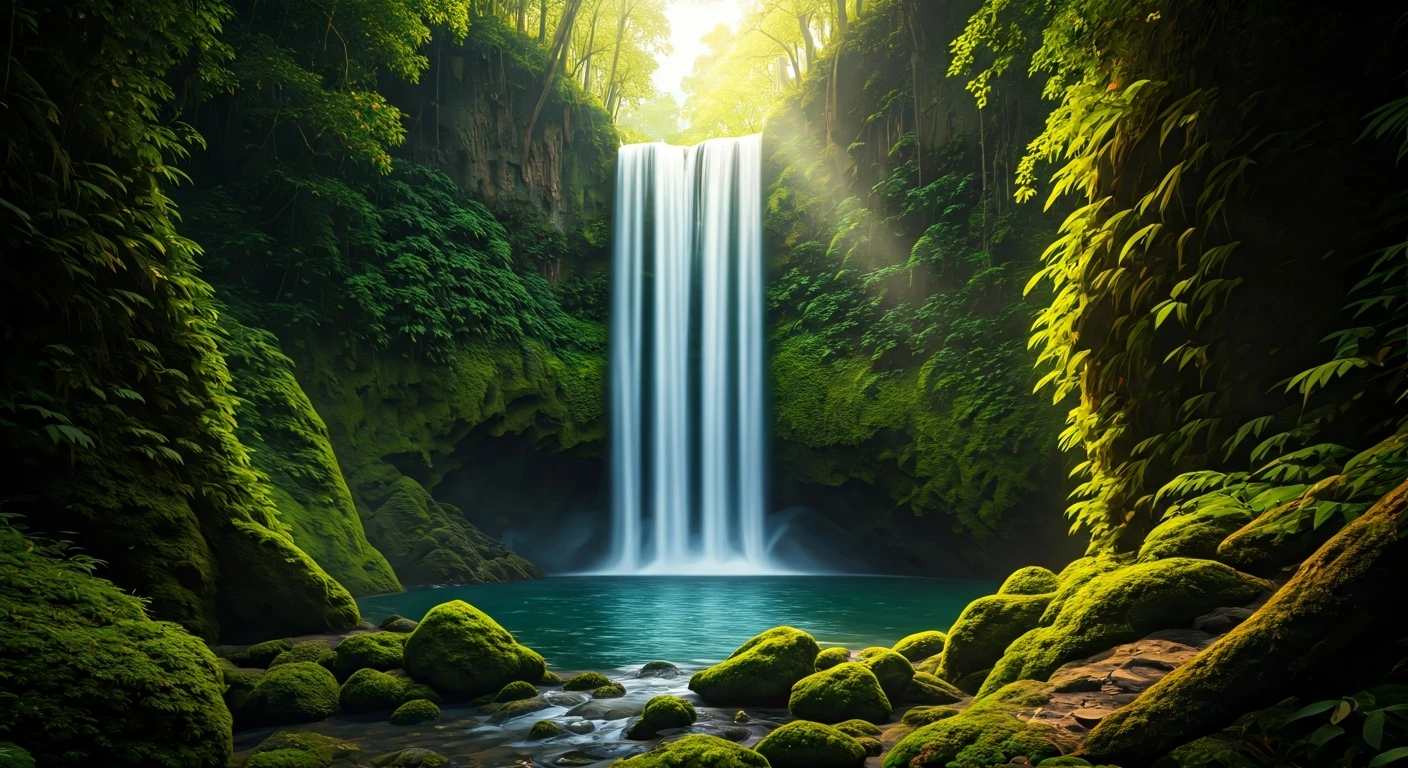
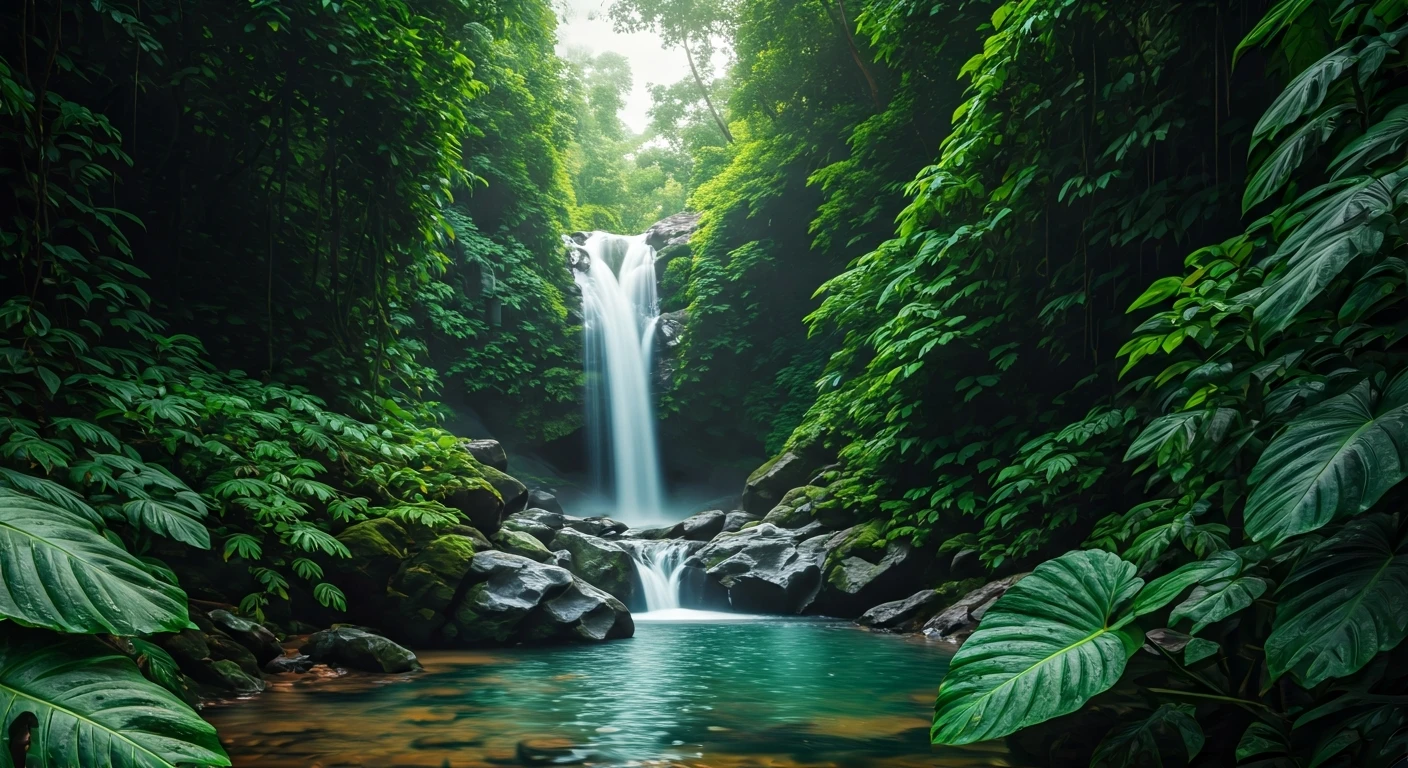
While Dudhsagar is the headliner, it’s far from the only performer in Goa’s monsoon show. The state is dotted with dozens of other falls, each with its own character. Tambdi Surla Falls, hidden deep within a wildlife sanctuary, requires a trek through dense jungle, rewarding hikers with a secluded and powerful cascade next to a remarkably preserved 12th-century temple. Near the northern town of Bicholim, Harvalem Falls is more accessible, cascading down a broad rock face into a pool that locals treat as a sacred bathing spot. These waterfalls become the social and scenic hubs of the season. Families and groups of friends make pilgrimages, armed with picnics and an appreciation for nature’s raw power. The air is filled with the sound of rushing water, the scent of petrichor—the earthy smell of rain on dry soil—and a palpable sense of renewal.
The Rhythm of Rain
The monsoon mood board isn’t just about the waterfalls themselves. It’s about the entire ecosystem that springs up around them. It’s the vibrant, almost fluorescent green of the paddy fields, where farmers work under dramatic gray skies. It’s the cozy feeling of ducking into a small, roadside shack for a cup of hot chai and some spicy pakoras (fried fritters) while the rain drums on the tin roof. The pace of life slows. The frantic energy of the tourist season is replaced by a more contemplative, local rhythm. The Goan philosophy of “susegad”—a unique concept of contented, relaxed living—feels most authentic during these months. It’s a time for reading, for long drives through winding, empty roads, and for simply watching the world get a much-needed drink.