




Source Your Starter Rhizome
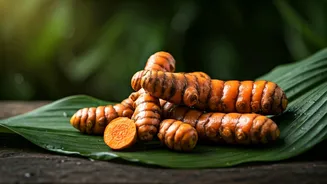
Your journey begins with a single piece of turmeric, known as a rhizome. You can often find these in the produce section of well-stocked grocery stores or at Asian markets. Look for a firm, plump rhizome with several buds, which look like little nubs
or eyes on the surface. Organic is best, as non-organic ginger and turmeric are sometimes treated with a growth inhibitor to prevent sprouting on the shelf. If you can't find a good one at the store, you can always order starter rhizomes from a seed company or online nursery, which guarantees they are ready for planting.
Choose the Right Pot and Soil
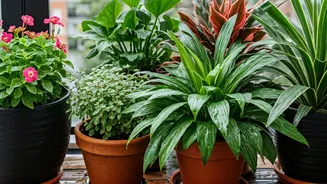
Turmeric needs room to spread its roots, so don't skimp on pot size. A five-gallon pot (around 12-14 inches in diameter) is a good starting point for a single rhizome. Ensure the pot has excellent drainage holes; turmeric loves moisture but will rot in soggy soil. For your growing medium, a high-quality potting mix amended with compost will do wonders. You want a soil that is rich, loamy, and well-draining. You can create your own by mixing equal parts potting soil, compost, and perlite or coarse sand to improve drainage and aeration.
Wake Up and Plant Your Turmeric
To give your turmeric a head start, you can encourage it to sprout before planting. Place the rhizome in a shallow dish with a little warm water, or simply leave it on a warm, humid kitchen counter for a week or two until you see the buds begin to swell and turn green or pink. Once it has sprouted, it's time to plant. Place the rhizome about two inches deep in your prepared pot, with the buds facing up. If you have a larger rhizome with multiple bud clusters, you can cut it into sections (making sure each section has at least two or three buds) and plant them separately.
Find the Perfect Summer Spot
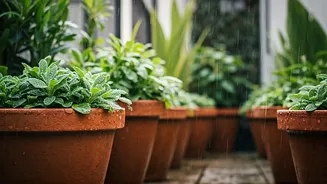
The phrase "monsoon season" in the plant's native habitat clues us in on its needs: warmth and water. In the U.S., this translates to a location that gets at least six hours of sunlight but benefits from some shade during the hottest part of the day, especially in southern climates. Morning sun and afternoon shade is the perfect combination. Turmeric thrives in temperatures between 68 and 95°F. Keep it outdoors during the warm summer months. If you live in a cooler zone, you can still succeed, but you may need to start it indoors earlier to extend the growing season.
Water and Feed Consistently
Once planted, water the soil well. Don't water again until you see the first green shoot emerge from the soil, which can take several weeks. Be patient! Once the plant is actively growing, it becomes quite thirsty. Keep the soil consistently moist but not waterlogged—this is the 'monsoon' effect you're trying to create. Water deeply whenever the top inch of soil feels dry. As a heavy feeder, your turmeric will also appreciate a regular meal. Feed it with a balanced liquid fertilizer every two to three weeks during the peak growing season of summer.
Harvesting Your Golden Reward
Turmeric requires a long growing season, typically 8 to 10 months. You'll know it's getting close to harvest time when the lush, green leaves and stems begin to turn yellow and dry out. This usually happens in the fall as temperatures cool. At this point, stop watering the plant completely and let the soil dry out for about a week or two. Then, the fun begins. Gently tip the pot over onto a tarp or newspaper and carefully dig through the soil with your hands. You'll find a large cluster of fresh, vibrant rhizomes where your single starter piece once was.
Cure and Store for Best Flavor
Don't use your turmeric straight from the ground. Freshly harvested rhizomes need to be cured to develop their full flavor and protective skin. First, gently brush the dirt off the rhizomes (don't wash them yet). Separate the 'mother' rhizome from the 'fingers'. Set them in a dry, airy, and shaded spot for a few days. Once cured, you can store the unwashed rhizomes in the refrigerator's crisper drawer for several weeks or freeze them for long-term use. When you're ready to use one, just give it a good wash, break off a piece, and grate its incredible, earthy flavor into your cooking.