



The Search for Serenity
If you’ve ever found yourself scrolling through images of sun-drenched rooms filled with plants and thinking, “I need that,” you’re not alone. Across the globe, the concept of the home has shifted from a mere living space to a personal sanctuary. And
according to recent online search trends, this movement is powerfully taking shape in India. Search queries for terms like “biophilic design,” “natural materials,” and “wellness interiors” are surging, painting a clear picture of a collective desire to bring the outside in. This isn't just about a fleeting Pinterest trend; it’s a reflection of a deeper cultural mood. People are actively seeking to create environments that calm the mind, soothe the soul, and offer a tangible disconnect from the pressures of modern urban life. The home is being reimagined as an active participant in well-being, a place designed not just for function, but for feeling.
From Concrete Jungles to Indoor Oases
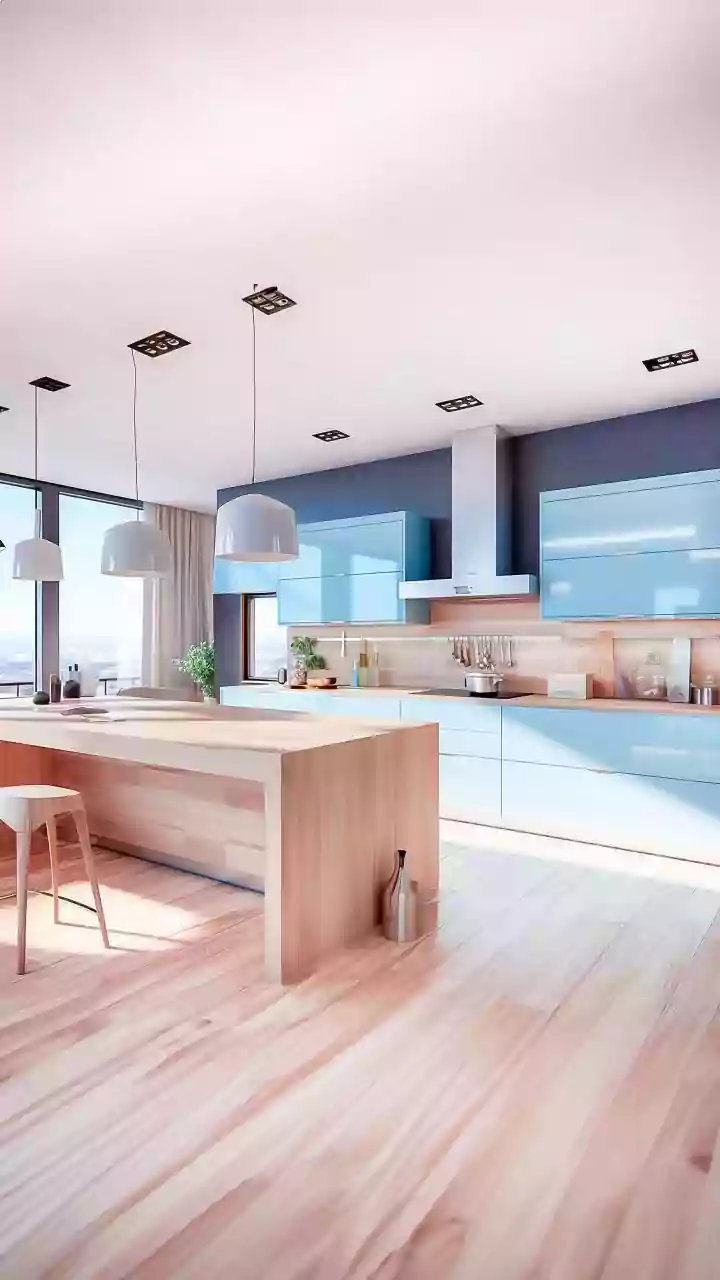
So, what’s driving this shift? For many in India’s bustling metropolitan centers, life is a high-octane mix of ambition, traffic, and noise. The pandemic amplified the need for a domestic escape hatch, a space that could serve as an office, gym, and retreat all at once. This intense period of indoor living forced a re-evaluation of our surroundings. The sterile, minimalist look that once felt modern suddenly seemed cold and uninviting. In its place, a craving for warmth, texture, and life has emerged. The “wellness home” trend in India is a direct response to this. It’s about counteracting the harshness of the concrete jungle with the softness of nature. It’s a conscious decision to curate a home that actively reduces stress and promotes a sense of peace, using design as a tool for mental health.
A Modern Return to Roots
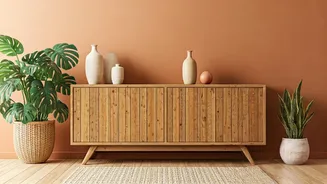
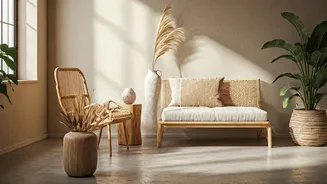
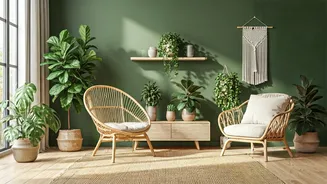
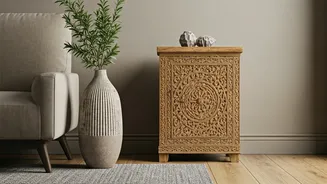
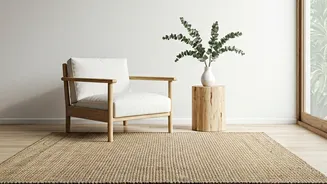
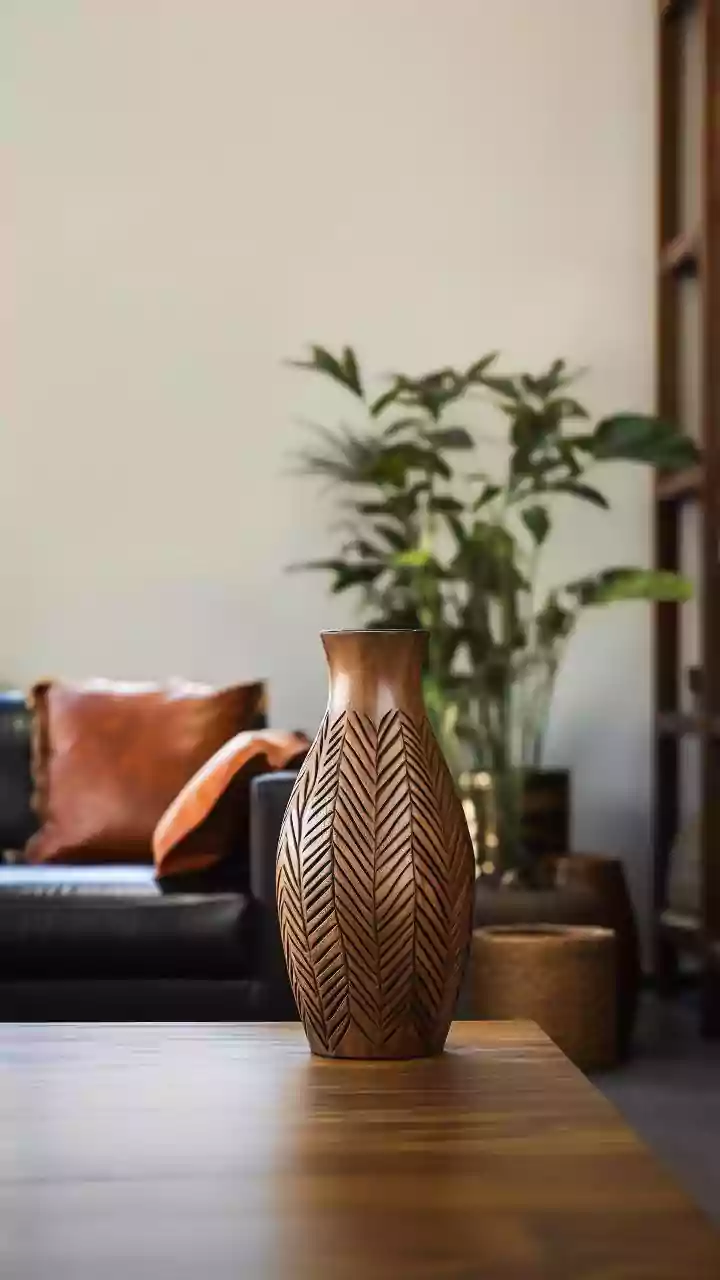
While this trend resonates with global movements like biophilia (our innate need to connect with nature), the Indian expression of it is uniquely rooted in local heritage. This isn’t about importing a foreign concept of wellness; it’s about rediscovering and modernizing a domestic one. The search for “natural decor” leads to a celebration of indigenous materials and craftsmanship. Think furniture made from rattan, cane, and teak; rugs woven from jute and coir; and the earthy presence of terracotta (clay) pots and decor. These materials are not just sustainable and beautiful—they carry stories of tradition and place. This movement also sees a renewed interest in ancient design philosophies like Vastu Shastra, a traditional Hindu system of architecture that emphasizes directional alignments and spatial harmony to promote health, wealth, and happiness. It’s a holistic approach that marries aesthetics with energy, form with feeling.
What the Wellness Home Looks Like
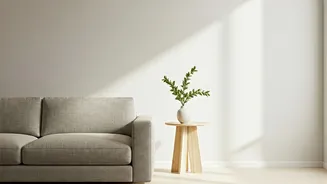
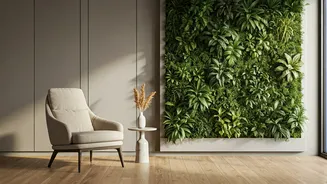
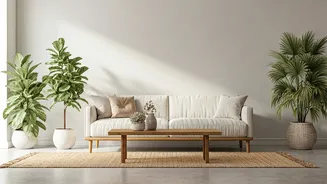
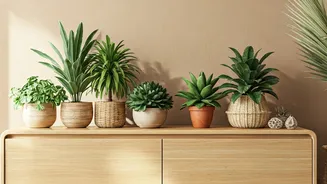
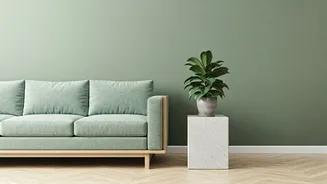
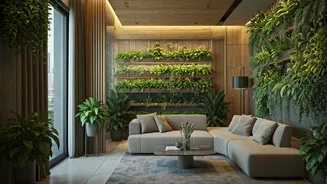
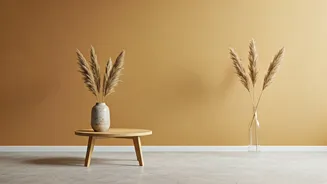
In practice, this aesthetic is warm, tactile, and deeply personal. It moves away from sharp lines and mass-produced uniformity, favoring instead the perfectly imperfect. Rooms are bathed in natural light, with large windows and sheer curtains. The color palette is drawn from the earth: shades of terracotta, ochre, sage green, and warm beige create a soothing backdrop. Greenery is essential, with an abundance of indoor plants like snake plants and palms not just for decoration, but for their air-purifying qualities. Textiles play a huge role, with hand-loomed cotton, block-printed linens, and soft wool throws adding layers of texture and comfort. The overall effect isn't minimalist in the stark Western sense, but rather a form of curated simplicity—a space that feels uncluttered yet rich, and lived-in yet serene.