

Beyond the Crowded Hotspot
For decades, the classic American vacation involved a packed itinerary: theme parks, bustling cities, or beach resorts where the main activity is jockeying for a lounge chair. But a quiet rebellion is underway. Travelers are increasingly trading tourist-choked
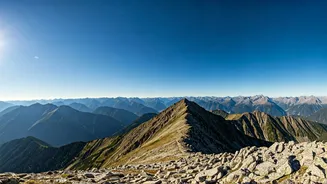
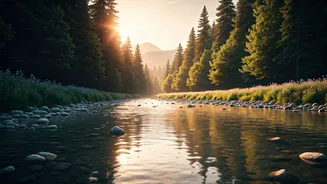
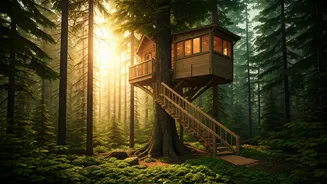
landmarks for the unfiltered tranquility of the natural world. A nature-first getaway isn't about roughing it in a tent (though it certainly can be). It’s a philosophical shift. It means prioritizing immersion in a natural environment—be it a forest, a desert, a mountain, or a coastline—over man-made attractions. Instead of a checklist of sights, the goal is a state of being. The 'main event' might be the sound of a river from your cabin porch, the scent of pine on a morning hike, or the unparalleled spectacle of a starry sky, far from city lights. This approach redefines a successful trip not by how much you did, but by how much you were able to let go.
The Ultimate Mental Health Reset
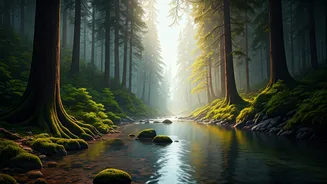
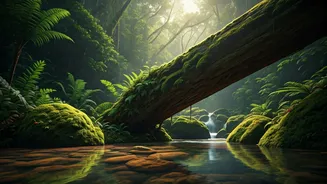
Here's where the 'smart' part really clicks in. The science is overwhelming: spending time in nature is one of the most effective ways to combat stress, anxiety, and mental fatigue. The Japanese practice of *shinrin-yoku*, or 'forest bathing,' has been shown to lower cortisol (the stress hormone), reduce blood pressure, and improve mood. You don't need to be a scientist to feel it, though. It’s the calm that settles over you when you're walking under a canopy of trees, the focus required to navigate a rocky trail, and the sense of perspective gained from feeling small next to a giant redwood or a vast canyon. In a world of constant digital pings and information overload, unplugging in a natural setting isn't an escape from reality; it’s a powerful tool for reconnecting with it—and with ourselves. A nature-first trip is an investment in your mental well-being that pays dividends long after you've returned home.
A Lighter Footprint, A Deeper Connection
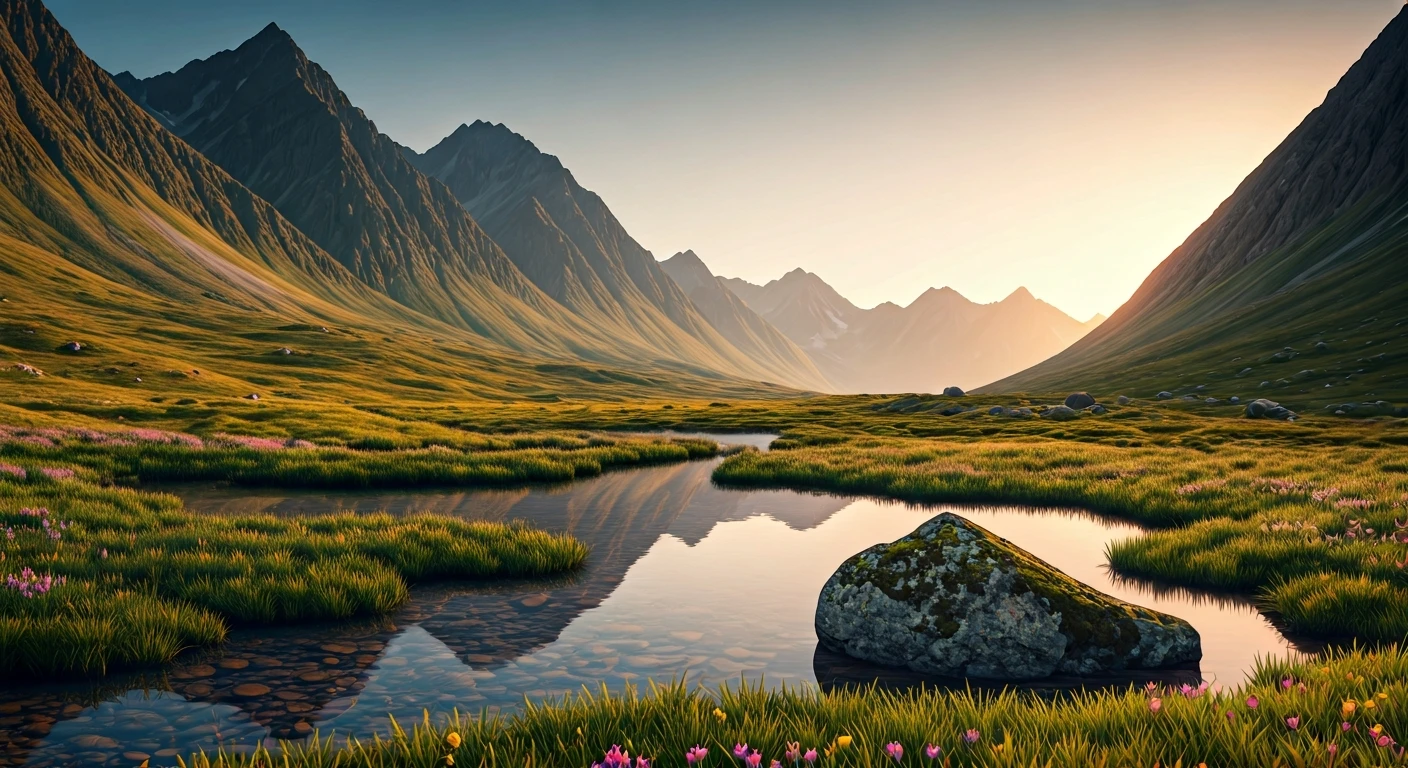
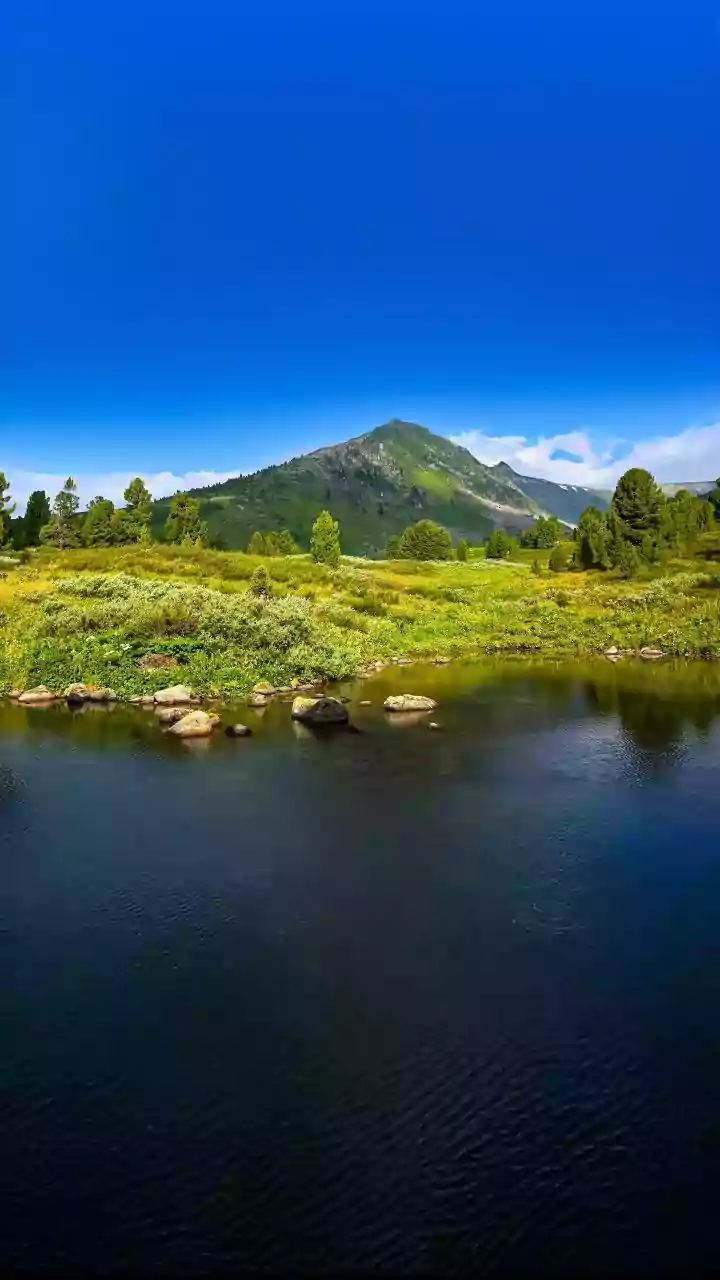
The travel industry is a massive contributor to global carbon emissions. A 'smart' holiday is increasingly one that is also sustainable. Nature-first getaways inherently encourage a lower-impact approach. Choosing a national park, a state forest, or a designated wilderness area often means supporting conservation efforts directly through fees and local spending. Activities like hiking, kayaking, bird-watching, and stargazing have a minimal environmental footprint compared to resource-intensive resorts or cruise ships. This style of travel also fosters a deeper appreciation for the ecosystems we visit, turning us into better stewards of the planet. When you've witnessed the serene beauty of an alpine lake or the rugged resilience of a desert landscape, the fight to protect those spaces becomes personal. It's a way to enjoy the world without consuming it.
Finding Luxury in Simplicity and Space
The word 'getaway' doesn't have to be synonymous with 'expensive.' While luxury eco-lodges certainly exist, the beauty of nature-first travel is its accessibility. Some of the most profound experiences can be found by camping in a state park for a few dollars a night, renting a modest cabin, or simply taking a day trip to a nearby trail. The luxury here isn't a five-star hotel; it's space, silence, and solitude. In the post-pandemic era, the appeal of avoiding crowds has become a permanent fixture in travel planning. A remote trail offers a more compelling sense of freedom than a crowded hotel pool. This shift re-calibrates our definition of value. We’re moving away from valuing opulent amenities and toward valuing authentic experiences and the priceless commodity of peace and quiet.