





More Than Just Steps
Forget the utilitarian drudgery of hitting a 10,000-step goal on your fitness tracker. The new walking movement is about intention, not just mileage. It has been rebranded, repackaged, and reclaimed as a legitimate form of self-care and social connection.
We see it in the rise of the 'hot girl walk,' a TikTok-fueled phenomenon that’s less about fitness and more about a mental-health cocktail of fresh air, a good podcast, and confidence. We see it in 'silent walks,' where friends or groups stroll together without speaking, sharing a communal experience of their surroundings. Even the corporate world is catching on, with 'walking meetings' trading the stale boardroom for a sunlit park path. This isn't just ambulatory movement; it's a mindful practice that has shed its reputation as a low-effort afterthought and become a primary, celebrated activity.
A Reaction to Burnout Culture
So, why now? The explosion of walking’s popularity is a direct and powerful reaction to the high-intensity, hustle-and-grind culture that defined the 2010s. For years, the wellness industry sold us on punishing, expensive, and exclusive workouts. The message was clear: if you weren't sweating through a HIIT class or contorting yourself in hot yoga, you weren't trying hard enough. The pandemic shattered that illusion. Confined to our homes and neighborhoods, we rediscovered the simple, profound joy of a neighborhood stroll. It was free, accessible, and offered a desperately needed break from the claustrophobia of lockdown and the anxiety of the news cycle. Walking became a gentle antidote to collective burnout—a low-stakes activity in a high-stakes world. It represents a quiet rebellion against the idea that wellness has to be complicated or costly.
The Rise of 'Soft Wellness'
Walking is the poster child for a broader cultural shift towards 'soft wellness'—an approach that prioritizes gentleness, consistency, and mental well-being over extreme physical feats. Unlike running, which can be hard on the joints, or weightlifting, which requires technique and equipment, walking is universally accessible. It meets you where you are, regardless of age, fitness level, or income. This inclusivity is a major part of its appeal. The trend is supported by an entire ecosystem of products, from the viral under-desk walking pads that allow remote workers to stay active, to the boom in stylish, comfortable footwear that blurs the line between athletic gear and fashion. The message has shifted from 'no pain, no gain' to 'move your body in a way that feels good.' Walking, it turns out, feels very good.
A Space for Thought and Connection
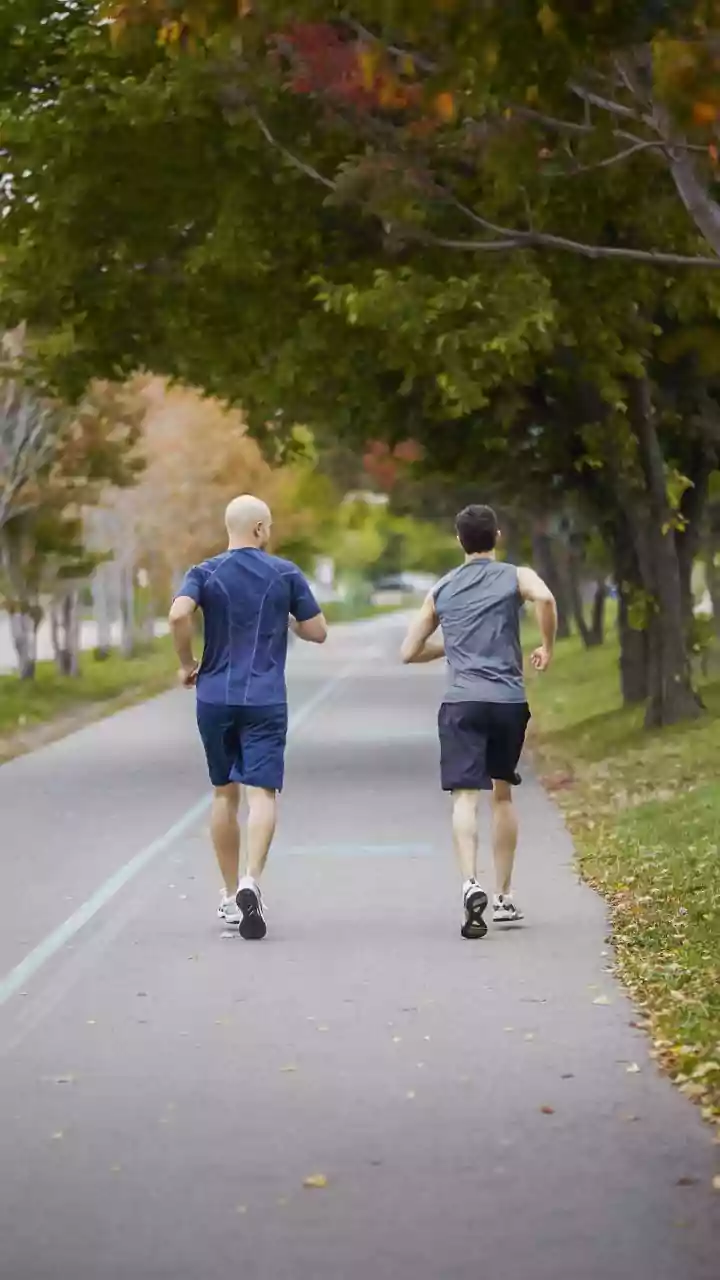
Beyond the physical benefits, walking’s resurgence is rooted in our psychological needs. In a world saturated with digital noise, a walk offers a rare opportunity for disconnection—or a different kind of connection. It creates a liminal space for processing thoughts, listening to an entire album without interruption, or catching up on a podcast. It’s a socially acceptable form of public solitude. At the same time, it’s one of the best platforms for genuine human connection. A side-by-side stroll eliminates the pressure of direct eye contact, often leading to more open and honest conversations than a face-to-face coffee meeting. It facilitates a rhythm of talk and silence that feels natural, strengthening bonds with friends, partners, and family one step at a time.