






The Myth of 'Pet-Friendly'
For millions of American pet owners, the phrase “pet-friendly hotel” is both a beacon of hope and a source of deep suspicion. We see the label and imagine a seamless travel experience, but the reality is often a gauntlet of frustrating contradictions.
The problem starts with the ambiguity. A hotel might advertise as “pet-friendly” on a booking site, only for you to discover on their own website’s fine print that this applies to a single 15-pound dog, with a non-refundable $150 cleaning fee, in a specific room type that happens to be sold out. This isn’t hospitality; it’s a bait-and-switch. The fees are particularly galling. While a reasonable charge to cover potential extra cleaning is understandable, many hotels levy hefty, non-refundable fees that feel punitive. A one-night stay can suddenly double in price, punishing a traveler with a well-behaved, non-shedding poodle the same as one with a mud-caked, shedding St. Bernard. This one-size-fits-all approach to fees ignores the reality that the vast majority of traveling pets cause no more wear and tear than a toddler with a juice box.
Rules That Punish Good Owners
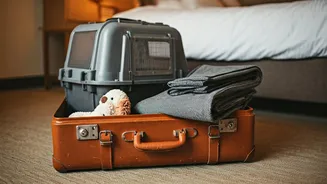
Even more frustrating than the fees are the rules that seem completely disconnected from reality. The most common and counterproductive is the blanket “no pets left unattended in the room” policy. On its face, it sounds responsible. In practice, it’s a nightmare. It means you can’t go to the hotel restaurant, use the pool, or run out for a quick errand without either crating your pet in a hot car (a dangerous and irresponsible choice) or taking them with you to a place they aren’t allowed. This rule forces responsible owners into impossible situations. A well-adjusted dog, happy and quiet in a travel crate, is far less of a nuisance than a stressed dog being dragged through a lobby it doesn't want to be in. Instead of preventing problems, this policy often creates them, leading to anxious pets and resentful owners. Similarly, arbitrary weight limits (why is a 51-pound Golden Retriever a threat, but a 49-pound one is fine?) and breed restrictions ignore the common-sense truth that behavior is about individual training and temperament, not a number on a scale or a breed stereotype.
What Actually Helpful Policies Look Like
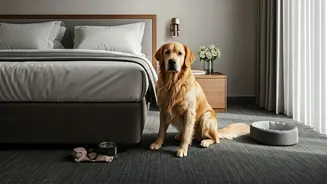
So what’s the alternative? It’s not a free-for-all. It’s about creating smart, clear, and genuinely helpful policies. First, transparency is key. Be upfront about fees, rules, and any restrictions on the main booking page, not buried three clicks deep. A tiered fee structure—a smaller fee for a short stay, perhaps waived for elite members—would feel much fairer. Truly helpful hotels go further. Brands like Kimpton have built a loyal following by getting this right for years. They often have no size or weight restrictions and charge no extra fees. They understand the goal is to manage behavior, not penalize presence. A truly helpful policy would offer resources: a map of nearby dog parks, the number for a local dog-walking service for guests who need to be away for a few hours, or even just a welcome kit with a water bowl and some waste bags. Designating a specific, easily accessible outdoor area for pet relief is a simple touch that shows you’ve actually thought about the logistics. These aren't expensive amenities; they are signals of genuine welcome.
The Business Case for Better Rules
This isn't just about making pet owners happy; it’s a smart business strategy. More than two-thirds of U.S. households own a pet, and a growing number of them consider their pets family members they want to travel with. This is a massive, affluent, and loyal market segment. The hotel that becomes known as the go-to spot for pet lovers in a given city will win repeat business and powerful word-of-mouth advertising. By creating confusing and punitive rules, hotels are leaving money on the table and fostering ill will. A family that has a bad experience at one property in a chain might write off the entire brand for future travel, with or without their pet. Conversely, a hotel that provides a genuinely positive experience earns a customer for life. In a competitive hospitality market, embracing the pet-travel trend with thoughtful, practical policies is not a cost center—it’s a powerful competitive advantage.