
When 'Organic' Went Global
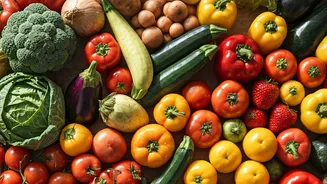
For decades, the USDA Organic seal was the gold standard of conscious consumption. It was a clear, simple signal: you were eating 'better.' We filled our carts with organic bananas from Ecuador, organic avocados from Mexico, and organic berries from Chile,
feeling virtuous with every purchase. The problem? As the organic market ballooned into a multi-billion-dollar industry, it became a victim of its own success. That organic sticker didn't say anything about the thousands of 'food miles' the product traveled, the carbon footprint of its journey, or the labor practices on a massive corporate farm thousands of miles away. The symbol of mindful eating had become just another global commodity, often tasting no better than its conventional counterpart after a long, refrigerated trip.
The Real Value of 'Right Here, Right Now'
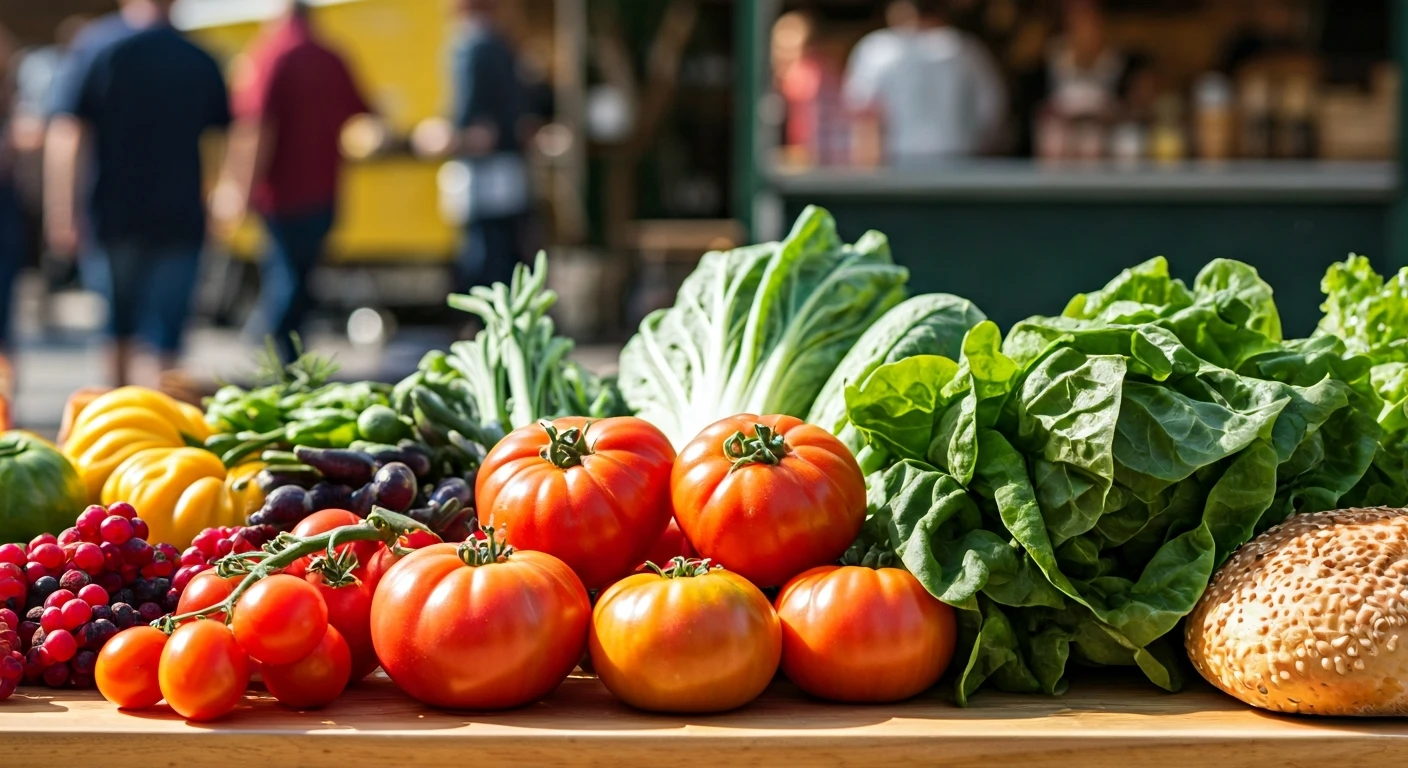
The new sustainable flex is a quiet rebellion against this placelessness. It’s a shift in focus from what the food is (a certified product) to where and when it’s from. A tomato grown in your own state and picked last week tastes fundamentally different—and better—than one picked green a month ago and shipped across the continent. Eating seasonally and locally closes the gap between you and your food source. The 'flex' isn't just about superior flavor; it’s about a richer set of values. You’re supporting a local farmer, a neighbor whose name you might actually know. You’re keeping money within your community’s economy. You’re eating food that is fresher, more nutrient-dense, and required far less fossil fuel to get to your plate. It's a holistic win that a simple sticker can't capture.
The New Status Symbols
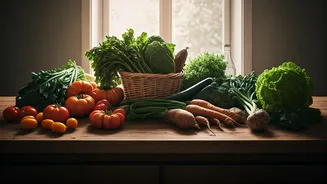
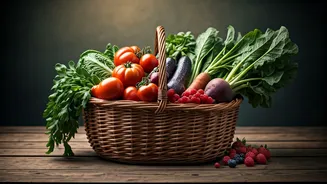
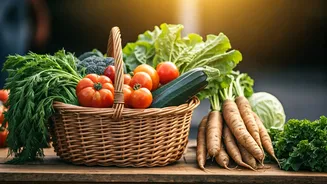
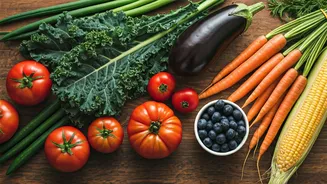
So what does this flex look like in practice? It’s less about posting a picture of a fancy restaurant dish and more about a shot of your Community Supported Agriculture (CSA) box, overflowing with quirky-looking but incredibly fresh vegetables. It’s the quiet pride in knowing the fleeting, two-week season for local asparagus and getting it at its peak. It's about serving a salad at a dinner party and casually mentioning, 'The greens are from my garden,' or 'I got these from Sarah at the farmers’ market this morning.' This isn't about bragging about wealth, but about bragging about knowledge, connection, and taste. The ultimate flex is jarring your own perfect summer tomatoes to enjoy in the dead of winter—a delicious protest against the bland, pale imitations at the supermarket. It signals resourcefulness, planning, and a deep appreciation for the cycles of nature.
Beyond the Farmers' Market
This movement is more than just a foodie trend; it's a reflection of a broader cultural desire for authenticity and connection. In a world dominated by global supply chains and digital detachment, anchoring our plates to a specific place and time offers a powerful sense of grounding. It’s a tangible way to participate in your local ecosystem, both environmental and economic. Restaurants have caught on, with menus that proudly list their farm partners. Grocery stores are increasingly highlighting local producers. This isn't about purity or perfectionism. It doesn't mean you can never eat a banana again. Instead, it’s about making a conscious, joyful shift where you can, celebrating the abundance of your own region, and rediscovering the simple, profound pleasure of eating food that tastes like it’s from somewhere.