



So, What Changed?
For years, the “ethnic” food aisle felt like a culinary time capsule. When it came to Indian food, options were often limited to a few predictable sauces and maybe a pouch of lentils that tasted more of preservatives than spices. But a perfect storm of cultural
and consumer shifts has changed the game. First, American palates have grown significantly more adventurous, thanks to a generation raised on food blogs, travel shows, and diverse local restaurants. We’re no longer just looking for “curry”; we’re seeking out regional specialties like Goan vindaloo or Punjabi chana masala. Second, the demand for convenience hasn't slowed, but the definition of it has evolved. Consumers now want quick meals that don’t compromise on quality, health, or flavor. The new guard of Indian ready-to-eat (RTE) brands heard this loud and clear, focusing on better ingredients, cleaner labels, and authentic recipes that taste like they were made in a home kitchen, not a factory.
The New Class of Brands
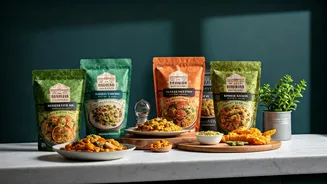
The success of this category isn't accidental; it's driven by brands that have cracked the code. Pioneers like Tasty Bite, owned by Mars, proved there was a mass market for shelf-stable Indian vegetarian dishes. Their ubiquitous purple pouches became a gateway for many Americans. Now, a new tier of companies is elevating the experience. Brands like Saffron Road offer certified-halal frozen entrées, expanding the market to more consumers. Sukhi's Indian Cuisine, which started in the Bay Area, brings restaurant-quality recipes to the freezer section, from Chicken Tikka Masala to Vegan Korma. Smaller, direct-to-consumer upstarts like The Cumin Club are taking it a step further, offering meal kits with freshly ground spices from different Indian regions, promising authenticity you can’t get from a foil pouch alone. These companies aren't just selling food; they're selling an experience and a story rooted in genuine culinary tradition.
From Niche Aisle to Mainstream Cart
Perhaps the most telling sign of this “moment” is where you’re finding these products. It used to be that securing a good ready-made dal or biryani required a trip to a dedicated Indian grocer. Today, these meals are commanding prime real estate in the freezer and international aisles of mainstream supermarkets like Whole Foods, Target, and Kroger. This retail expansion is both a cause and an effect of the trend. As large retailers see sales data trending upward, they dedicate more shelf space, which in turn exposes more shoppers to the category. It creates a virtuous cycle where accessibility breeds familiarity, and familiarity breeds demand. This shift also reflects the growing influence of the Indian diaspora, whose purchasing power and cultural footprint have helped push these flavors from the margins to the center of the American plate.
A Quick Guide to Your Options
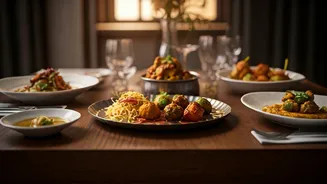
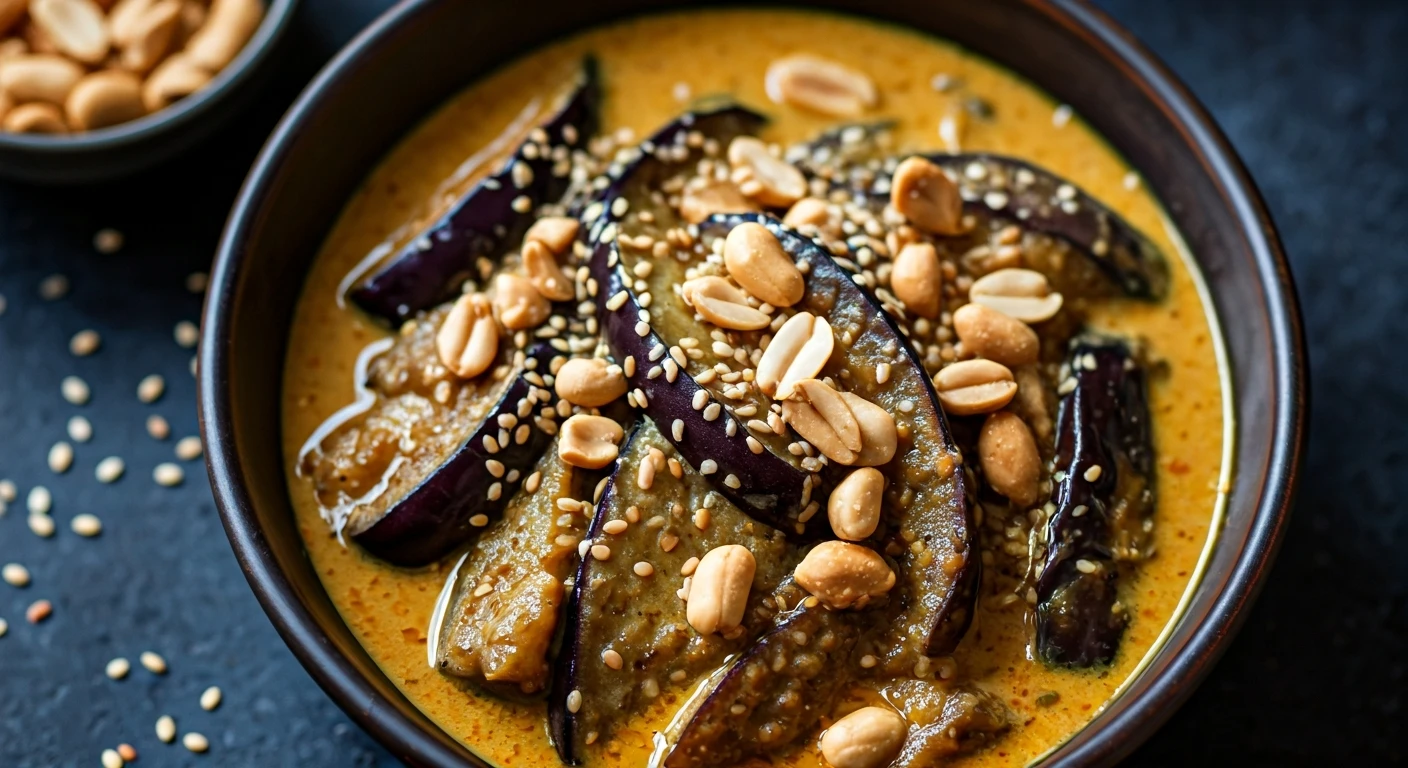
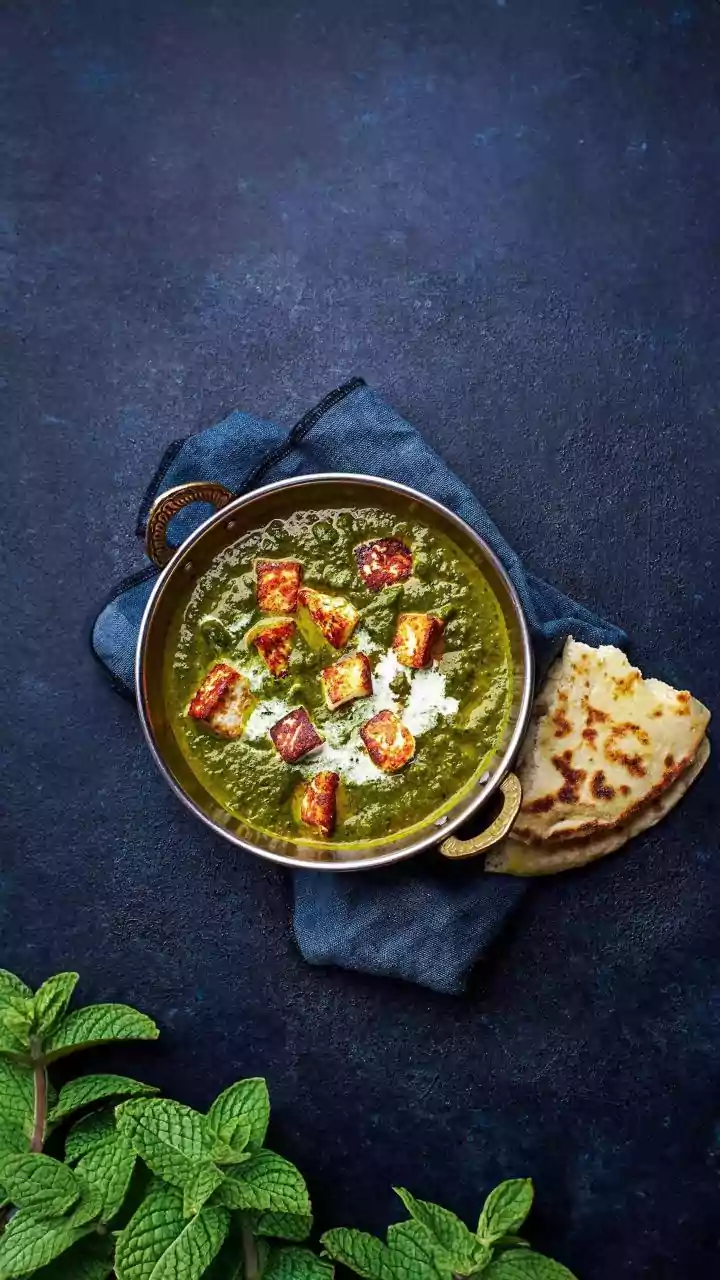
If you're new to the scene, the variety can be daunting. But most brands offer a greatest-hits collection of Indian cuisine that's easy to love. Look for Chana Masala, a hearty and flavorful chickpea stew in a tomato-onion base that’s almost always vegan. Dal Makhani is a rich, creamy lentil dish that’s pure comfort food, perfect with a side of rice. For something with chicken, you can’t go wrong with Chicken Tikka Masala, featuring tender chicken in a creamy, spiced tomato sauce. And if you see Palak Paneer, give it a try; it’s a popular vegetarian dish of soft cheese cubes in a flavorful pureed spinach sauce. Most of these meals are designed to be paired with rice (like basmati) or an Indian flatbread (like naan), which are often sold separately but in the same aisle.