







Meet the Modern Tiffin
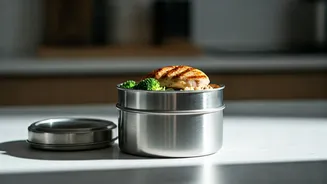
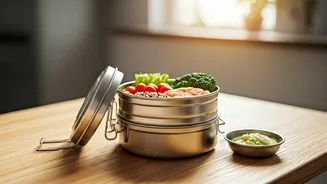
Forget the single-compartment plastic tubs staining your cabinets. The modern tiffin is a marvel of utilitarian design, typically crafted from gleaming stainless steel. It consists of several individual containers that stack vertically and are locked
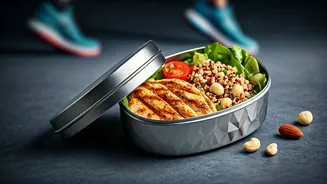
together by a simple clasp. In your colleague’s hands, it looks less like a lunch pail and more like a piece of minimalist sculpture. It’s popping up on the desks of graphic designers and in the gear bags of CrossFit enthusiasts, filled not with dal and roti, but with quinoa, grilled chicken, and precisely measured portions of steamed broccoli. This isn't your grandfather's lunchbox; it's a statement piece for the meal-prepping generation.
The Original Meal Delivery System
To understand the tiffin’s new appeal, you have to look at its origins. For over a century in India, the tiffin has been the backbone of a legendary lunch delivery network. In Mumbai, an army of couriers known as *dabbawalas* pick up freshly prepared, multi-tiered tiffins from homes each morning and deliver them, still warm, to offices across the sprawling city. It’s a system of incredible logistical complexity, celebrated for its near-perfect accuracy and its reliance on human ingenuity over technology. The traditional tiffin was designed for this purpose: to keep different dishes separate, to be durable enough for daily transit, and to carry a complete, home-cooked meal in a compact, portable form. It was the original meal-prep solution, long before the term ever existed.
The Wellness Rebrand
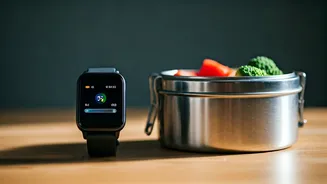
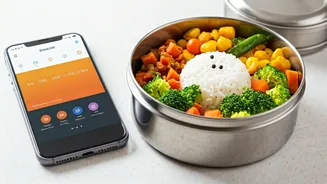
The tiffin’s leap into American fitness culture is a classic case of re-contextualization. The makeover is less about changing the object itself and more about rebranding its purpose. Where the original promise was a hot, homemade lunch, the new promise is control. Brands are marketing these containers with buzzwords that resonate with the wellness-conscious: “portion control,” “macro-friendly,” and “BPA-free.” The separate compartments, once ideal for separating a curry from rice and a side of vegetables, are now pitched as the perfect way to keep your protein, carbs, and fats neatly divided. The stainless steel construction isn't just durable; it’s non-toxic and won't absorb the flavors or odors of last week’s salmon. The focus has shifted from the comfort of home cooking to the optimization of personal nutrition.
Why Now? The Meal-Prep Connection
The tiffin’s resurgence is perfectly timed. It taps directly into several dominant American cultural currents. First and foremost is the explosion of meal prepping. As millions of Americans dedicate their Sundays to cooking a week’s worth of meals, they need a better way to transport them. The tiffin is a far more elegant and organized solution than a jumble of mismatched plastic containers. Its vertical design saves space in a crowded work fridge, and the distinct compartments prevent meals from turning into a homogenous mush by lunchtime. It provides the structure and discipline that are at the very heart of the meal-prep philosophy.
More Than Just a Container
Beyond pure utility, the tiffin’s new popularity speaks to a broader desire for sustainability and mindful consumption. As awareness grows about the environmental impact of single-use plastics, a durable, reusable steel tiffin has become a powerful status symbol. It signals a commitment to reducing waste in a way that’s both practical and aesthetically pleasing. There's also an element of the “Marie Kondo effect” at play; in a chaotic world, having a beautifully organized lunch offers a small, satisfying pocket of control. It’s a tool that’s not just for eating, but for living a more intentional, streamlined, and eco-conscious life.