

Embrace the Drama
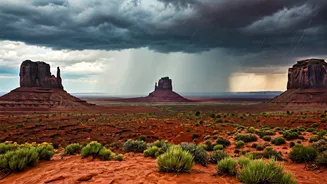
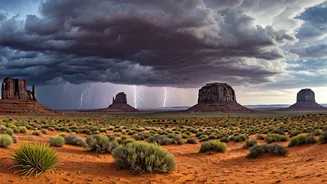
A great monsoon trip starts by reframing the weather. A storm isn’t a ruined afternoon; it's the main event. The season, typically running from mid-June to late September, delivers towering thunderheads that build in the afternoon, casting dramatic shadows
over the landscape before unleashing their torrents. For photographers and sightseers, this is prime time. The skies over places like Sedona, Arizona, or the vast expanse of the Grand Canyon shift from brilliant blue to a bruised, electric purple. When the clouds finally break, they often leave behind double rainbows arching over rain-slicked red rock. The goal isn’t to dodge the rain, but to find a safe and spectacular vantage point to watch the performance. It’s about seeking out the high-contrast light and saturated colors that only exist in the moments just before and after a storm.
Chase the Ephemeral Water
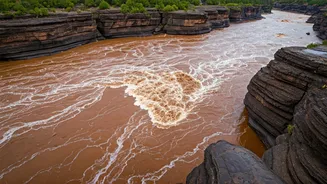
In the desert, rain is life. And during the monsoon, that life appears with breathtaking speed. A key part of a great monsoon trip is witnessing this transformation. Arid landscapes flush with sudden, vibrant green. Dry, dusty riverbeds—known as arroyos or washes—can become roaring, albeit temporary, rivers. This is your chance to see waterfalls in places you’d never expect. In parks like Zion or even Saguaro National Park near Tucson, the runoff creates cascades down canyon walls and slickrock faces that exist for only a few hours. The trick is to know the terrain and have a flexible plan. You might set out to hike a specific trail, only to discover a new, rain-fed waterfall nearby that becomes the day’s true destination. This is the essence of Plan B: letting the environment guide your adventure.
Find the Perfect Cozy Haven
Plan B energy also means knowing when to head indoors. When a storm becomes too intense for outdoor viewing, a great monsoon trip has a roster of compelling indoor alternatives. This isn’t a concession; it’s part of the rhythm. The sudden downpour is the perfect excuse to explore the world-class galleries on Canyon Road in Santa Fe, New Mexico, or duck into a Flagstaff brewery for a locally made pint. It’s an opportunity to find a restaurant with big picture windows and watch the lightning flash over the mountains while you enjoy a leisurely meal. The best monsoon-ready towns offer a rich cultural interior to complement their stunning natural exterior. Think of it as a forced pause—a moment to slow down, absorb the local culture, and appreciate the comfort of a warm, dry space while nature puts on a show outside.
Respect the Power
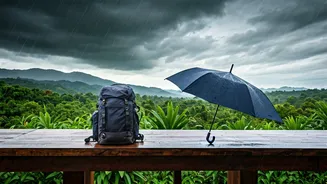
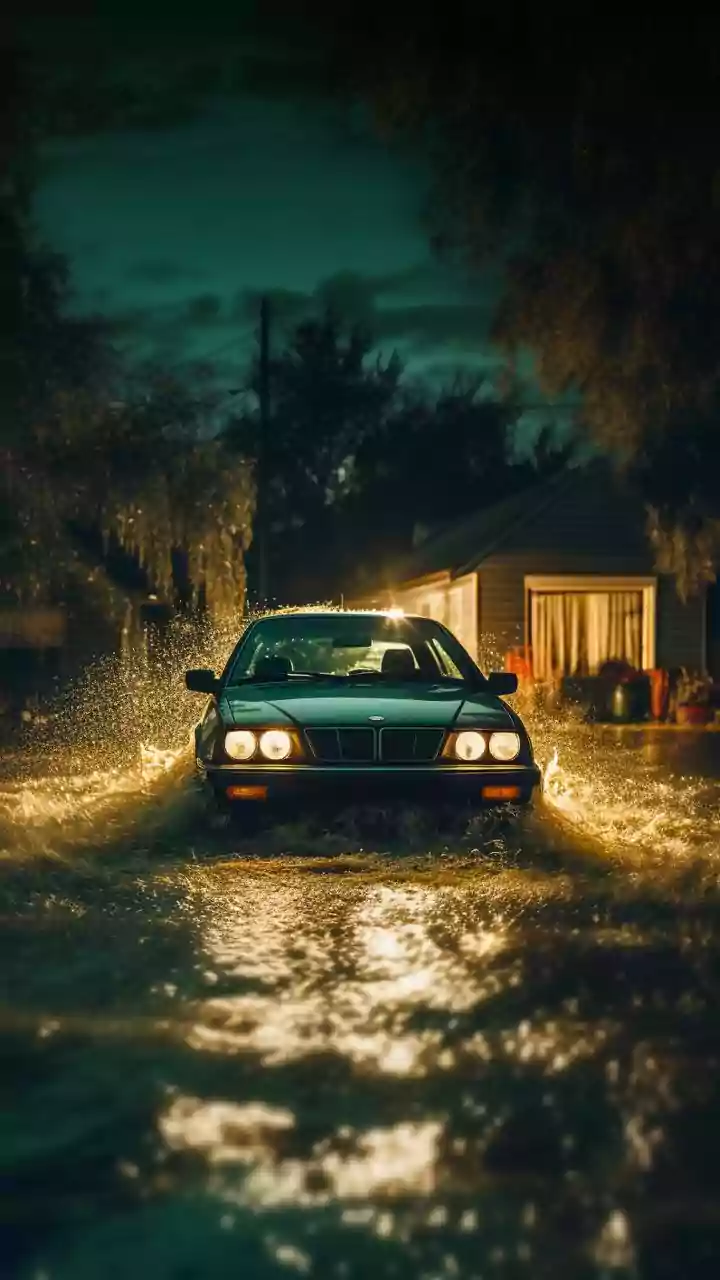
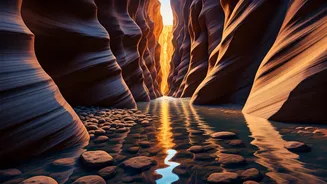
Embracing the monsoon doesn’t mean ignoring its dangers. Plan B energy is smart, not reckless. The same rains that create beautiful waterfalls can also cause deadly flash floods. A clear sky overhead means nothing if a storm is raging miles upstream in your canyon’s watershed. Before setting out, always check the forecast, especially flash flood warnings issued by the National Weather Service. Never cross a flooded wash in your vehicle, and if you’re hiking, stay out of slot canyons and low-lying areas during peak storm hours in the afternoon. Lightning is another serious threat in open landscapes. The old rule stands: “When thunder roars, go indoors.” A great monsoon trip involves packing rain gear, having backup plans, and respecting the raw power you came to witness.
Awaken All Your Senses
Finally, a monsoon trip is about more than just what you see. It’s a full sensory experience. It’s about the smell of petrichor—that distinct, earthy scent released when rain hits dry soil and desert plants like creosote. It’s the sudden, blissful drop in temperature as a storm cell moves in, offering a welcome reprieve from the summer heat. It’s the sound: the distant rumble of thunder, the percussive drumming of rain on a tin roof, and the sudden silence that follows. These trips teach you to pay attention, to be present in the moment, and to appreciate the complex beauty of a process that rejuvenates an entire ecosystem. It’s not just a vacation; it's a recalibration.