


Welcome to the Queen of Hills
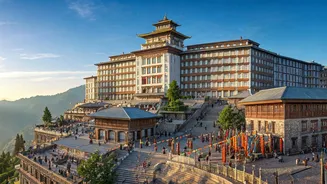
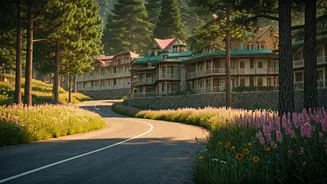
Before you can understand the festival, you have to understand Shimla. Perched at over 7,000 feet, this city is a world away from the bustling plains of India. Its story is written on the Victorian and neo-Gothic facades that line its winding streets.
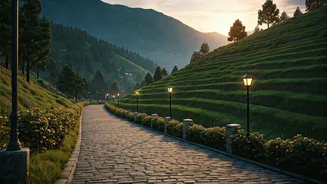
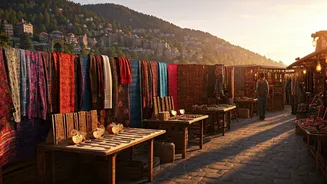
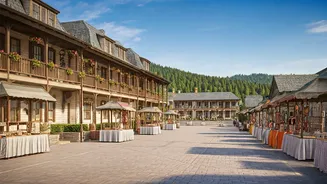
For nearly a century, the entire British Raj would decamp here each summer to escape Delhi's punishing heat. That legacy left Shimla with a unique character: a mountain town with the grandeur of a European capital. The heart of the city is The Ridge, a large open space offering panoramic views of the snow-capped Himalayas, and the adjoining Mall Road, a pedestrian-only thoroughfare lined with shops and cafes. It is on this historic stage that the Shimla Summer Festival unfolds each year, typically in the first week of June, transforming the tranquil mountain retreat into a riot of color and sound.
A Symphony on The Ridge
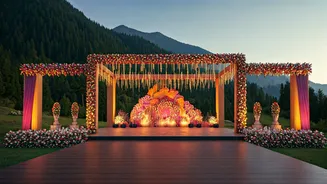
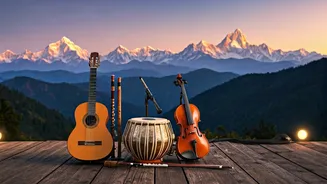
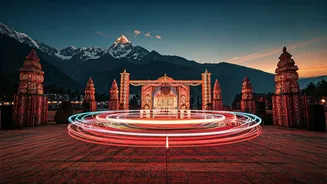
Music is the festival's lifeblood. The main stage on The Ridge becomes a nightly spectacle, drawing thousands of locals and tourists who gather in the crisp mountain air. The lineup is intentionally eclectic, designed to bridge generations and tastes. One night might feature a performance by a nationally famous Bollywood playback singer, their chart-topping hits echoing across the valley. The next might be dedicated to Himachali folk artists, whose traditional instruments and haunting melodies tell stories of mountain life, love, and hardship. You’ll see energetic Nati dance troupes in their colorful woolen costumes, a cultural touchstone of the region. Interspersed are performances by local school children, police bands, and emerging artists, giving the entire event a deeply communal feel. It’s not a polished, exclusive concert; it’s a town-wide celebration where everyone is invited to listen.
A Taste of the Himalayas
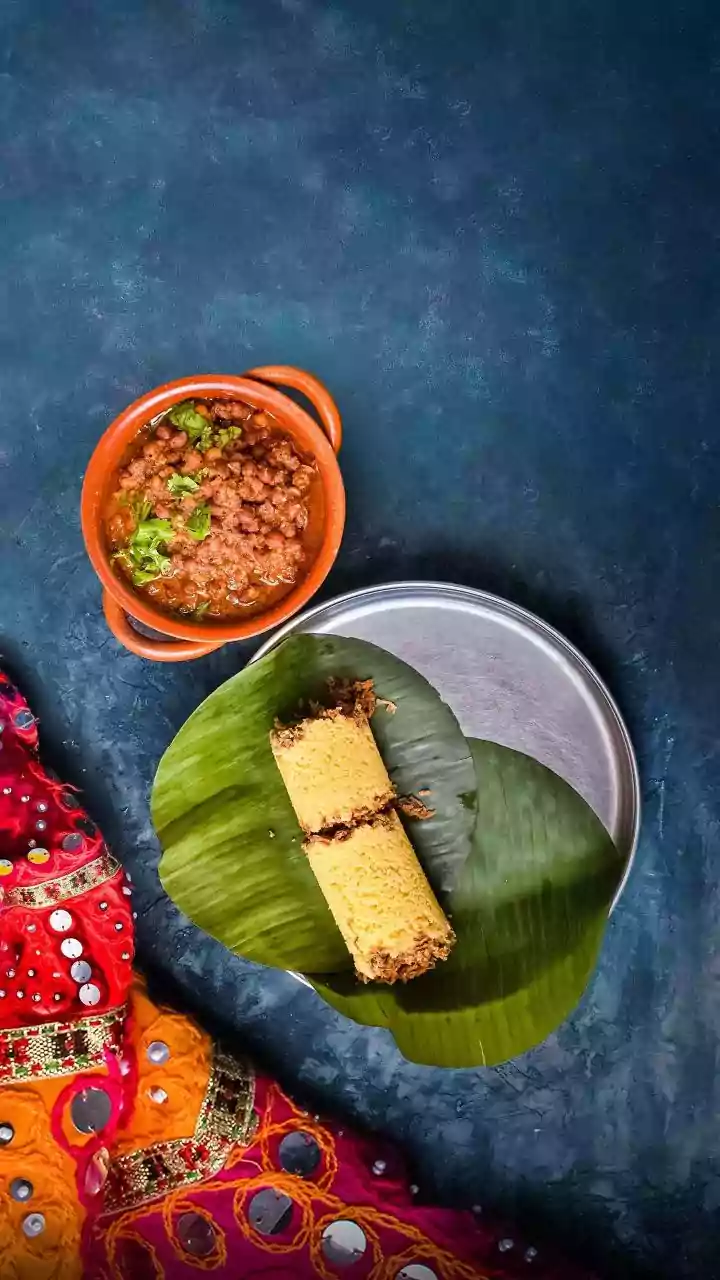
No festival in India is complete without a feast for the senses, and the food stalls that pop up around the festival grounds are a major attraction. While you can find standard Indian street food favorites like chaat and chole bhature, the real treasures are the local Himachali dishes. Look for stalls serving siddu, a fluffy, steamed bun stuffed with a savory filling of poppy seeds or walnuts, and best eaten hot with a dollop of ghee (clarified butter). You might also find Dham, a traditional festive meal served on leaf plates, featuring a complex array of lentils, curries, and rice cooked without onion or garlic. For a quick snack, vendors sell roasted corn on the cob (bhutta), a simple pleasure made perfect by the cool mountain weather. It’s an opportunity to taste a regional cuisine that rarely gets the spotlight, offering flavors that are rustic, hearty, and perfectly suited to the mountain environment.
Flowers in Full Bloom
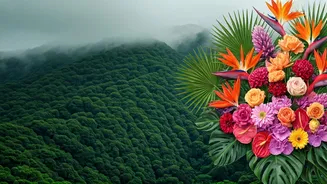
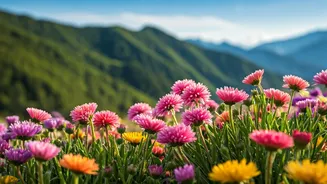
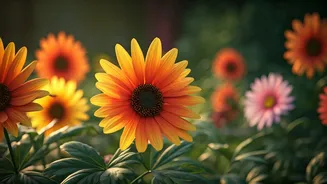
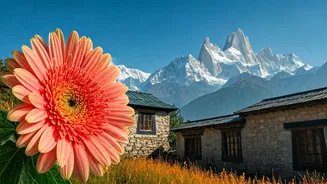
While music and food fill the air, the flower show grounds the festival in the natural beauty of the Himalayas. Timed to coincide with the peak blooming season, the festival features elaborate floral exhibitions that are a feast for the eyes. Local gardeners, government departments, and private organizations compete for prizes with their prized roses, lilies, geraniums, and exotic orchids. The displays are often intricate and artistic, with flowers arranged into stunning sculptures and patterns. It's a reminder of the region’s rich biodiversity and a nod to the English cottage-garden aesthetic that still influences many of Shimla’s public and private green spaces. Strolling through the vibrant, fragrant exhibits is a peaceful counterpoint to the energetic performances on The Ridge, offering a moment of quiet appreciation for nature’s artistry.