





Permission to Slow Down
In a fitness culture that often glorifies sweat-drenched, high-impact workouts, it’s easy to feel like a gentle walk or a leisurely swim doesn't 'count.' But exercise science tells a different story. For long-term health, consistency is far more important
than intensity. When scorching temperatures make a five-mile run or a CrossFit session feel dangerous or deeply unpleasant, the smart move isn’t to do nothing; it’s to adapt. Low-intensity steady-state (LISS) activity—any movement performed at a relaxed, conversational pace—is not a compromise. It’s a valid and effective form of exercise with its own set of benefits, including improved cardiovascular health, reduced stress, and better endurance. Giving yourself permission to slow down ensures you keep moving, banking health benefits while avoiding burnout or heat-related illness.
The Science of the 'Gentle Burn'
The magic of low-intensity movement is rooted in a concept called Non-Exercise Activity Thermogenesis, or NEAT. It’s a fancy term for the energy we expend doing everything that isn't formal exercise, sleeping, or eating. This includes activities like walking to the mailbox, gardening, fidgeting, carrying groceries, or playing with your kids in the yard. While each action seems minor on its own, the cumulative effect is significant. NEAT is a major component of your daily metabolism, and consciously increasing it can have a profound impact on your overall energy expenditure and metabolic health. During the summer, when structured workouts may be less frequent, leaning into NEAT is a brilliant strategy. It keeps your metabolic engine humming without requiring you to gear up for a formal, sweat-soaked session in 90-degree weather. Every step, stretch, and stroll adds up.
What 'Low-Intensity' Actually Looks Like
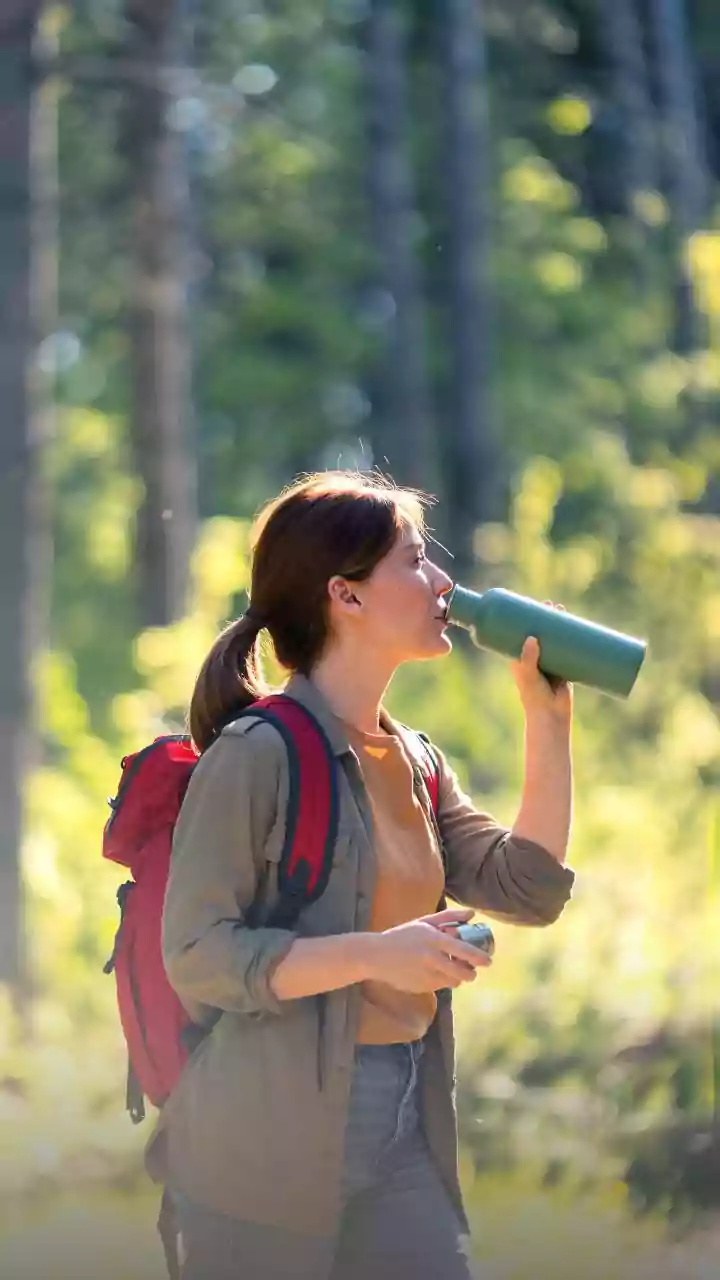
So what qualifies as low-intensity movement? The simplest definition is any activity where you can comfortably hold a conversation without getting breathless. Your heart rate is elevated, but you aren't pushing into your maximum effort zone. Think of it as moving at about 50-65% of your max heart rate. The options are nearly endless and can be easily woven into a summer day. Consider: - A brisk walk in the cooler morning or evening hours. - A leisurely bike ride on a flat trail or around your neighborhood. - Recreational swimming or simply treading water in a pool or lake. - Kayaking, canoeing, or stand-up paddleboarding at a relaxed pace. - Gardening, yard work, or washing your car by hand. - Stretching, yoga, or tai chi in a shaded spot. - Playing frisbee, badminton, or cornhole with family and friends. The key is to choose something you enjoy. When movement feels like play or a pleasant part of your day rather than a chore, you’re far more likely to stick with it.
Making It a Summer Habit
Integrating these activities into your summer routine is less about scheduling and more about seizing opportunities. Instead of driving to a local shop, walk or bike if it’s close. If you’re on vacation, make a point to explore your destination on foot. Use the long evenings for a post-dinner stroll to help with digestion and wind down for the night. If you're stuck inside during a heatwave, you can still incorporate movement. Do some bodyweight squats or lunges during TV commercials, have a 10-minute dance party in the living room, or do a deep clean of a room. The goal is to break up long periods of sitting. By reframing exercise from a single, intense event into a series of smaller, gentler movements throughout the day, you can build a sustainable, enjoyable, and highly effective summer wellness routine.