








Understanding the Seasonal Split
This month, many parts of the U.S. are experiencing a classic seasonal transition. You see it most dramatically in regions with varied topography, like the West Coast or the Appalachian range. A weather system, often an atmospheric river or a stubborn
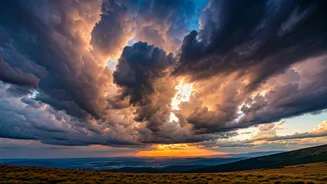
front, will roll in from the ocean or a large lake, dumping significant rain on coastal and low-lying areas. These are the “rain-soaked routes” that make for tense driving and canceled plans. But just beyond that band of weather, or at a higher elevation, conditions can be entirely different. Hills and mountains can block the moisture, creating a “rain shadow” effect that leaves inland areas dry and sometimes brilliantly sunny. Other times, you might find yourself driving up a mountain road, breaking through a thick layer of clouds and fog into a world of pure sunshine at the peak. This duality isn't a fluke; it's a feature of the season, offering both challenges and stunning rewards for those willing to prepare.
The Smart Way to Handle Wet Roads
The most immediate challenge of this weather pattern is travel. A drive that starts in the sun can quickly turn treacherous. The number one rule is to slow down. Wet pavement drastically increases your vehicle’s stopping distance and creates the risk of hydroplaning, where your tires lose contact with the road surface. If you feel the car begin to hydroplane, ease off the accelerator and steer straight until you feel the tires regain traction. Do not slam on the brakes. Before you even leave, check the road conditions. State Department of Transportation websites and apps (like Caltrans QuickMap in California or DriveNC in North Carolina) provide real-time updates on closures, accidents, and chain controls. Winding, scenic routes are often more susceptible to mudslides or rockfalls after heavy rain, so your planned picturesque drive might be smarter to postpone. Ensure your tires have adequate tread, your wipers are in good shape, and your headlights are on for visibility, even during the day. A little preparation turns a potential nightmare into a manageable inconvenience.
Dressing for Two Seasons in One Day
The key to enjoying a day of mixed weather is layering. This isn't just about warmth; it's about staying dry and comfortable whether you’re in a damp forest or on a sun-drenched ridgeline. Forget bulky cotton hoodies—they absorb moisture and stay wet for hours. Your kit should start with a moisture-wicking base layer (like merino wool or synthetic fabric) that pulls sweat away from your skin. Your mid-layer should be for insulation; a lightweight fleece or a packable down vest is perfect. The crucial final piece is a high-quality outer shell that is both waterproof and breathable. A cheap plastic poncho will keep the rain out, but it will also trap your body heat and moisture, leaving you clammy and cold. Investing in a good rain jacket with ventilation zips allows you to adapt. Combine this with waterproof hiking shoes, and you're prepared to peel off or add layers as you move between a misty trail and a sunny overlook.
Finding the Beauty Above the Clouds
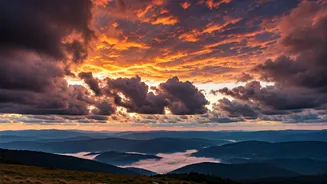
While rain might ground some plans, it creates unique opportunities for others. The air after a good rain is crisp, clean, and smells incredible—a phenomenon called petrichor. Trails are less crowded. And most spectacularly, the weather can produce breathtaking cloud inversions, where you can hike to a summit and look down on a sea of white clouds filling the valleys below, with other peaks rising like islands. These are the moments that make venturing out worthwhile. To find them, look for hikes that gain significant elevation. Check trail conditions before you go, as rain can make paths slick, muddy, or even impassable. But if the trails are safe, you’ll be rewarded with dramatic skies, lush, vibrant greenery, and a sense of solitude that’s hard to find on a perfect bluebird day. The contrast between the damp, moody forest at the trailhead and the expansive, sunny view from the top is an experience that stays with you.