



Check Your Tires: Your Connection to the Road
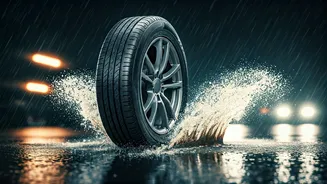
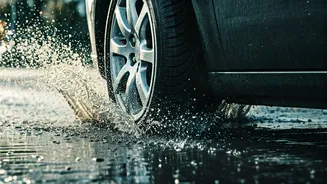
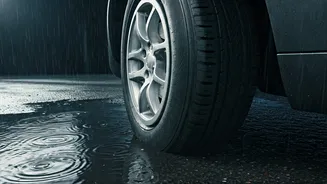
Your tires are the only part of your vehicle that touches the road, making them your first and most crucial line of defense against hydroplaning. Monsoon downpours can dump a massive amount of water on the pavement in minutes, and worn tires simply can't
channel that water away effectively. Before the season starts, check your tire tread depth. The classic trick works: insert a penny into the tread with Lincoln's head upside down. If you can see the top of his head, your treads are too worn, and it's time for new tires. Also, check your tire pressure. Both under-inflated and over-inflated tires can reduce grip. The correct pressure is listed on a sticker inside your driver's side door jamb—not on the tire itself. Properly inflated tires with good tread are essential for maintaining traction on slick asphalt.
Inspect Your Wipers: Clarity is Safety
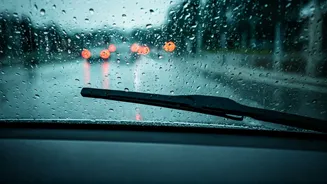
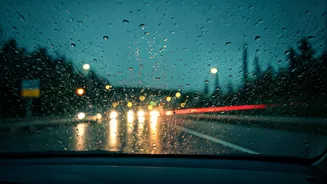
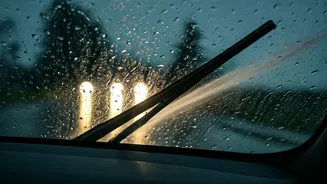
Visibility drops to near zero in a heavy monsoon storm. If your wiper blades are old, cracked, or hardened from months of baking in the sun, they won't clear your windshield effectively. Instead, they’ll smear water, creating a blurry, distorted view that is incredibly dangerous. Wiper blades are inexpensive and easy to replace, yet they're one of the most commonly neglected safety items. Test them with your windshield washer fluid. If they leave streaks or make a chattering noise, replace them immediately. Don't wait for the first blinding rainstorm to discover they're useless. Top off your washer fluid reservoir as well; you'll need it to clear away the mud and grime kicked up by other cars.
Test Your Brakes: Don't Wait for a Scare
Wet roads mean longer stopping distances. Your braking system needs to be in top condition to handle the decreased traction. If you've been hearing a squealing or grinding noise, or if the brake pedal feels soft or spongy, get your brakes inspected by a professional right away. These are classic signs of worn brake pads or other system issues. Even if you don't notice any obvious problems, a pre-season checkup is a smart move. A mechanic can inspect your brake pads, rotors, and brake fluid to ensure everything is functioning as it should. The confidence that your car will stop when you need it to is priceless in a sudden downpour.
See and Be Seen: The Importance of Lights
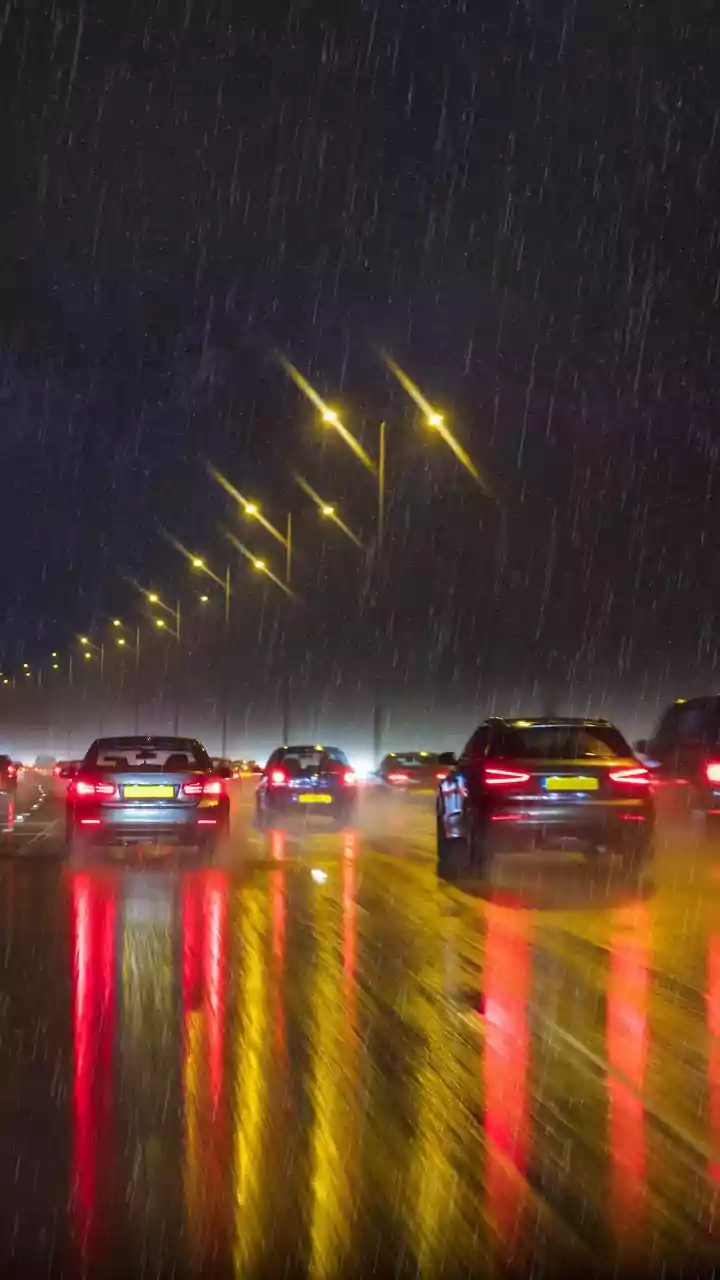
During a monsoon, dark storm clouds can make midday feel like dusk. Functional lights are critical not just for you to see the road, but for other drivers to see you. Do a simple walk-around of your vehicle. Have a friend or family member help you check that your headlights (both low and high beams), taillights, brake lights, and turn signals are all working. A single burnt-out bulb can make your car nearly invisible from one side or fail to communicate your intention to stop or turn. Most states have laws requiring headlights to be on during rain, so make it a habit to switch them on as soon as the first drops fall. This simple act dramatically increases your visibility to others.
Beware the 'First Slick'
The most dangerous time to be on the road is often during the first 10 to 15 minutes of a storm, especially the first storm after a long dry spell. Months of leaked oil, coolant, and settled dust accumulate on the pavement. When rain finally mixes with this grime, it creates an exceptionally slippery, grease-like film. This 'first slick' can be as treacherous as driving on ice. Drivers who are unprepared for this sudden loss of traction are often caught by surprise, leading to spinouts and collisions. If you're driving when a storm begins, be hyper-aware. Reduce your speed significantly and increase your following distance to give yourself more time to react.