









A Push for Food Security and Stability
At its core, the surge in urban gardening subsidies is a strategic move by state governments to bolster food security. For an American audience accustomed to vast farmlands, it’s useful to picture the intense population density of cities like Chennai,
Bangalore, and Hyderabad. Any disruption to the food supply chain—whether from extreme weather, logistical bottlenecks, or price volatility—is felt immediately by millions. State governments, particularly in places like Tamil Nadu and Kerala, have identified hyper-local food production as a powerful buffer. By encouraging city dwellers to grow some of their own vegetables, they reduce dependence on long, fragile supply chains. Subsidies make this accessible to the middle class, not just the wealthy. The goal isn't to replace commercial farming, but to create a distributed, resilient network of food producers who can supplement their own needs, especially for fresh produce, thereby easing pressure on the broader market.
The Growing Demand for Pesticide-Free Food
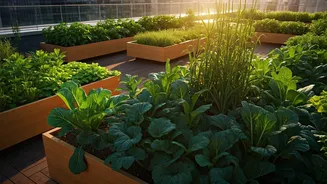
Parallel to the government's push is a powerful pull from consumers. Much like the farm-to-table movement in the United States, a growing, health-conscious urban middle class in South India has become increasingly wary of pesticides and chemical fertilizers used in conventional agriculture. The demand for organic, clean, and trustworthy produce has skyrocketed, but certified organic food often comes with a premium price tag. Rooftop gardening presents a perfect solution. By growing their own tomatoes, chilies, spinach, and gourds, residents have complete control over what goes into their food. State subsidy programs cleverly tap into this public sentiment. They aren't just giving away supplies; they are providing a pathway to a healthier lifestyle that resonates deeply with urban families. The subsidized kits often include organic inputs like coco-peat (a sustainable alternative to soil), vermicompost, and bio-fertilizers, directly aligning with the wellness trend.
Greening the Concrete Jungle for Climate Resilience
The benefits extend far beyond the dinner plate. South Indian cities face significant environmental challenges, including the “urban heat island” effect, where concrete and asphalt absorb and retain far more heat than natural landscapes. This makes cities several degrees hotter than surrounding rural areas, straining energy grids with increased demand for air conditioning and posing public health risks. Widespread rooftop gardens act as a natural cooling system. Plants provide shade and cool the air through evapotranspiration. They also help manage monsoon rains by absorbing water, reducing runoff and easing the burden on urban drainage systems. State horticulture departments frame these subsidies not just as an agricultural program, but as a low-cost, decentralized environmental initiative. By empowering citizens to become stewards of their own small green spaces, the government achieves broad ecological goals that would be far more expensive to implement through large-scale public works projects.
How the Subsidies Actually Work
The success of this movement isn’t just in the 'why,' but in the 'how.' The programs are brilliantly practical. Instead of complex grants, states like Tamil Nadu offer highly subsidized “Do-It-Yourself” terrace garden kits. For a nominal fee (often 75-90% less than the retail cost), a resident receives everything they need to get started: a set number of UV-treated grow bags, several kilograms of enriched potting mix, a variety of vegetable seeds suited to the local climate, and even bio-pesticides and growth promoters. This plug-and-play model removes the initial barriers of cost and knowledge, which often deter aspiring gardeners. Furthermore, horticulture departments often provide follow-up support through workshops, online guides, and helplines. By making the entry point simple and affordable, these states have successfully converted urban gardening from a niche hobby into a mainstream, accessible activity for hundreds of thousands of households.