


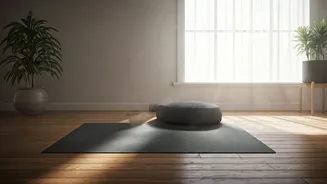


So, What Is Yin Yoga?
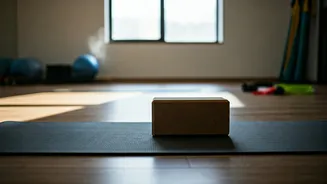
Imagine a yoga class where you’re encouraged to use all the props—bolsters, blankets, blocks—not to achieve a difficult pose, but to relax into a simple one. That’s the entry point to Yin. Unlike the flowing, muscular (or 'yang') styles of yoga like Vinyasa
or Ashtanga, Yin yoga is a quiet, contemplative practice. It involves holding passive poses, mostly seated or lying down, for extended periods, typically ranging from three to five minutes, and sometimes longer. The goal isn’t to build heat or a sweat, but to cultivate stillness. Instead of actively flexing and engaging your muscles, you’re invited to let go, using gravity to gently sink deeper into the posture.
The Opposite of Your Spin Class
The core difference between Yin and most other forms of exercise lies in what it targets. High-impact and strength-based workouts are 'yang' activities; they focus on muscles. They contract, they generate heat, and they respond to repetitive motion. Yin yoga does the opposite. By holding poses for a long time with your muscles relaxed, the gentle stress bypasses the muscles and targets the deeper connective tissues: the fascia, ligaments, and tendons. Think of it like this: your muscles are like rubber bands, elastic and quick to respond. Your connective tissues are more like plastic wrap—they need slow, steady pressure to change their shape. A spin class strengthens your muscles; a Yin class hydrates and lengthens your fascia.
The Science of a Deep Stretch
Why target connective tissue? Because healthy fascia is crucial for mobility, flexibility, and preventing injury. Over time, and with repetitive stress from 'yang' activities, our fascia can get tight, dry, and stuck, restricting our range of motion. Yin yoga applies a gentle, positive stress to these tissues, stimulating them to become more pliable, resilient, and hydrated. This is why you might feel a profound sense of release and openness after a Yin session that you don't get from a typical stretch-and-hold for 30 seconds. It’s a deep, internal remodeling process. This also helps improve joint mobility by gently stressing the ligaments and joint capsules, creating more space and ease of movement.
A Workout for Your Mind
The physical benefits are only half the story. Holding a pose for five minutes without moving or fidgeting is a significant mental challenge. It’s a workout for your patience and focus. As you sit with the mild discomfort of a deep stretch, you’re forced to observe your thoughts and urges without acting on them. It becomes a moving meditation. This stillness has a profound effect on the nervous system, shifting it from the 'fight or flight' sympathetic state to the 'rest and digest' parasympathetic state. This lowers cortisol levels, reduces stress, and promotes a sense of calm that can linger long after you’ve rolled up your mat. In our overstimulated culture, this deliberate practice of doing less is a radical form of self-care.
Is Yin Yoga Right for You?
Yin yoga is a versatile practice suitable for almost everyone. It’s a fantastic complement for serious athletes looking to improve recovery and prevent injury. It’s a gentle entry point for beginners who might be intimidated by more dynamic yoga styles. And it’s a powerful tool for anyone dealing with the stresses of a desk job or a frantic lifestyle, helping to unwind both physical and mental tension. It's not about replacing your favorite run or weightlifting session; it's about adding the missing piece. It’s the practice that ensures your body and mind have the resilience and balance to keep doing all the other things you love.