
The Functional Beverage Boom
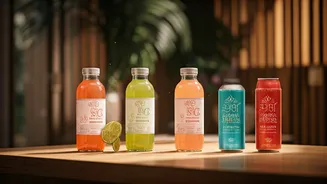
It’s no longer enough for a drink to just be delicious or refreshing. Now, it has to *do* something. Welcome to the era of the functional beverage, where lattes promise focus, mocktails offer calm, and sparkling waters are laced with ingredients purported
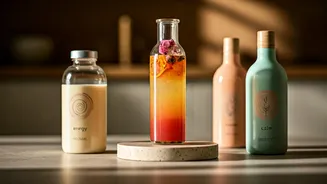
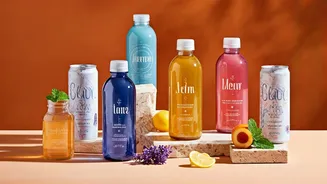
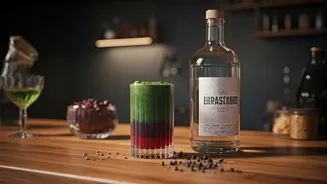
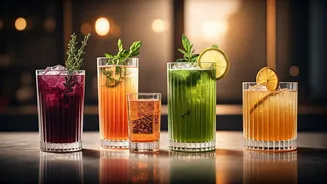
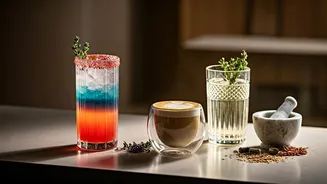
to enhance your mood. This isn't just about adding a vitamin C packet to your water; it’s a sophisticated shift that’s transforming coffee shops, juice bars, and even high-end cocktail lounges into modern wellness hubs. Menus now feature “eater-tainment” drinks with complex flavor profiles and an added layer of perceived benefit. You might find a “Clarity Cold Brew” infused with lion’s mane mushroom, a “Serenity Spritz” with CBD and lavender, or an “Immunity Elixir” packed with turmeric, ginger, and echinacea. The goal is to provide an experience that feels both indulgent and productive—a small act of self-optimization in a cup.
Meet the Star Ingredients
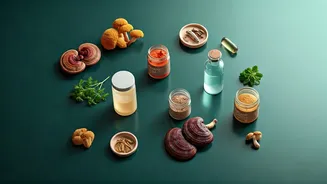
Navigating this new world requires a glossary. The most common players fall into a few key categories. **Adaptogens:** These are herbs and mushrooms believed to help the body resist and adapt to stressors. Think ashwagandha for relaxation, rhodiola for energy, and holy basil for balance. They’ve been used for centuries in Ayurvedic and Chinese medicine. **Nootropics:** Often called “smart drugs” or cognitive enhancers, these substances are claimed to improve brain function, including memory, creativity, and motivation. L-theanine (found in green tea) is a popular one for promoting calm focus, while mushrooms like lion’s mane are gaining fame for their purported neuro-supportive properties. **Anti-Inflammatories & Antioxidants:** This is a more familiar category, now supercharged. Turmeric (with its active compound, curcumin) and ginger are everywhere, celebrated for their anti-inflammatory and digestive benefits. Likewise, antioxidant-rich ingredients like matcha, açaí, and elderberry are mainstays.
Why Now? The Sober-Curious Connection
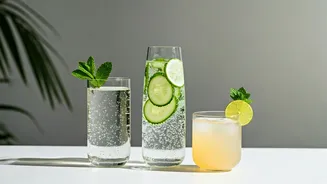
Several cultural currents are feeding this trend. First and foremost is the rise of the “sober curious” and mindful drinking movements. A growing number of Americans, particularly younger generations, are cutting back on alcohol. They still want to socialize and enjoy a complex, well-crafted beverage, but without the booze. Functional beverages fill this void perfectly, offering a sophisticated alternative that feels more special than a simple club soda with lime. Instead of the social subtraction of *not* drinking, it’s a positive addition—you’re consuming something that might make you feel good in a different way. This shift is also a natural extension of the broader wellness culture that has already conquered our food, fitness, and skincare routines. If we optimize everything else, why not our drinks?
Sip with a Dose of Skepticism
Before you trade your morning coffee for a $12 mushroom elixir expecting a life-changing cognitive boost, a reality check is in order. While many of these ingredients have historical use and some promising research behind them, the science is often still emerging. Furthermore, the effectiveness of these substances is heavily dependent on dosage and consistency. The amount of ashwagandha or L-theanine in a single commercially prepared beverage may be far below the therapeutic dose studied in clinical trials. In many cases, you’re paying a premium for a very small, potentially insignificant, amount of the “active” ingredient. Experts often point out that the primary benefit might be the placebo effect—if you believe a drink will help you relax, it just might. There’s nothing wrong with that, but it’s wise to view these drinks primarily as enjoyable beverages with a potential, but not guaranteed, wellness perk.