


An Introduction to the Konkan
For most Americans, a trip to India conjures images of desert palaces in Rajasthan or the chaotic energy of Delhi. But hugging the country’s western shoreline is a region that offers a completely different experience: the Konkan Coast. Stretching roughly
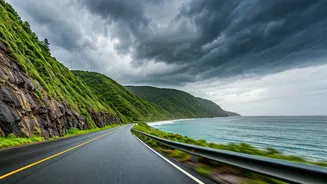
450 miles from north of Mumbai down through the states of Maharashtra, Goa, and into Karnataka, this strip of land is defined by the rugged Western Ghats mountains on one side and the Arabian Sea on the other. It’s a land of fishing villages, ancient forts, quiet temples, and mango groves. While beautiful year-round, it undergoes a radical, almost magical transformation when the annual monsoon arrives.
The Monsoon Metamorphosis
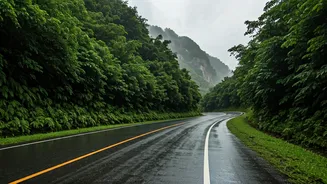
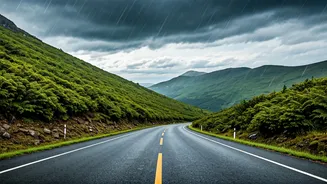
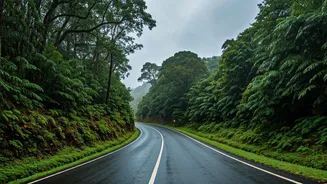
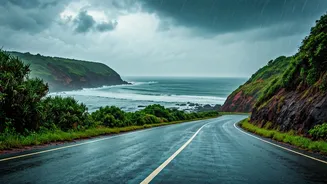
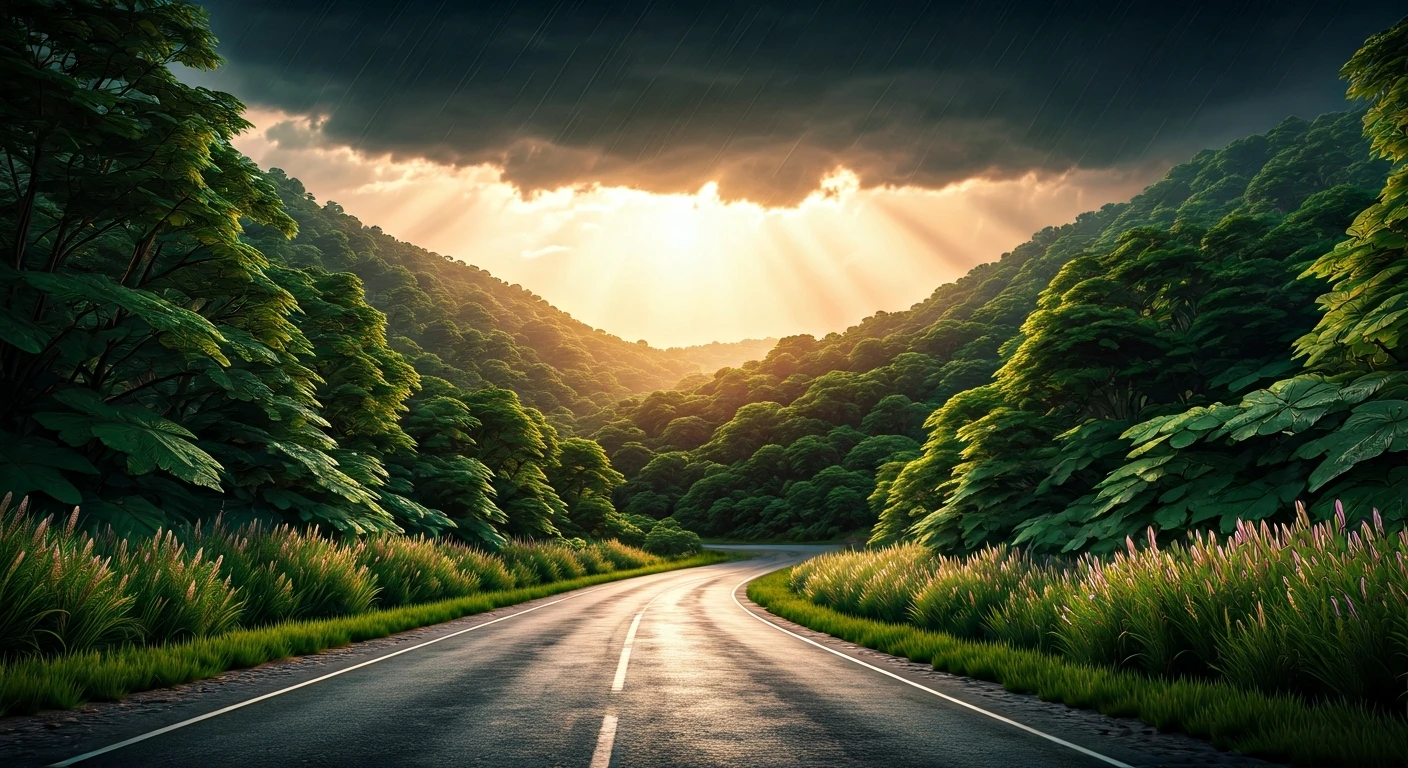
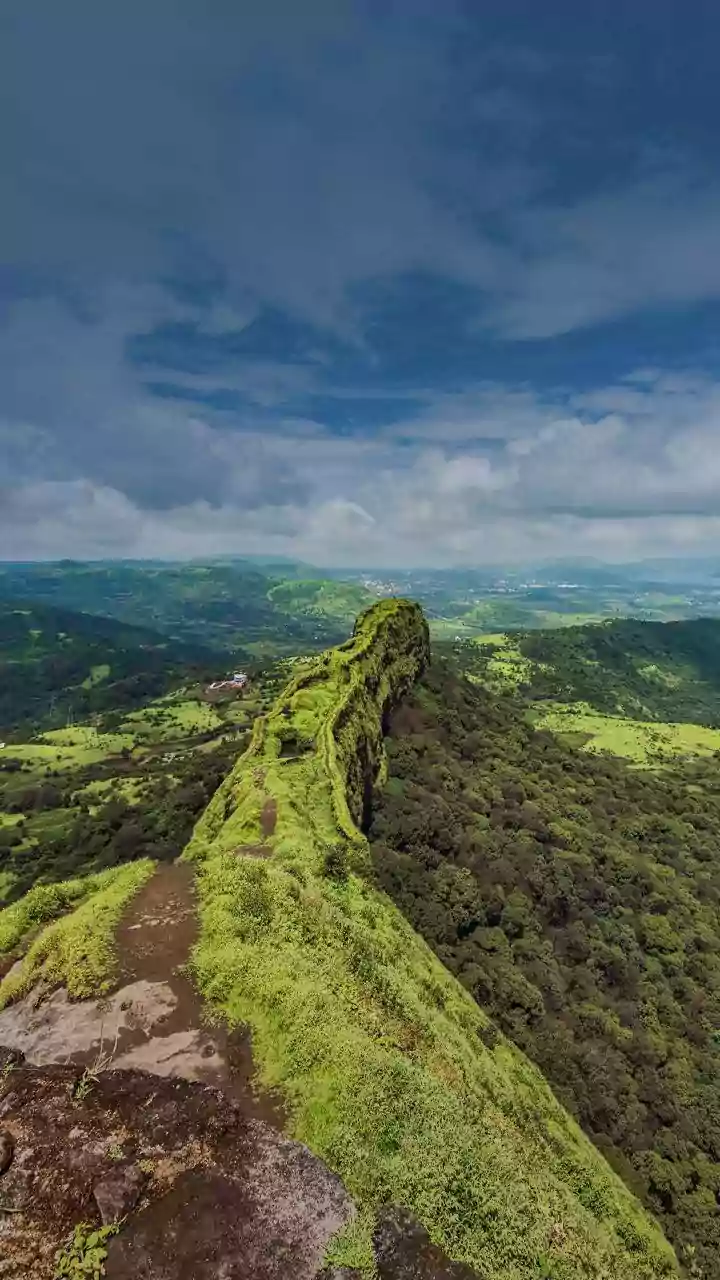
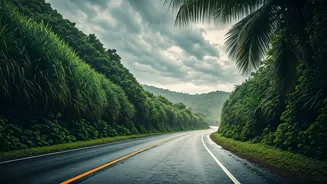
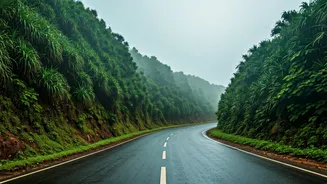
Between June and September, the southwest monsoon rolls in from the sea, drenching the sun-baked landscape. What was dry and dusty becomes impossibly lush and vibrant. The color palette shifts from ochre and brown to a thousand shades of emerald and jade. Rivers swell, dormant waterfalls burst from cliffsides, and the air grows heavy with the scent of wet earth and blossoming flowers. For those who don't mind getting a little wet, this isn’t a time to stay indoors; it’s the season when the Konkan’s true soul is revealed. The dramatic, cloud-filled skies and the rhythmic drumming of rain create an atmosphere that’s both peaceful and intensely alive.
The Classic Route: Mumbai to Goa
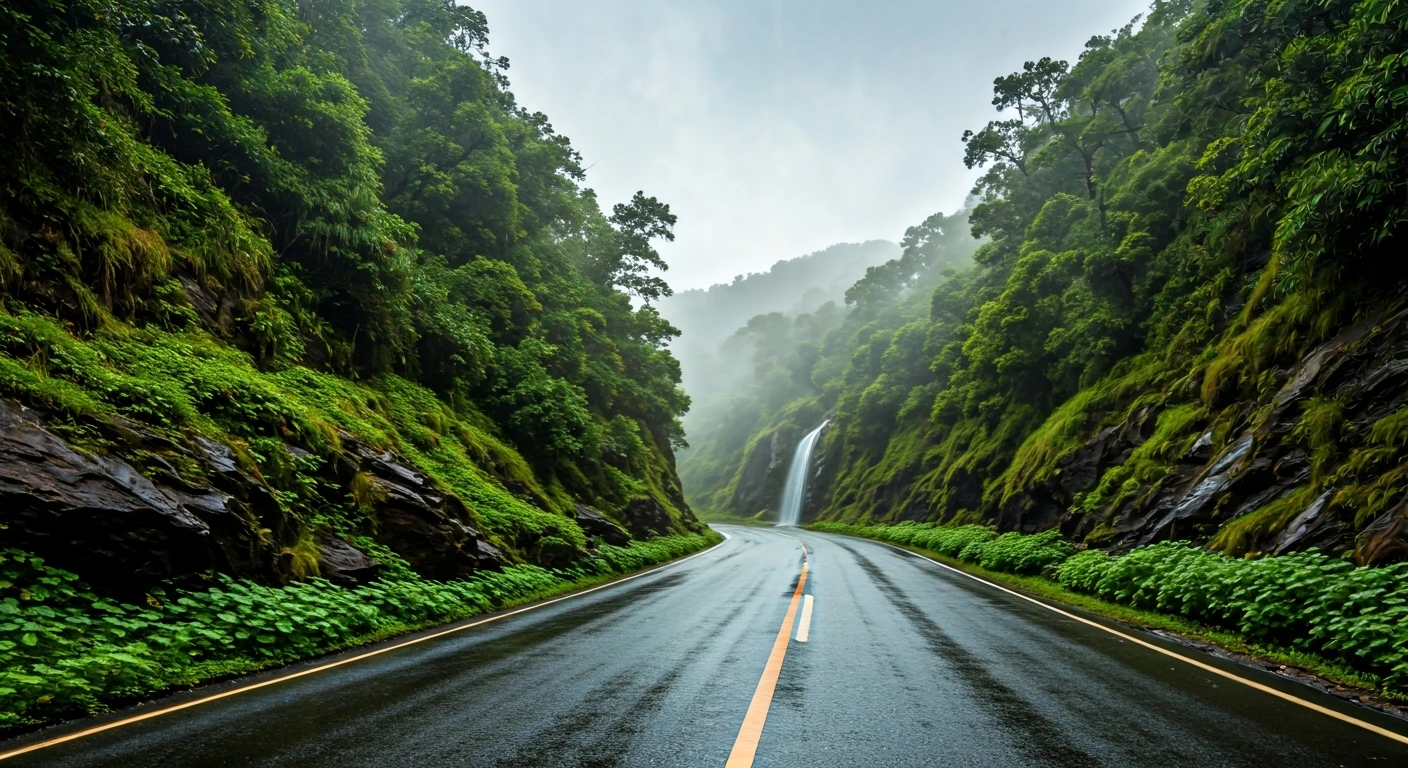
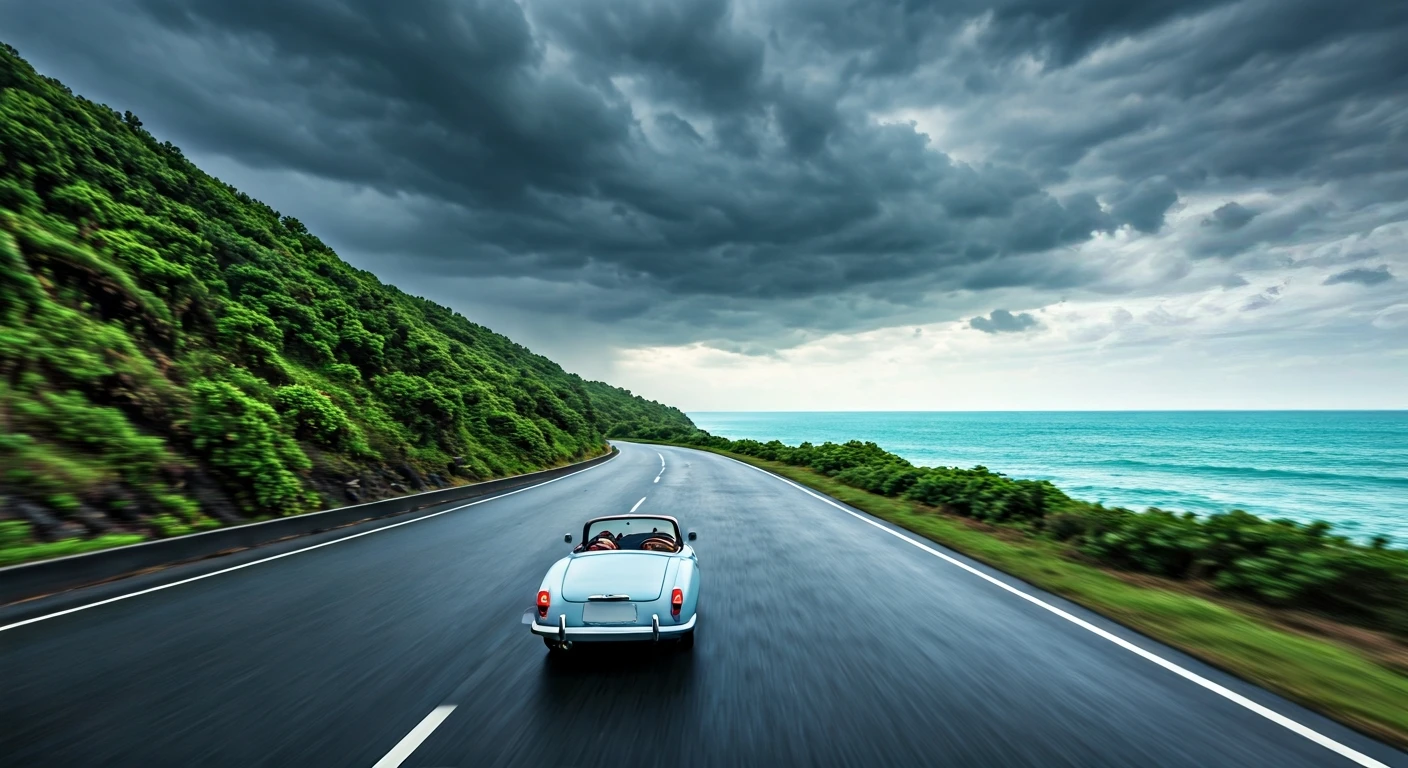
The quintessential Konkan road trip follows National Highway 66 (NH-66), connecting Mumbai to Goa. While you can fly between the two cities in an hour, the drive is the destination. This journey of about 365 miles, best taken over several days, winds through paddy fields that look like sheets of green glass and past hillsides draped in mist. The route takes you through small towns and offers countless detours to coastal forts like Murud-Janjira or secluded beaches that are nearly empty in the off-season. Driving this road during the monsoon is an immersive experience. You’ll find yourself pulling over constantly, not for a curated viewpoint, but just to watch the clouds drift over a valley or a temporary waterfall gush across the road.
Chasing Waterfalls and Empty Beaches
One of the greatest joys of a Konkan monsoon trip is the sheer abundance of water. The Western Ghats become a playground of cascades. Some are famous, like the towering Dudhsagar Falls on the Goa-Karnataka border (often requiring a separate jeep tour), but thousands of smaller, unnamed falls appear along the main highway. They spill directly onto the road, creating natural car washes and stunning photo opportunities. The beaches, usually bustling in winter, take on a wild, dramatic character. The sea is often too rough for swimming, but walking along a windswept stretch of sand at a place like Ganpatipule or Tarkarli, with gray waves crashing and no one else in sight, is a powerful and humbling experience.
The Comforting Taste of the Rains
The monsoon experience is incomplete without its flavors. Roadside stalls, or “dhabas,” become welcome havens from a downpour. The quintessential monsoon snack is a plate of piping hot pakoras (vegetables dipped in chickpea flour and deep-fried) served with a steaming cup of sweet, milky chai. It’s a simple, deeply satisfying pleasure that feels perfectly designed for a cool, rainy day. This is also the season for fresh, roasted corn on the cob, rubbed with salt, chili, and lime. While some seafood availability is limited, local kitchens excel at creating rich, spicy curries with seasonal vegetables and preserved fish, offering a taste of the region’s distinct culinary heritage.
A Few Words of Caution
As romantic as it sounds, a monsoon road trip requires preparation. The rains can be relentless, and road conditions can be challenging. Potholes are common, and in heavy downpours, the risk of landslides in the hilly Ghat sections is real. It’s essential to drive a reliable, well-maintained vehicle with good tires, preferably an SUV for higher ground clearance. Drive slowly, avoid traveling at night, and be prepared for unexpected delays. Pack waterproof gear, quick-dry clothing, and insect repellent. But with a bit of caution and an adventurous spirit, the rewards are well worth the effort.