

A Legacy of Royal Obsession
The story of Lucknow’s mango supremacy isn't about industrial agriculture; it’s a tale of aristocratic passion. In the 18th and 19th centuries, the region was ruled by the Nawabs of Awadh, sophisticated and extravagant patrons of the arts, cuisine, and culture.
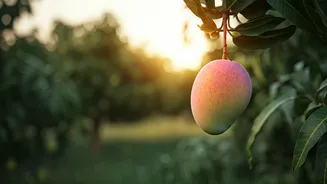
For them, horticulture was a high art form, and the mango was their masterpiece. They didn't just eat mangoes; they curated them. The Nawabs sponsored expeditions to find the best wild varieties and funded generations of horticulturists dedicated to grafting and creating new, more exquisite fruits. These rulers established vast orchards, known as 'baghs,' turning the land around Lucknow into a living laboratory for mango perfection. This royal patronage elevated the mango from a simple fruit to a symbol of status, luxury, and regional pride, a legacy that defines the area to this day.
The Golden Belt of Malihabad
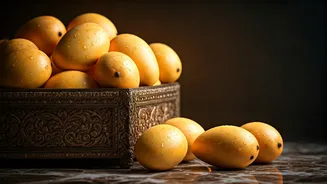
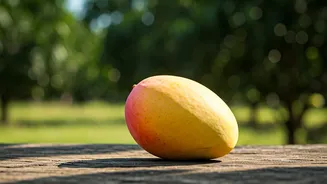
Just 15 miles outside Lucknow lies Malihabad, the epicenter of this mango universe. This unassuming town and its surrounding 75,000 acres of orchards are often called the 'mango belt' of North India. The secret to its success is a perfect storm of geography and climate. The alluvial soil, enriched by the nearby Gomti River, provides the ideal foundation, while the hot, dry summers followed by monsoons create the perfect conditions for the fruit to develop its signature sweetness and aroma. This is the birthplace of the legendary Dasheri mango, a variety so prized for its fiberless, sunshine-yellow pulp and honeyed flavor that it was granted a Geographical Indication (GI) tag. This tag, similar to the designation for Champagne in France or Parmesan in Italy, legally recognizes that an authentic Dasheri can only come from this specific region, cementing its global reputation.
More Than Just a Single Star
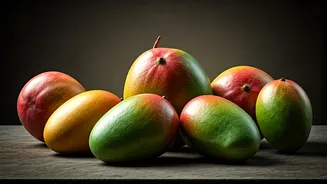
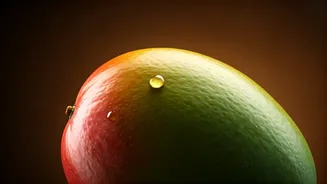
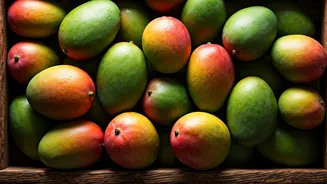
While the Dasheri is Lucknow’s undisputed king, the region’s claim to the mango throne is built on more than one variety. The same orchards that perfected the Dasheri are also home to a staggering diversity of other mangoes, each with its own season and personality. There's the late-season Chausa, known for its intoxicatingly sweet scent and incredibly soft flesh. The Langra, a slightly tart and fibrous variety with a distinct greenish skin even when ripe, is another local favorite. Others, like Safeda, Lucknowa, and Husn-e-ara, fill out the season. This incredible biodiversity is a direct result of the Nawabs' horticultural experiments. Many mango trees in Malihabad are 'mother plants' that are over a century old, from which countless other trees have been grafted. This living library of mango genetics is a treasure that few other places on Earth can claim.
A Culture of Cultivation
Lucknow's title is ultimately secured not just by its past, but by its present. The mango industry here is a deeply personal, multi-generational affair. Families have tended the same orchards for centuries, passing down grafting techniques and knowledge of the land from one generation to the next. The arrival of the mango season each May is a cultural event, marked by mango festivals, intense trade at local 'mandis' (markets), and the time-honored tradition of gifting boxes of the finest fruit to friends and family. It’s a craft where a grower can tell the quality of a mango simply by its feel and fragrance. This human element—this enduring, passionate connection between the people and the fruit—is the final, crucial ingredient. It’s what transforms a simple agricultural product into a profound cultural identity.