

Beyond the Expiration Date
Before refrigerators became a household staple, keeping food safe and edible was a daily challenge that required ingenuity and a deep understanding of nature. In South Asia, this knowledge evolved over centuries into a set of sophisticated practices.
Today, as Americans become more interested in DIY culture, sustainability, and natural living, these time-tested Desi techniques are finding a new, appreciative audience. This isn't about romanticizing the past; it's about recognizing the brilliant, low-tech science embedded in traditional kitchens. From the way spices are used to how grains are stored, the Desi approach offers a masterclass in making food last longer, taste better, and stay safer, all without a long list of unpronounceable ingredients.
The Spice Cabinet Pharmacy
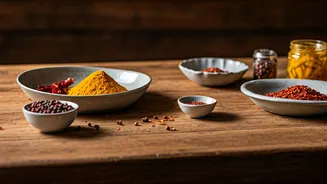
Walk into any Desi pantry, and you're looking at more than just flavor; you're seeing a functional arsenal for food preservation. Turmeric, or 'haldi,' is the star player. Its vibrant yellow hue comes from curcumin, a compound with well-documented antimicrobial and anti-inflammatory properties. A pinch of turmeric powder was traditionally added to milk to extend its freshness or rubbed onto meat and fish before cooking to inhibit bacterial growth. Similarly, cloves contain eugenol, a powerful natural antiseptic. Sticking a few cloves into an onion was a common trick to keep it from spoiling too quickly. Even asafoetida ('hing'), a pungent resin, acts as a preservative in lentil dishes and pickles, preventing bloating and spoilage. This approach treats spices not as a finishing touch, but as an integral part of the food preservation process from the very start.
The Power of the Pickle
In the West, pickling often means cucumbers in a vinegar brine. In South Asia, it’s an entire culinary art form known as 'achaar.' Almost any fruit or vegetable can be transformed into a shelf-stable condiment that lasts for months, even years, without refrigeration. The magic lies in a potent combination of salt, oil, and a complex blend of spices. Salt draws out moisture, creating an inhospitable environment for microbes. A thick layer of mustard or sesame oil on top forms an airtight seal, preventing oxidation and contamination. Spices like mustard seeds, fenugreek, and fennel not only add layers of incredible flavor but also contribute their own preservative qualities. Achaar is the ultimate expression of Desi resourcefulness—a way to preserve the bounty of a season and ensure no food goes to waste, all while creating a flavor bomb that can elevate any simple meal of rice and lentils.
Guarding the Grains
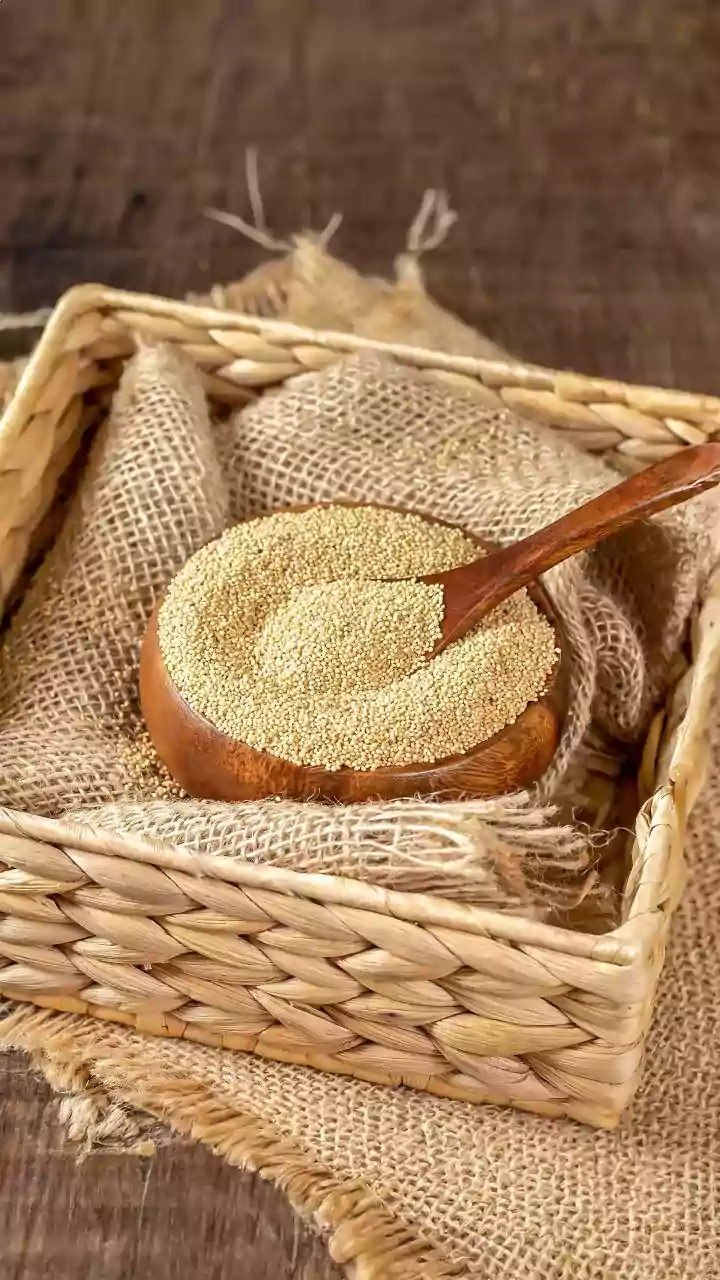
Grains and lentils are the backbone of the Desi diet, and protecting large sacks of rice, flour, and dal from moisture and pests is a top priority. The solutions are elegantly simple and effective. A common practice is to place a few dried bay leaves or whole dried red chilies into containers of rice or flour. The strong aroma of these botanicals acts as a natural deterrent to weevils and other pantry pests, a form of chemical-free pest control. For lentils and beans, sun-drying them periodically is another key step. The intense heat of the sun kills off any insect eggs and removes residual moisture that could lead to mold. These methods aren't just folklore; they're rooted in a practical understanding of pest behavior and humidity control, ensuring the household's food staples remain secure for the long haul.