


The Magic of a Multi-Sensory Plant
Before we get into the 'how,' let’s appreciate the 'why.' Jasmine isn’t just another climbing plant; it's an atmospheric addition to your home. On a warm evening, the fragrance from a single vine can perfume an entire porch or patio, creating a natural,
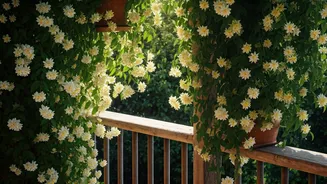
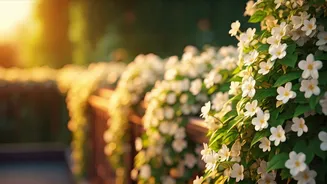
living aromatherapy session. Unlike a simple coat of paint or a standard architectural feature, a jasmine-covered railing is alive. It changes with the seasons, offers a haven for pollinators like bees and butterflies, and transforms mundane structures—like deck railings, porch columns, or wrought-iron fences—into breathtaking focal points. It softens hard lines and connects your home directly to the natural world, offering a daily dose of beauty that evolves over time.
Choosing the Right Jasmine for the Job
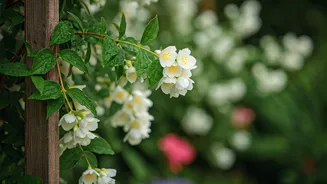
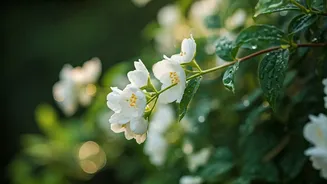
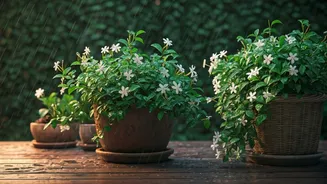
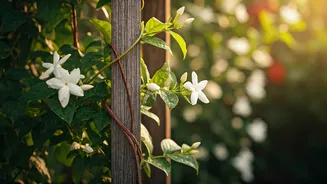
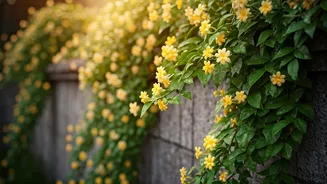
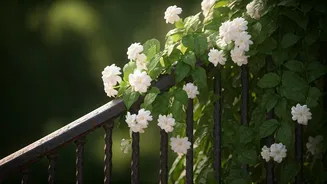
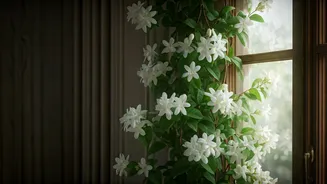
Not all jasmine is created equal, and some aren't even true jasmines. For railings, you need a twinning vine that will eagerly wrap itself around posts and rails. Here are two top-tier, widely available choices in the U.S.: **Star Jasmine (Trachelospermum jasminoides):** Despite its name, this isn't a true jasmine, but it's arguably the best all-around choice for this purpose. It’s an evergreen vine with dark, glossy leaves that look great year-round. In late spring and early summer, it erupts in a profusion of pinwheel-shaped, intensely fragrant white flowers. It's hardy in USDA Zones 8-10, relatively drought-tolerant once established, and a vigorous but manageable climber. **Common White Jasmine (Jasminum officinale):** This is a true jasmine and the source of the classic, heady fragrance used in perfumes. It's a deciduous vine, meaning it will lose its leaves in winter, but it rewards you with delicate, fern-like foliage and an incredibly long blooming season from late spring through fall in many climates. It's a bit more vigorous and may require more pruning, but its scent is legendary. It’s best suited for Zones 7-10.
Planting for a Perfect Climb
Success starts with location. Most jasmine varieties thrive in full sun to partial shade. More sun generally equals more flowers, so a spot that gets at least six hours of direct sunlight is ideal. When planting, position the base of the plant about 6-12 inches away from the base of the railing or post. This gives the roots room to establish without being constricted and allows air to circulate, which helps prevent fungal issues. Dig a hole twice as wide as the root ball and just as deep. Ensure the soil is well-draining; jasmine hates 'wet feet.' If you have heavy clay soil, amend it with compost or other organic matter to improve its texture and fertility. After placing the plant in the hole, backfill with soil, press down gently, and water thoroughly to settle everything in.
Training Your Vine to Weave
Jasmine won't magically find and climb your railing on its own—it needs a little direction. In the beginning, you are the guide. Gently lean the longest stems toward the railing. As they grow, start weaving them through the balusters or around the posts in the direction you want them to go. You can use soft plant ties, jute twine, or even strips of old fabric to loosely secure the main stems to the railing. Avoid using wire, which can cut into the stems as they grow. The key is to guide, not force. Weave new, flexible growth in and out of the railing structure. Over time, the vine will begin to wrap and support itself, creating the lush, interwoven look you’re aiming for. Check on its progress every few weeks to tuck in any wayward stems.
Simple Care for Lasting Beauty
Once established, jasmine is surprisingly low-maintenance. Water it regularly during its first year to help it build a strong root system. After that, a deep watering once a week during hot, dry spells is usually sufficient. A layer of mulch around the base will help retain soil moisture and keep weeds down. Pruning is the most important long-term task. The best time to prune is right after the main flowering cycle ends. This encourages new growth, which will produce next year's flowers. You can trim it back to maintain a desired shape and size, removing any dead or tangled stems to keep the plant healthy and airy.