


An Introduction to the Ghats
Stretching for nearly a thousand miles along India’s western coast, the Western Ghats are a UNESCO World Heritage site and one of the world's most important biodiversity hotspots. For American travelers accustomed to the Rockies or the Appalachians, the Ghats offer
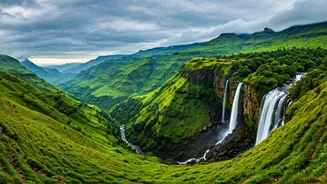
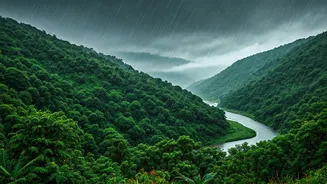
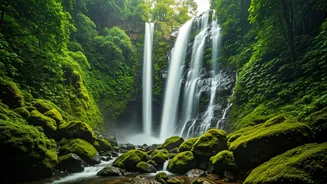
a different kind of mountain magic. These are not jagged, snow-capped peaks, but rather a chain of ancient, rolling mountains draped in dense tropical forests, sprawling plantations, and dramatic waterfalls that come alive after the monsoon rains. This lush landscape, home to elephants, tigers, and countless unique bird species, forms the backdrop for a travel experience that prioritizes connection over checklists.
Embracing the Pace of Slow Travel
So, what is “slow travel” in the context of the Ghats? It’s about consciously rejecting the pressure to see and do everything. Instead of rushing between cities, you might spend a week in a single region, allowing its rhythms to unfold naturally. It’s choosing the scenic, winding train journey over a quick flight. It’s lingering over a cup of freshly brewed coffee at a local homestay, listening to the owner’s stories. In the Ghats, this approach feels less like a choice and more like a gentle imperative from the landscape itself. The winding roads, the unhurried pace of village life, and the sheer overwhelming beauty of the natural world all encourage you to decelerate, breathe, and simply be present.
Life Among the Tea and Spices
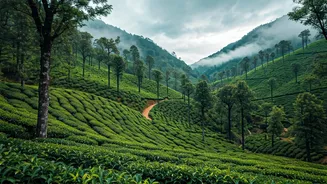
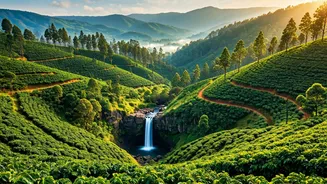
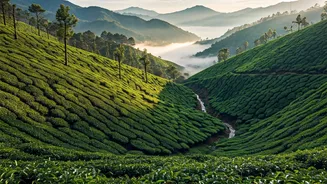
The heart of the slow travel experience in the Western Ghats lies in its plantations. Hill stations like Munnar in Kerala, Coorg in Karnataka, and Ooty in Tamil Nadu are blanketed in meticulously terraced estates growing tea, coffee, and spices. Staying in a converted planter’s bungalow or a cozy homestay provides an immersive experience. You can spend your days walking through fragrant tea gardens, learning to distinguish the aroma of black pepper from cloves at a spice farm, or simply finding a quiet viewpoint to watch clouds drift through the valleys. This isn’t a passive vacation; it's an engagement with the land and the culture that has grown from it for centuries.
Ride the Heritage 'Toy Train'
For a perfect encapsulation of the slow travel ethos, look no further than the region’s historic mountain railways. The Nilgiri Mountain Railway, a UNESCO-recognized engineering marvel, chugs slowly from the plains up to the hill station of Ooty. The journey is the destination. The small blue train navigates steep gradients, rickety bridges, and numerous tunnels, offering passengers breathtaking, uninterrupted views of the verdant valleys below. As you lean out the window to feel the cool mountain air, you’re not just moving from point A to B; you’re participating in a piece of living history and seeing the landscape at a human pace.
Why Visit 'Now'?
The headline’s call to action isn’t just for effect. The period following the heavy monsoon rains, from roughly September through March, is when the Western Ghats are at their most enchanting. The landscape is intensely green, the waterfalls are full, and the air is crisp and clear. The temperatures are mild and pleasant, perfect for hiking and exploring without the oppressive heat of the lowlands. This window offers the ideal conditions for the kind of outdoor, immersive activities that define a trip to the region. The valleys are alive, the weather is welcoming, and the crowds of the peak domestic tourist season have yet to arrive, making it a perfect time for a quiet, restorative escape.