






The Search for Deeper Connection
For decades, the default romantic escape has been a sun-drenched beach. The postcard image is ingrained in our cultural imagination: turquoise water, white sand, and two people holding hands under a palm tree. But for a growing number of couples, that
ideal has started to feel less like a dream and more like a performance. The pressure to have a 'perfect,' Instagram-worthy beach day can create a subtle anxiety that runs counter to genuine relaxation. The focus shifts from connecting with your partner to capturing the perfect shot for an audience. This emerging trend toward mountain retreats isn't just about a change of scenery; it's a rejection of that pressure. Instead of seeking an external, flawless environment, couples are looking for internal comfort and connection. It’s a move from passive relaxation—lying on a towel—to active, intentional togetherness. The goal is no longer just to escape work, but to escape the noise and expectations that follow us everywhere, even on vacation.
The Allure of the 'Cozy' Factor
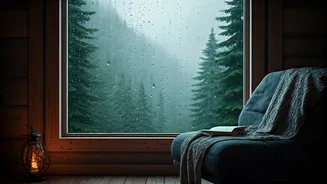
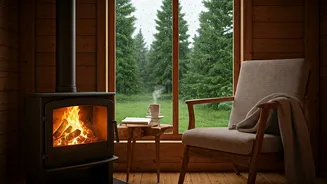
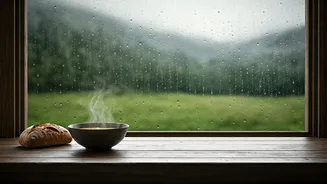
The magic of a rainy mountain getaway is rooted in one powerful concept: coziness. Think of the Danish concept of 'hygge'—a feeling of contentment and well-being through enjoying the simple things in life. A rainy day in the mountains is the ultimate hygge catalyst. It provides a natural, guilt-free excuse to slow down. You can’t go lay by the pool, so instead you’re encouraged to light a fire, open a bottle of wine, read a book, or simply talk. The environment itself becomes a collaborator in intimacy. The sound of rain on a cabin roof is a natural white noise machine, creating a sonic bubble that shuts out the rest of the world. The cool, misty air makes cuddling under a warm blanket not just an option, but a necessity. This forced intimacy isn't restrictive; it's liberating. It removes the decision paralysis of a typical vacation itinerary and replaces it with a simple, shared purpose: to be warm, comfortable, and together.
An Adventure for Two
While a beach trip often revolves around a single, passive location, a mountain trip is inherently about shared activity and exploration. Even in the rain, the options foster teamwork and mutual reliance. A misty hike through a pine-scented forest, navigating a trail together, creates shared memories and a sense of accomplishment that sunbathing rarely does. Ducking into a charming small-town bookstore or a local brewery to escape a downpour becomes a spontaneous adventure, not a ruined plan. These activities require communication and cooperation. You decide on a trail together. You browse a local shop and pick out a souvenir. You cook a meal in a cabin kitchen because going out seems like too much effort. Each small decision is a point of connection. It transforms the vacation from a series of individual experiences happening in the same location to a truly shared journey.
Trading Crowds for Quiet
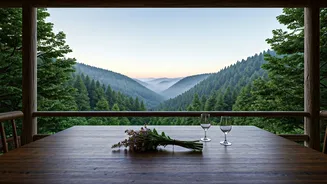
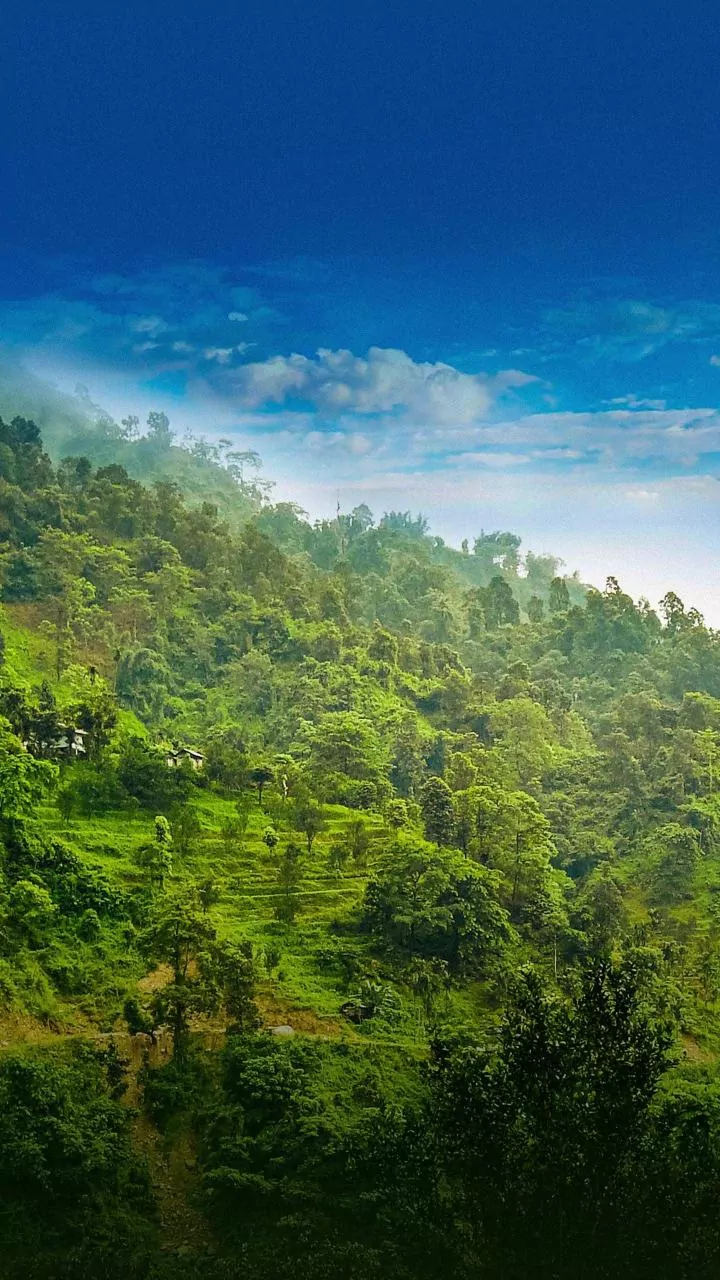
Let’s be honest: many popular beaches have become victims of their own success. They are often crowded, loud, and expensive, especially during peak season. Finding a quiet spot to have a private conversation can be a challenge. Mountain towns, particularly in the off-season or during a spot of 'bad' weather, offer the opposite: solitude. The desire for fewer crowds is a major driver for couples seeking a more meaningful escape. A rainy mountain trip offers a sense of having a place to yourselves. The fog rolling over a valley, the empty hiking trails, the quiet streets of a mountain village—they all contribute to a feeling of private wonder. This seclusion allows couples to drop their public-facing guards and exist in a more authentic state, strengthening their bond away from the prying eyes and ambient stress of a crowd.