






More Than Just a Salad
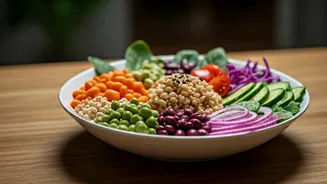
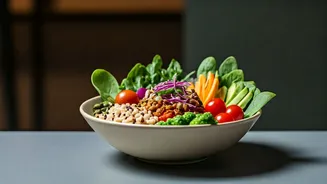
First, let’s be clear: we’re not talking about a sad desk salad. The 'plant bowl'—also known as a grain bowl, power bowl, or Buddha bowl—is a complete, composed meal built on a specific formula. It’s a masterclass in macronutrient balance. It starts with
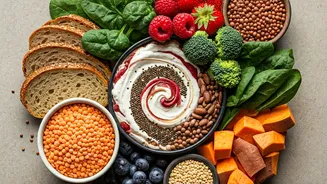
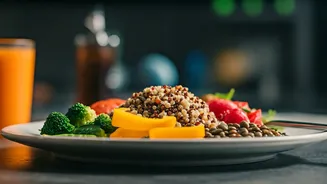
a base of complex carbohydrates like quinoa, brown rice, or farro, which provide slow-release energy. Next comes the protein, a cornerstone of muscle repair and growth, sourced from chickpeas, lentils, black beans, tofu, or tempeh. Piled on top are a rainbow of vegetables, both raw for crunch and roasted for depth, delivering essential vitamins, minerals, and antioxidants. Finally, a healthy fat source like avocado, nuts, or seeds, plus a flavorful dressing (think tahini-lemon or cilantro-lime), ties everything together. The result isn't a side dish; it’s an entire nutritional strategy in a single, convenient format.
The New Engine for Athletes
The long-held belief that peak athletic performance requires massive amounts of animal protein is being challenged, and the plant bowl is leading the charge. For decades, the narrative was simple: lift heavy, eat meat. But a growing number of athletes and sports nutritionists are embracing a plant-forward approach for concrete performance benefits. The complex carbohydrates from whole grains provide the sustained fuel needed for endurance, preventing the energy crashes associated with simple sugars. Plant-based proteins have been shown to be perfectly effective for muscle synthesis and repair, especially when sourced from a variety of foods. Furthermore, a diet rich in colorful plants is inherently anti-inflammatory. Intense exercise creates inflammation and oxidative stress in the body. The antioxidants and phytonutrients packed into a well-constructed plant bowl can help mitigate this damage, potentially leading to faster recovery times and less muscle soreness. It’s a shift from just bulking up to building a more resilient, efficient, and quick-to-recover physiological system.
A Clearer Conscience in Every Bite
This is where 'performance nutrition' intersects with 'ethical.' The ethical argument for the plant bowl is twofold. First is the environmental impact. The science is increasingly clear that animal agriculture is a massive contributor to greenhouse gas emissions, deforestation, and water consumption. A meal centered on plants has a dramatically smaller environmental footprint. Choosing a lentil-and-quinoa bowl over a beef burger isn't just a dietary choice; for many, it’s a tangible, daily action to reduce their personal impact on the planet. The second pillar is animal welfare. As awareness grows about the conditions within industrial factory farming, many consumers are looking for ways to opt out of a system they find morally troubling. The plant bowl offers a delicious and nutritionally robust alternative that doesn't rely on animal products, aligning a person's diet with their compassion for animals. For a new generation of consumers, feeling good about what you eat is about more than just taste; it’s about values.
Embracing a 'Plant-Forward' Mindset
The beauty of the plant bowl movement is that it’s not an all-or-nothing ultimatum. You don’t have to declare yourself a vegan to reap the benefits. The prevailing concept is 'plant-forward,' which simply means making plants the centerpiece of your meals, rather than a supporting actor. It’s about addition, not just subtraction. You can start by trying a plant-based bowl for lunch a few times a week or participating in 'Meatless Mondays.' This approach reduces the pressure and makes the transition feel more accessible and sustainable. The goal is to consciously increase your intake of whole plant foods while potentially reducing your consumption of processed items and animal products. It’s a flexible philosophy that meets you where you are, allowing you to improve your performance and align with your ethics one meal at a time, without demanding rigid perfection.