




1. Make a Powerful, Natural Cleaner
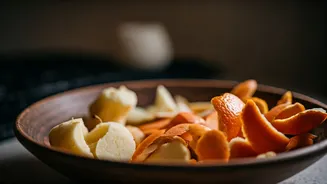
Forget spending money on harsh chemical sprays. Citrus peels—from oranges, lemons, grapefruits, and limes—are packed with limonene, a natural solvent and degreaser. To make your own all-purpose cleaner, stuff the peels of 2-3 citrus fruits into a large
glass jar. Pour plain white vinegar over them until they are completely submerged. Seal the jar and let it sit in a cool, dark place for two to three weeks, giving it a gentle shake every few days. The vinegar will draw out the oils and fresh scent from the peels. After it’s infused, strain the liquid into a spray bottle, dilute it with an equal amount of water, and you have a beautifully scented, effective cleaner for countertops, floors, and windows. Just be sure to use well-scrubbed peels, especially from non-organic fruit, to remove any wax or pesticide residue first.
2. Brew Aromatic Teas and Syrups
Some of the most flavorful parts of a fruit are in its skin. Apple peels, for instance, can be simmered with a cinnamon stick and a clove or two to create a comforting, zero-waste tea that’s perfect for a chilly evening. Simply add a handful of peels to a small pot with water, bring to a boil, then reduce the heat and let it simmer for 10-15 minutes before straining. You can also use this method to make a simple syrup. Just add an equal part of sugar to the water and apple peel mixture, simmer until the sugar dissolves and the liquid thickens slightly, then strain. This apple-infused syrup is fantastic drizzled over pancakes, yogurt, or cocktails.
3. Turn Watermelon Rinds into Pickles
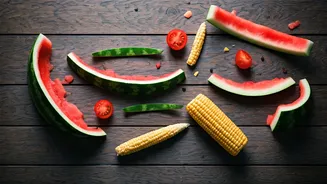
This old-fashioned trick is a brilliant way to extend the life of summer’s favorite fruit. The white part of the watermelon rind, often discarded, has a crisp texture similar to a cucumber, making it perfect for pickling. Start by peeling off the tough, green outer skin and cutting the white rind into one-inch cubes. You'll need to create a simple pickling brine, typically a mix of vinegar, water, sugar, and spices like cloves, cinnamon, and allspice. After simmering the rinds in salted water to soften them, you'll transfer them to the hot brine. Once canned or stored in the refrigerator, they transform into a sweet, tangy, and surprisingly delicious condiment that pairs well with savory dishes or charcuterie boards.
4. Feed Your Garden (and Houseplants)
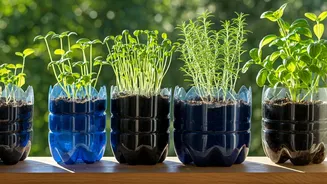
Banana peels are famously rich in potassium, phosphorus, and calcium—all essential nutrients for healthy plant growth. Instead of throwing them out, you can put them to work in your garden. The simplest method is to chop the peels into small pieces and bury them an inch or two deep in the soil around your plants, whether in a garden bed or a houseplant pot. As the peels decompose, they release these valuable nutrients directly to the roots. Another popular method is to create a “banana peel tea.” Just soak a few peels in a jar of water for a couple of days. The water will become a nutrient-rich liquid fertilizer that you can use to water your plants.
5. Infuse Sugar, Salt, and Oil
The zest from citrus peels is a potent source of flavor that can easily be preserved. Before you juice a lemon or eat an orange, use a microplane or vegetable peeler to remove the colorful outer layer, avoiding the bitter white pith underneath. You can dry these strips of zest on a plate for a few days and store them in an airtight container to add a pop of flavor to future recipes. Alternatively, mix fresh zest directly into a jar of granulated sugar or coarse salt. Let it sit for a week, shaking occasionally, and you'll have a custom-flavored finishing ingredient for rimming cocktail glasses or sprinkling over roasted vegetables. You can also drop clean, dry citrus peels into a bottle of olive oil to create a bright, infused oil for salad dressings.