





From Fear-Casting to Forecasting
For generations, travel planning involved a degree of weather-related guesswork. You’d pick a destination for its sunny reputation, cross your fingers, and pack a poncho, just in case. A rainy week meant canceled hikes, dreary beach days, and a general
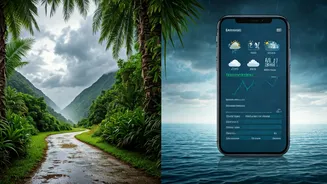
sense of disappointment. The risk was that your entire investment of time and money could be washed out. Today, we’ve moved from this binary model of success or failure into an era of granular control. The difference isn't that we can stop the rain; it's that we have unprecedented access to data that allows us to anticipate, understand, and plan around it. This new approach transforms weather from an unpredictable threat into just another variable to be managed, making your trip far less risky and much more resilient.
The Pre-Trip Intelligence Report
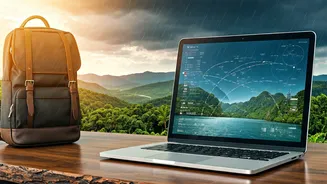
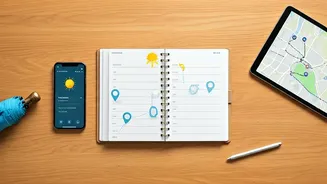
Smart, data-driven travel begins long before you pack your bags. Instead of just searching for “best time to visit,” you can go deeper. Websites for the National Oceanic and Atmospheric Administration (NOAA) and other climate data portals offer historical weather information for countless locations. With a few clicks, you can see average monthly rainfall, temperature ranges, and sunshine hours going back decades. This isn't about finding a month with zero historical rainfall. It’s about setting realistic expectations. If you see that your dream destination in Southeast Asia gets 15 inches of rain during your planned trip in July, you know to build your itinerary around potential downpours. This data helps you choose your dates more wisely or, if your dates are fixed, helps you pack and plan for the reality you’re likely to face. It’s the difference between being surprised by a monsoon and being prepared for it.
Your On-the-Ground Tech Arsenal
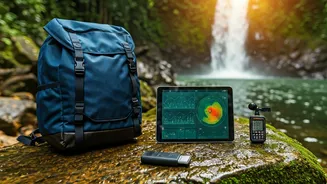
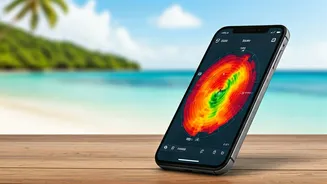
Once you’re on the trip, your smartphone becomes your command center for navigating the elements. The key is to move beyond the basic weather app that came with your phone. Look for apps that offer “hyper-local” or “minute-by-minute” precipitation forecasts. Services like Apple’s Weather app (which integrated the popular Dark Sky technology) or AccuWeather’s MinuteCast can tell you with surprising accuracy that rain will start in 12 minutes and last for 25 minutes. This level of detail is a game-changer. It’s the difference between getting soaked while walking to dinner and deciding to wait in the cafe for 15 more minutes until the shower passes. This data allows for surgical strikes of activity, letting you dash between museums, shops, and restaurants during dry spells.
Making the Data-Driven Pivot
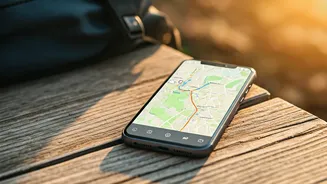
The most powerful aspect of data-driven travel isn't just avoiding rain—it's optimizing your time when the weather turns. A rainy afternoon used to mean being stuck in a hotel room. Now, it’s an opportunity for a strategic pivot. A quick check of Google Maps’ “Popular Times” feature can tell you if the city’s main art museum is unusually quiet because of the downpour, offering a chance to see masterpieces without the crowds. Similarly, apps like GetYourGuide or Klook can surface last-minute tickets for indoor activities, from a cooking class to a concert. If your plan was to hike a coastal trail, a rainy forecast could prompt you to book a spot at a local distillery tour you didn't know existed. The data doesn’t just tell you what you *can’t* do; it actively helps you discover what you *can* do, turning a potential disaster into a spontaneous adventure.