





What Is Energy-Based Eating?
At its core, energy-based eating is a mindset shift. Instead of focusing on calories, carbs, or fat grams, it prioritizes how different foods affect your personal energy levels, mood, and overall vitality. It’s a form of intuitive eating that encourages
you to become an expert on your own body. Think of it less as a diet with strict rules and more as a conversation with yourself. Did that lunch leave you feeling sluggish and ready for a nap, or did it power you through the afternoon? The goal is to consciously choose foods that make you feel sustained, vibrant, and mentally clear, while minimizing those that lead to crashes, brain fog, or digestive discomfort.
A Reaction to Restrictive Diet Culture
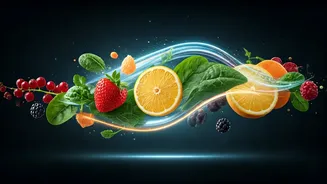
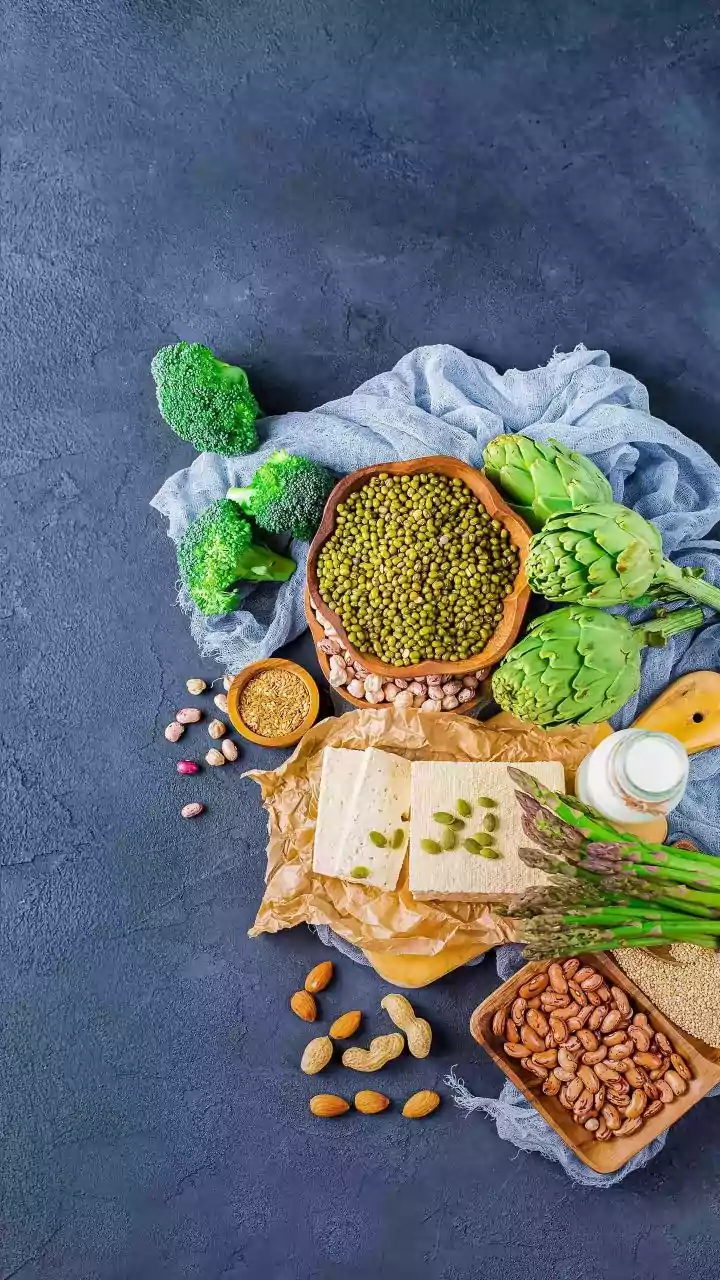
The rise of energy-based eating isn’t happening in a vacuum. For decades, wellness culture has been dominated by deprivation: low-fat, low-carb, intermittent fasting, and endless lists of “bad” foods. This has left many people feeling exhausted, guilty, and disconnected from their body’s natural signals. Energy-based eating offers a refreshing alternative. It’s rooted in abundance, not restriction. The focus is on what you can *add* to your plate to feel better—more fiber-rich vegetables, more lean protein, more healthy fats—rather than what you must take away. This positive framing helps rebuild a healthier relationship with food, moving away from a punitive mindset toward one of self-care and nourishment.
Tuning In to Your Body’s Cues
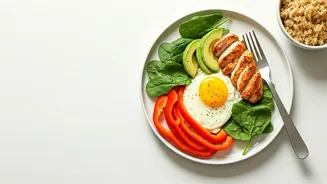
The “habit” part of this lifestyle is learning to listen. Our bodies are constantly sending us feedback. The challenge is that modern life, with its constant distractions and processed foods, can drown out those signals. Practicing energy-based eating means paying closer attention. Start by noticing how you feel 30 to 60 minutes after a meal. Are you energized or lethargic? Is your mind sharp or foggy? Do you feel satisfied or are you already craving sugar? There are no universal “good” or “bad” foods here; a bowl of oatmeal might be the perfect slow-burn fuel for one person, while another might feel better with eggs and avocado. It’s a deeply personal process of trial, observation, and adjustment.
Understanding Your Fuel Sources
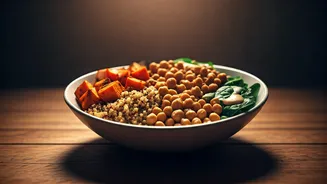
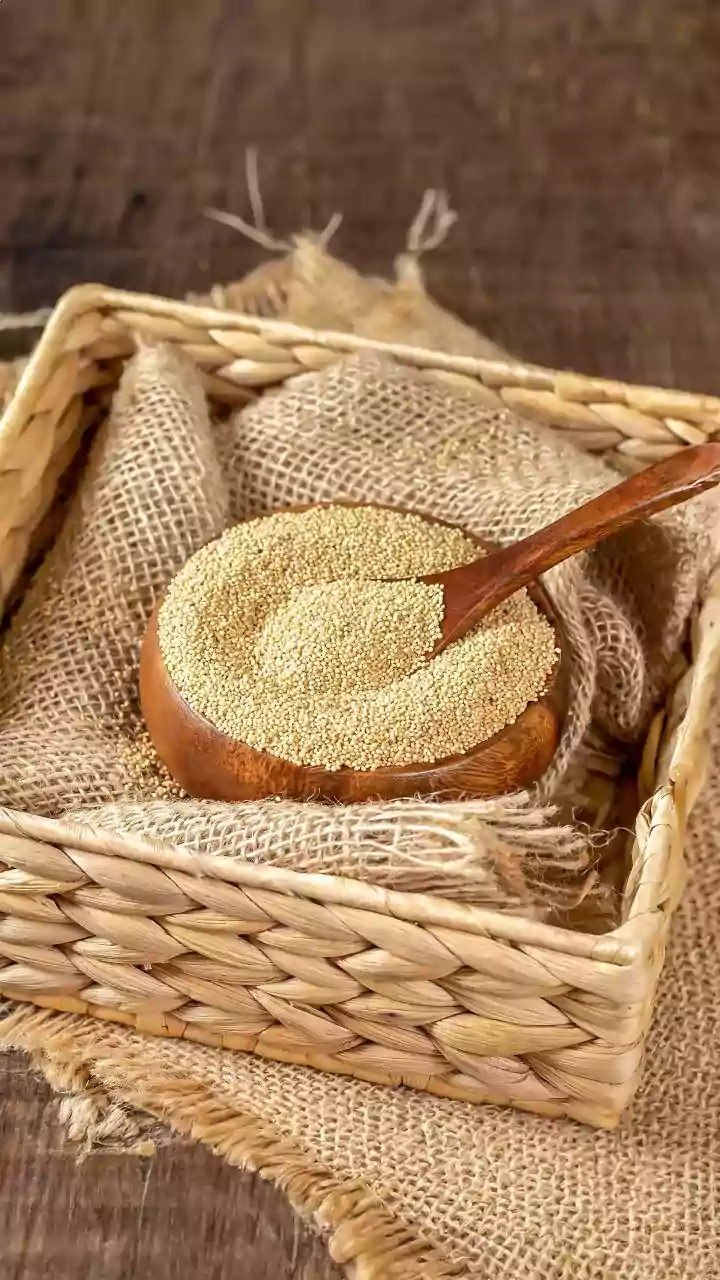
While the approach is intuitive, it’s helpful to understand some nutritional basics. Think of your body like a car that requires different types of fuel for different tasks. Simple carbohydrates (like white bread or sugary snacks) act like a quick burst of gasoline—they give you a fast spike of energy followed by a crash. Complex carbohydrates (like quinoa, sweet potatoes, and whole grains), protein, and healthy fats are more like slow-burning logs in a fire. They provide sustained, steady energy that keeps you going for hours. An energy-based approach often means building meals around these slow-burn foods—a foundation of protein, fiber, and healthy fat—and using quick-energy foods more strategically, like before a workout.
Simple Ways to Get Started
Adopting this lifestyle doesn't require a dramatic overhaul. Start small. For one week, keep a simple food-and-feeling journal. Jot down what you ate and a word or two about your energy level an hour later. No judgment, just observation. Another easy step is to focus on your next meal. Ask yourself, “What does my body need right now to feel good for the next few hours?” Maybe it's a hearty salad with grilled chicken for focus, or a warm soup for comfort and hydration. By making small, conscious choices one meal at a time, you slowly build the intuitive muscle needed to make energy-based eating a sustainable, lifelong habit.