
1. Paint with Your Food
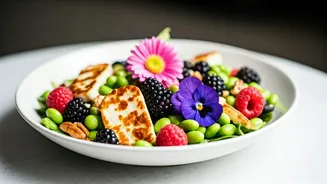
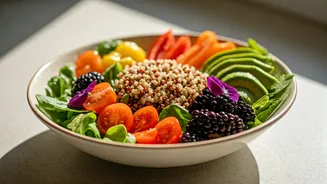
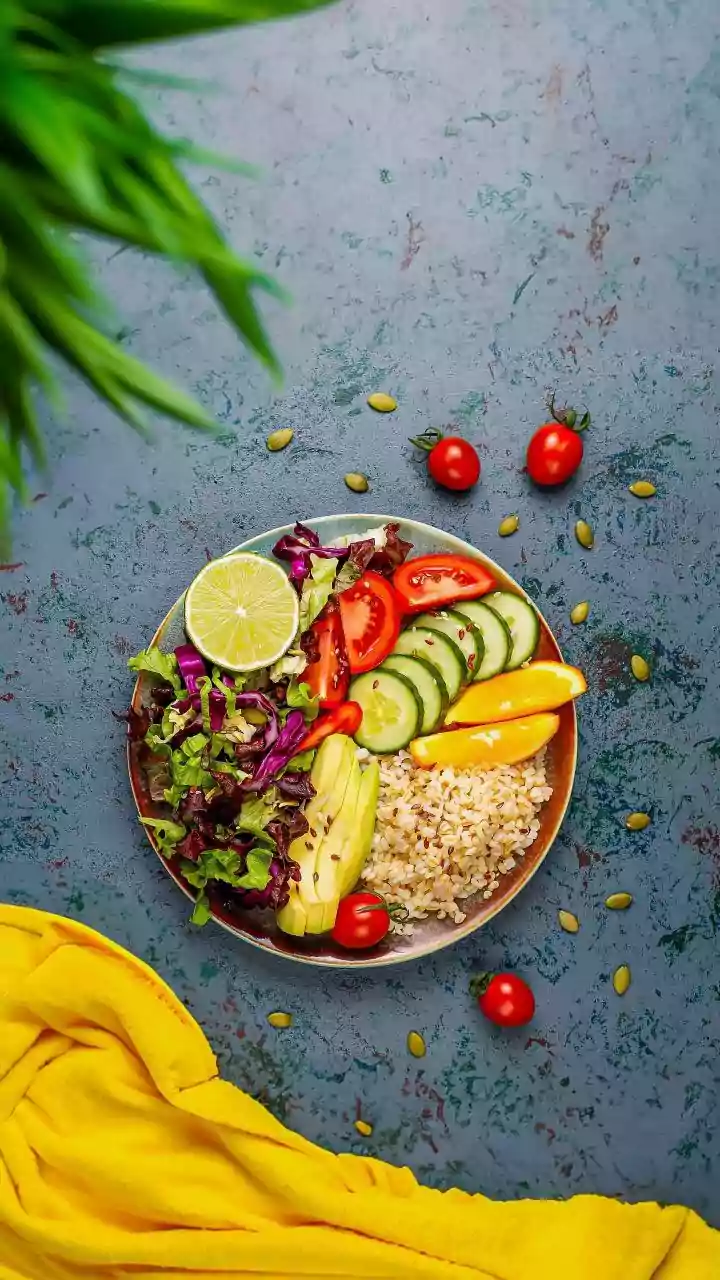
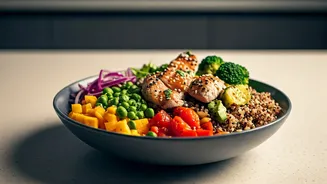
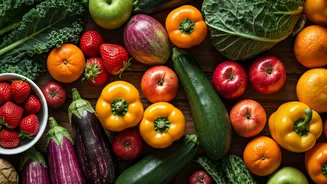
The fastest way to elevate a plate is with color. Nutritionists know that a vibrant plate isn’t just more appealing to the eye; it's also a sign of a nutrient-diverse meal. Think beyond a pale chicken breast next to white rice. Actively seek out color. Add
roasted red peppers to your eggs, toss a handful of purple cabbage into your salad, or top your oatmeal with bright red berries and green pumpkin seeds. The goal is to create a visual feast. A plate with three or more distinct colors—like the green of broccoli, the orange of sweet potato, and the deep red of beets—naturally feels more special and intentional than a monochrome one.
2. Master the Drizzle and Dollop
A thoughtfully applied sauce can transform a dish from basic to boutique. Instead of drenching your food, nutritionists use sauces as a finishing touch. The key is a simple, healthy dressing that adds a pop of flavor and a professional look. A classic technique is the 'swoosh'—placing a spoonful of a puree (like beet hummus, Greek yogurt, or sweet potato mash) on the plate and dragging the back of the spoon through it to create an elegant curve. For thinner sauces, like a lemon-tahini dressing or a quality balsamic glaze, a zigzag drizzle across the top of your protein or roasted vegetables adds instant visual drama and distributes flavor evenly.
3. Add a Textural 'Wow' Factor
A meal that feels fancy engages more than just your taste buds. Texture is a crucial, often-overlooked component. A bowl of creamy soup or a smooth yogurt parfait becomes infinitely more interesting with a crunchy counterpoint. Nutritionists often finish their plates with a sprinkle of something that adds texture. Think toasted nuts and seeds (almonds, walnuts, sesame seeds), crispy roasted chickpeas, a spoonful of crunchy granola, or even a few homemade whole-wheat breadcrumbs toasted in olive oil. This small addition provides a satisfying contrast in every bite and signals that the dish was crafted with care.
4. Use Fresh Herbs as a Final Flourish
Forget the dusty jar of dried parsley. Fresh herbs are one of the most effective tools for making a simple meal feel luxurious. A small handful of chopped cilantro, dill, mint, or basil scattered over the finished plate does three things at once: it adds a vibrant pop of green, introduces a fresh aroma that enhances the perception of flavor, and provides a burst of bright, clean taste. It’s the difference between a bowl of tomato soup and a bowl of tomato soup finished with fresh basil and a drizzle of olive oil. One is sustenance; the other is an experience.
5. Give Your Ingredients Space to Shine
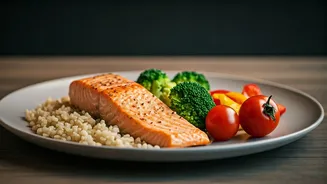
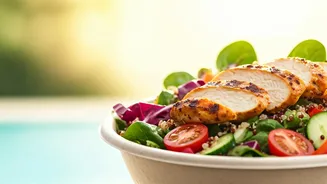
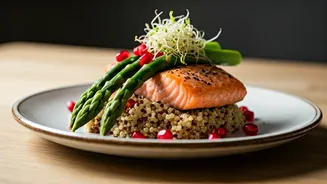
Overcrowding is the enemy of an elegant plate. Instead of piling everything into a heap in the center, think like a restaurant chef and use negative space. Choose a plate that’s slightly larger than you think you need. This gives you room to arrange the components thoughtfully. Lean your sliced chicken or fish against a mound of quinoa, fan out avocado slices next to your eggs, or arrange roasted vegetables in a neat cluster rather than a scattered pile. This technique allows each ingredient to be seen and appreciated, making the entire meal feel more deliberate and less like it was just scooped out of a pot.