



1. It’s All About Indoor-Outdoor Flow
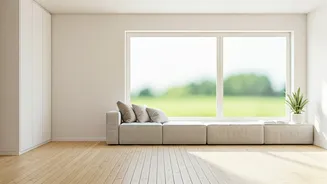
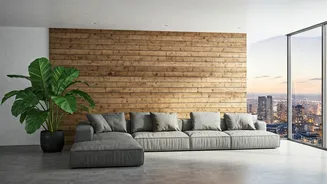
The biggest trick to making a small space feel expansive is to erase the boundary between inside and out. Today’s best compact home designs aren't just boxes with windows; they are porous structures that invite the landscape in. We’re seeing a surge in floor-to-ceiling
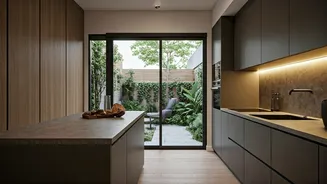
glass walls, massive sliding or bifold doors that pocket completely into the walls, and decks or patios designed as true extensions of the living room. When your 400-square-foot living area can seamlessly merge with a 200-square-foot deck, your usable space—and your perception of it—grows exponentially. This isn't just about a view; it's about creating a fluid, breathable environment that feels liberating, not limiting.
2. High-End Materials Go a Long Way
Here’s the beautiful math of small-space design: when you have fewer square feet to cover, you can afford to be extravagant with your material choices. That Carrara marble countertop or wall of custom-milled white oak that would bankrupt you in a 3,000-square-foot house becomes an attainable luxury in a 600-square-foot ADU (Accessory Dwelling Unit). Designers are leaning into this, using jewel-box logic to pack a punch. Think brass fixtures, designer tile in the bathroom, and rich hardwood floors throughout. These high-end finishes elevate the entire experience, making the home feel curated and bespoke rather than cobbled together on a budget.
3. The Rise of “Transformer” Spaces
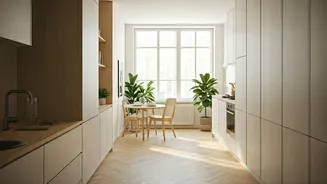
The key to functional small living is making every square inch work overtime. Enter the era of “transformer” furniture and architectural elements. This goes far beyond a simple Murphy bed. Modern compact homes feature ingenious, custom-built millwork where a desk folds out of a wall, a dining table slides out from a kitchen island, or an entire bedroom is hidden behind sleek, paneled doors. These aren't clunky, awkward contraptions; they are elegant, seamless systems that allow a single room to serve three or four different functions throughout the day. It’s less about hiding clutter and more about transforming the purpose of the space with effortless grace.
4. An Obsession with Light and Volume
While floor space is limited, vertical space is a secret weapon. Architects are ditching flat eight-foot ceilings in favor of vaulted ceilings that draw the eye upward and create a sense of airy volume. Clerestory windows—high, horizontal strips of glass—and strategically placed skylights are becoming standard, flooding interiors with natural light without sacrificing privacy or valuable wall space. By focusing on the quality of light and the feeling of height, designers can make a compact footprint feel psychologically vast, bright, and uplifting.
5. Smart Tech That Actually Helps
In a compact home, smart technology isn’t a gimmick; it’s a core component of livability. We’re not just talking about asking Alexa to play a song. Integrated systems allow for minimalist design by eliminating the need for bulky controls and switches. A single app can control lighting schemes to define different “zones” in an open-plan space, manage climate control with maximum efficiency, and even operate automated blinds. Smart storage solutions, like motorized lifts for out-of-reach cabinets, maximize every cubic inch. This tech-forward approach helps maintain a clean, uncluttered aesthetic while making the home hyper-functional and responsive to its inhabitants' needs.
6. Biophilic Design is Built-In
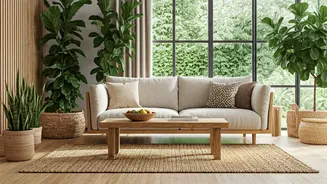
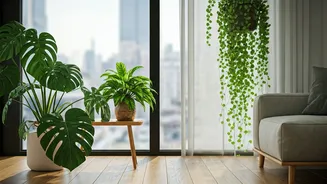
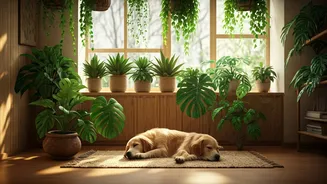
The new philosophy of compact living is deeply intertwined with a connection to nature, a concept known as biophilic design. This is more than just putting a potted plant in the corner. It's about integrating natural materials like wood and stone, designing around natural light patterns, and creating direct visual or physical access to greenery. We're seeing more homes designed with integrated planter boxes, small interior courtyards, and even living green walls. This focus on wellness and nature ensures that even in a small dwelling, the occupants feel a sense of calm and connection to the world outside, making the home a restorative sanctuary.