

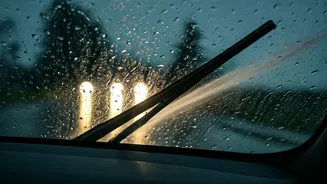


1. Refresh Your Wipers and Fluid
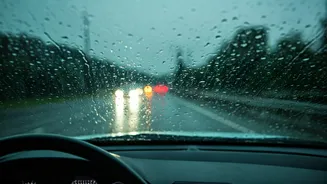
This is the single most important check. Intense desert sun degrades windshield wipers, making them brittle and ineffective. Replace them at the start of the season, even if they look okay. A cracked or stiff blade will just smear water, destroying visibility
in a sudden downpour. While you’re at it, top off your washer fluid. The mud and grime kicked up during a storm can blind you in seconds, and you’ll need plenty of fluid to clear it away.
2. Inspect Your Tires Thoroughly
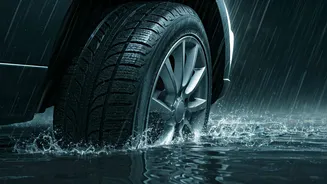
Wet roads are slick roads, and the risk of hydroplaning is significant during a monsoon deluge. Your tires are your only connection to the pavement. Check the tread depth using the simple penny test: place a penny upside down in the tread. If you can see all of Lincoln's head, your tires are worn and need replacement. Also, check your tire pressure. Properly inflated tires displace water more effectively, providing better grip when you need it most. Check the recommended PSI on the sticker inside your driver's side door jamb, not on the tire itself.
3. Test All Exterior Lights
Visibility drops to near zero in a haboob (dust storm) or a heavy downpour. It’s crucial that other drivers can see you. With a helper, walk around your car and test your headlights (both low and high beams), taillights, brake lights, and turn signals. A single burnt-out bulb can make you dangerously invisible. A clean lens is just as important as a working bulb, so wipe down your light covers to remove the layer of dust that inevitably accumulates.
4. Check Your Seals and Weatherstripping
A small leak can lead to big problems like mold, mildew, and damaged electronics. The same sun that destroys your wipers also bakes the rubber seals around your doors, windows, and sunroof. Visually inspect them for cracks or stiffness. A simple way to test for leaks is to have a friend run a garden hose over the car (not a pressure washer) while you sit inside, checking for any water intrusion along the doors and dashboard. A good auto parts store will sell conditioning products to keep seals pliable.
5. Assemble a Monsoon Emergency Kit
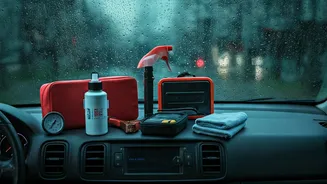
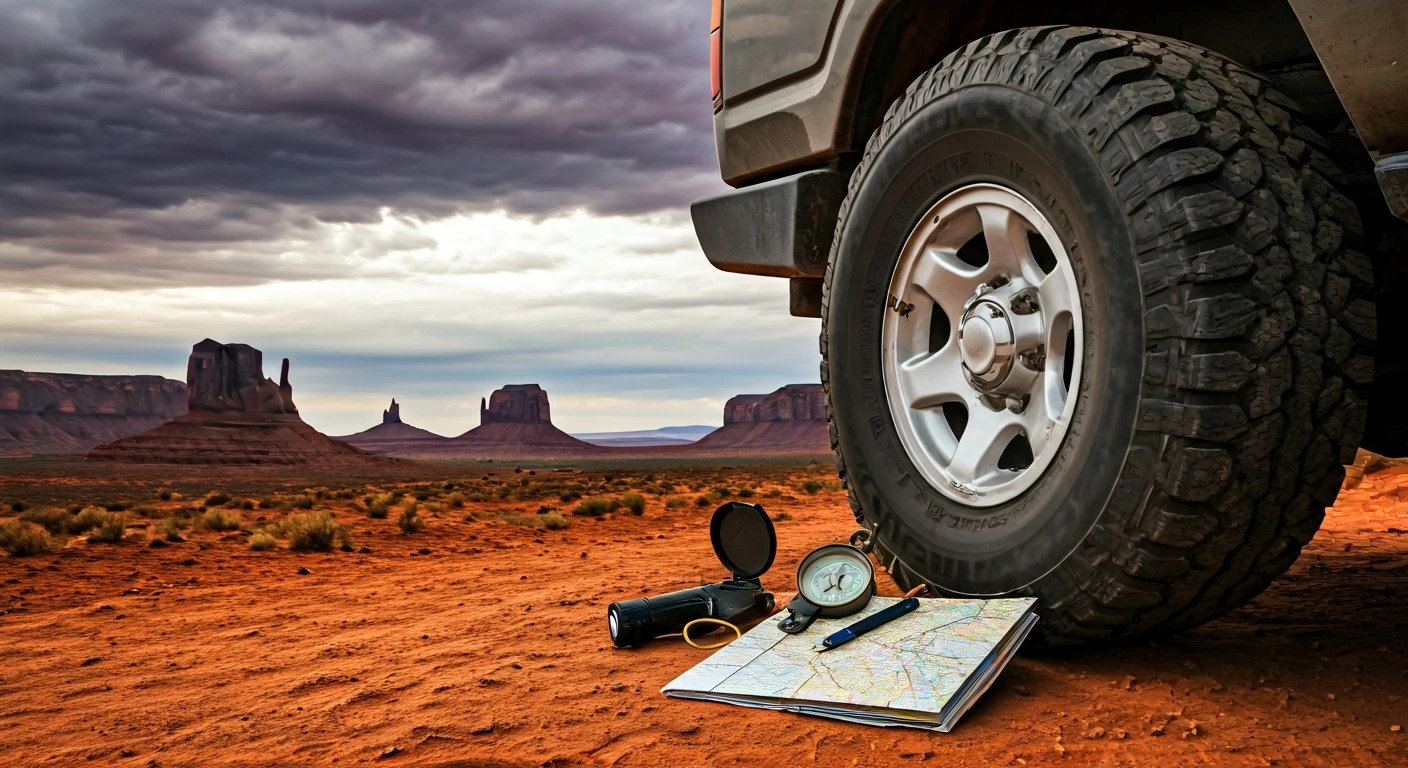
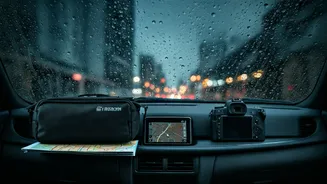
If you get stranded, you’ll be glad you have a dedicated kit. In addition to a standard car emergency kit, add monsoon-specific items. Include a flashlight with extra batteries, a portable phone charger or power bank, non-perishable snacks, and several bottles of water. A first-aid kit, reflective triangles, and jumper cables are also essential. Consider adding a blanket for warmth, as temperatures can drop quickly during a storm.
6. Plan Your Route and Avoid Floods
The most important monsoon driving tip has nothing to do with your car’s mechanics: Turn Around, Don’t Drown. It only takes six inches of moving water to knock you off your feet, and just a foot of water can float many vehicles. Never drive into a flooded wash or underpass. The water is often deeper and faster-moving than it appears. Before you leave, check weather alerts and traffic apps for road closures. If you encounter a flooded area, find an alternate route. It’s not worth the risk.
7. Prepare for Dust and Debris
Haboobs can appear with little warning, creating a wall of dust that engulfs highways. If you see one approaching, pull over as far to the right as possible, turn off your lights, and take your foot off the brake. Keeping your lights on can confuse other drivers into following you off the road. Stay in your vehicle with the windows up and wait for the storm to pass. After a storm, check your engine air filter. A severe dust storm can clog it completely, choking your engine and reducing performance.
8. Perform a Post-Storm Check
After a significant storm, it’s wise to give your car a quick once-over. Look for any signs of water intrusion on the carpets or floor mats. Start the engine and listen for any sputtering or unusual noises, which could indicate water got into the engine. Check under the hood for debris like leaves or twigs that might have been blown into the engine bay. Finally, a good wash will remove the acidic rain and corrosive grime that can damage your paint over time.