
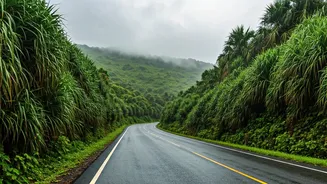
The Emerald Allure
For anyone who has only seen the bustling, sun-baked streets of Mumbai, the monsoon transformation of the surrounding state of Maharashtra is nothing short of miraculous. From June to September, the arrival of heavy rains breathes life into the Western
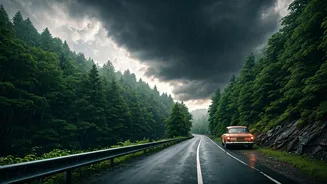
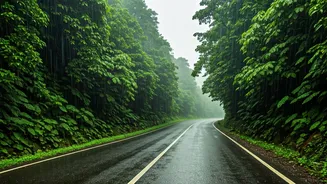
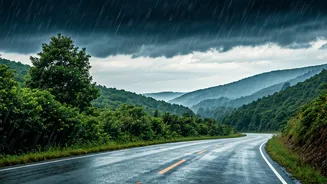
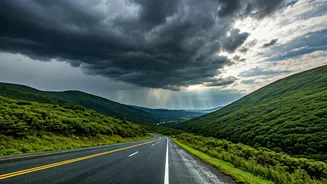
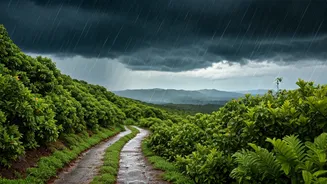
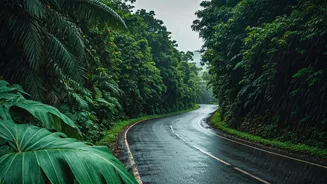
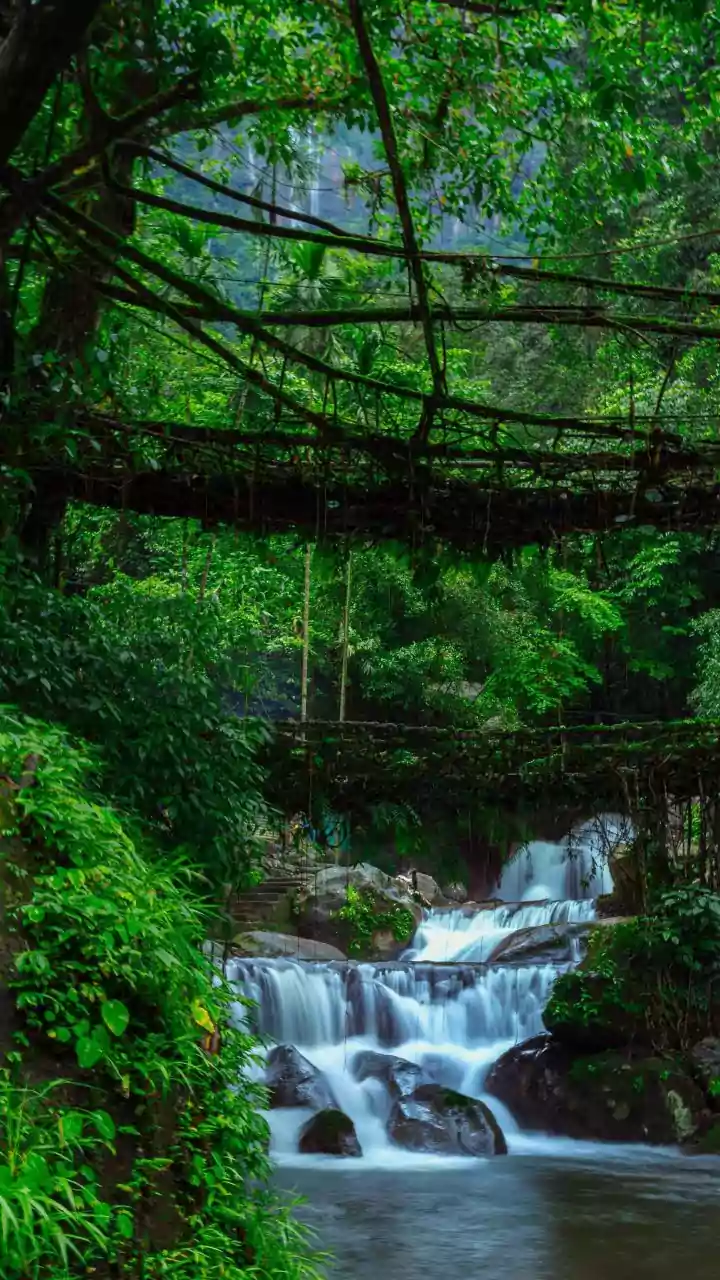
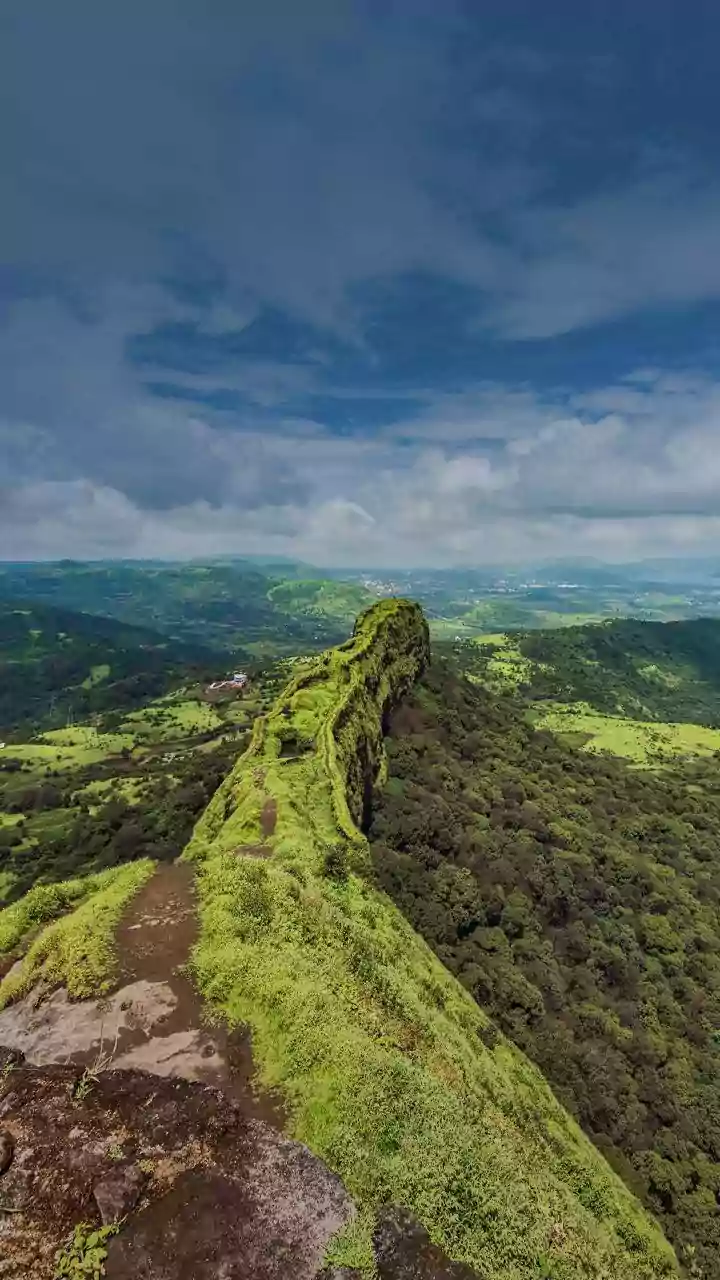
Ghats, a mountain range that runs parallel to the coast. Hillsides explode in a thousand shades of green, dormant waterfalls cascade down rocky cliffs, and a cool mist hangs in the air, offering a welcome respite from the oppressive pre-monsoon heat. Popular weekend destinations for city dwellers, such as Lonavala, Khandala, and the winding roads of Malshej Ghat, become prime spots for “monsoon tourism.” The appeal is simple: trading city noise for the sound of rain, and concrete jungles for actual, impossibly green ones.
The Reality of the Road
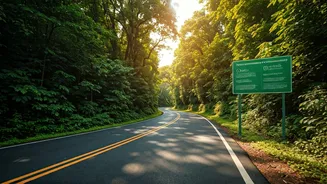
This is where the “patience” part of the journey kicks in. The same rains that create the beauty also create significant logistical hurdles. The main arteries leading out of major cities like Mumbai and Pune, particularly the Mumbai-Pune Expressway, can become choked with traffic. A trip that should take three hours can easily stretch to six, seven, or more as thousands of others have the exact same idea. Roads, especially in the hilly “ghat” sections, are prone to bottlenecks and slowdowns. You're not just in traffic; you're in a shared pilgrimage to see the waterfalls, and the journey itself becomes the first test of your resolve.
More Than Just Traffic
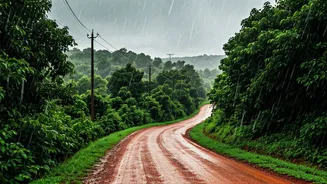
Patience isn’t just for bumper-to-bumper traffic. The intense downpours can lead to more serious issues. Landslides are a genuine risk in the mountainous regions, occasionally closing key roads for hours or even days. Localized flooding can submerge smaller roads, turning them into impassable streams. Train services, another popular mode of transport, can also face delays or cancellations due to waterlogging on the tracks. This isn't a theoretical problem; local authorities frequently issue travel advisories, and seasoned travelers know to check the news and weather reports obsessively before setting out. The stunning waterfall you’re driving to see might have a cousin currently washing over the road you need to take to get there.
How to Plan Smart
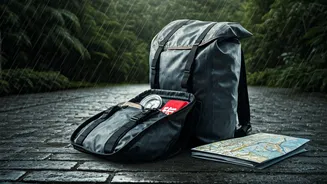
A successful monsoon getaway is all about managing expectations and planning ahead. First, if you can, travel on a weekday. The weekend rush is a predictable-yet-unavoidable phenomenon. Second, start early—well before the sun is up—to get ahead of the main wave of traffic. Pack for the conditions: quick-dry clothing, waterproof bags for electronics, and sturdy, non-slip footwear are non-negotiable. Forget the stylish sandals. Finally, have a flexible mindset. Your first-choice hotel might be inaccessible, or your planned hiking trail might be a muddy, slippery mess. Having a backup plan, or simply being content with enjoying the view from a safe and dry cafe, is key. This is a trip for embracing the moment, not for sticking to a rigid itinerary.